
Last updated November 21, 2026
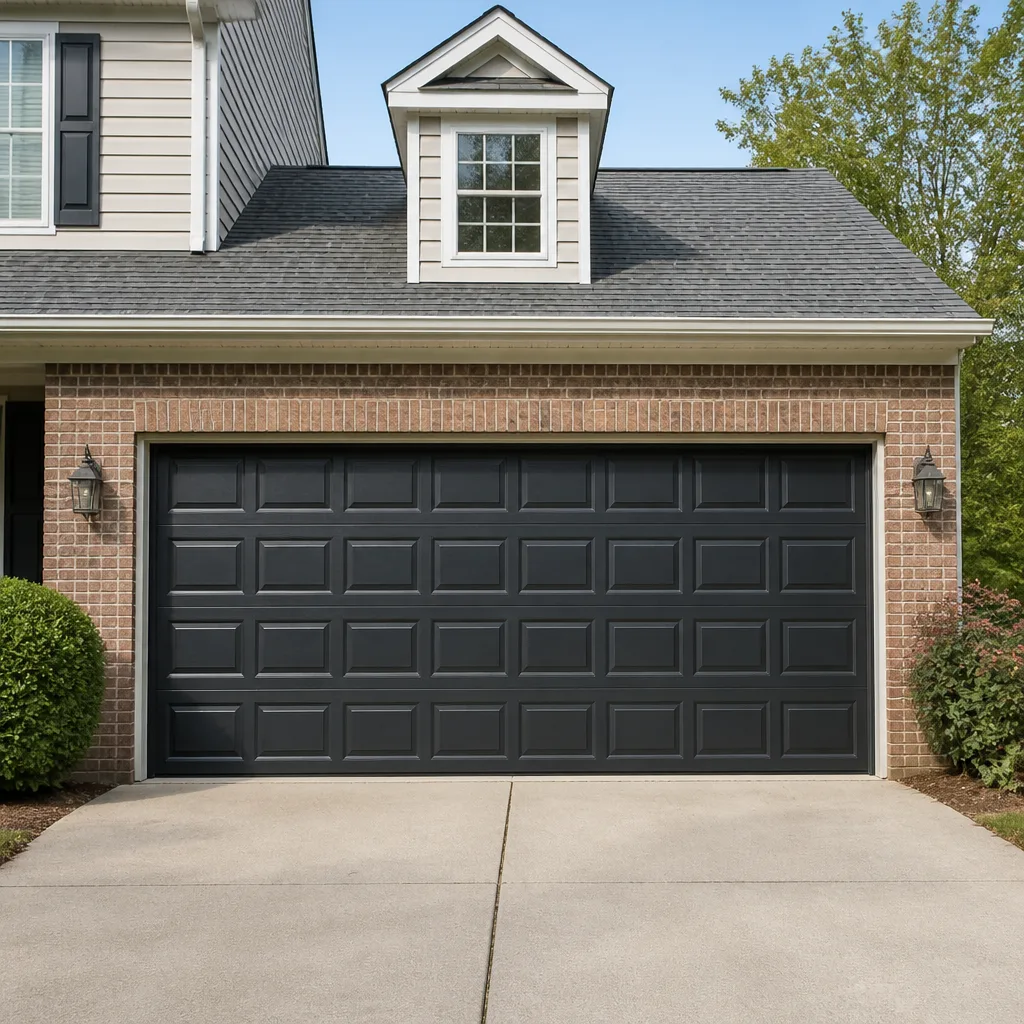 Raised-panel steel
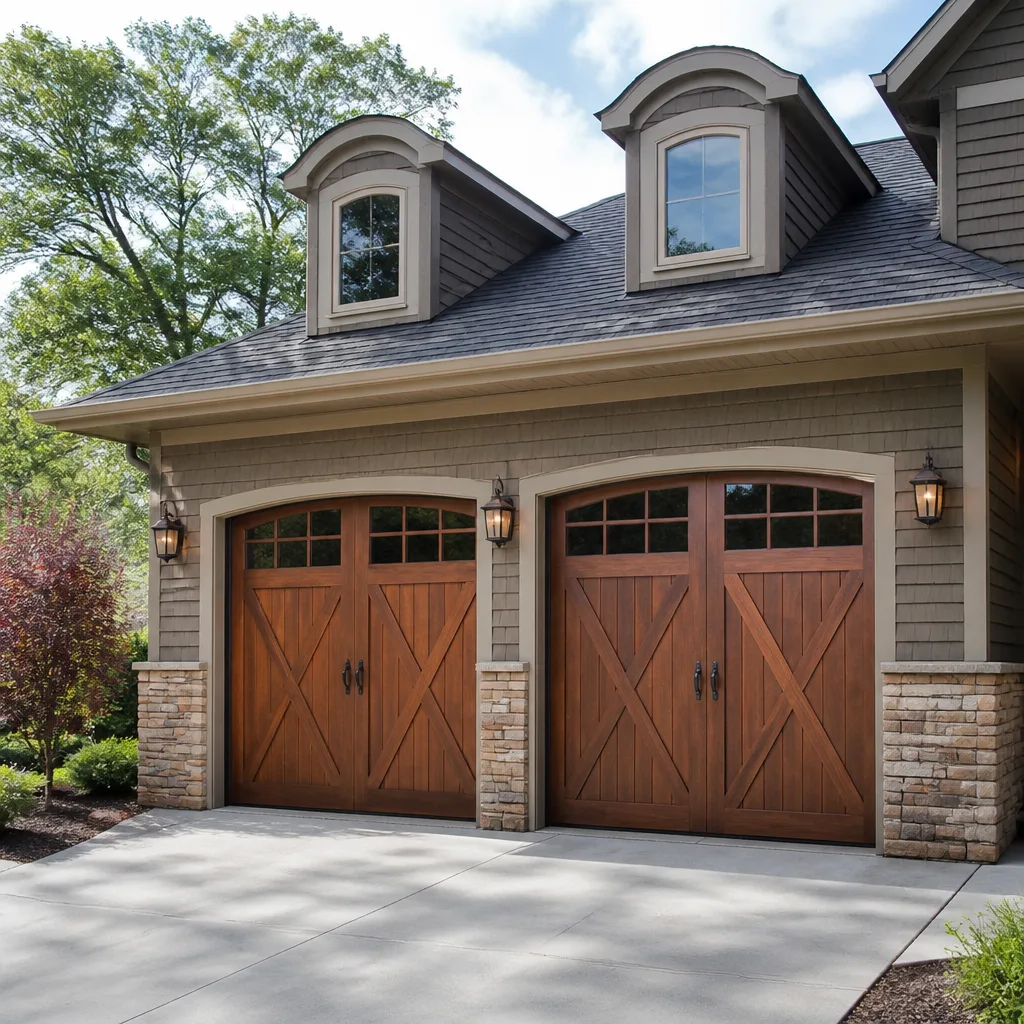 Carriage house
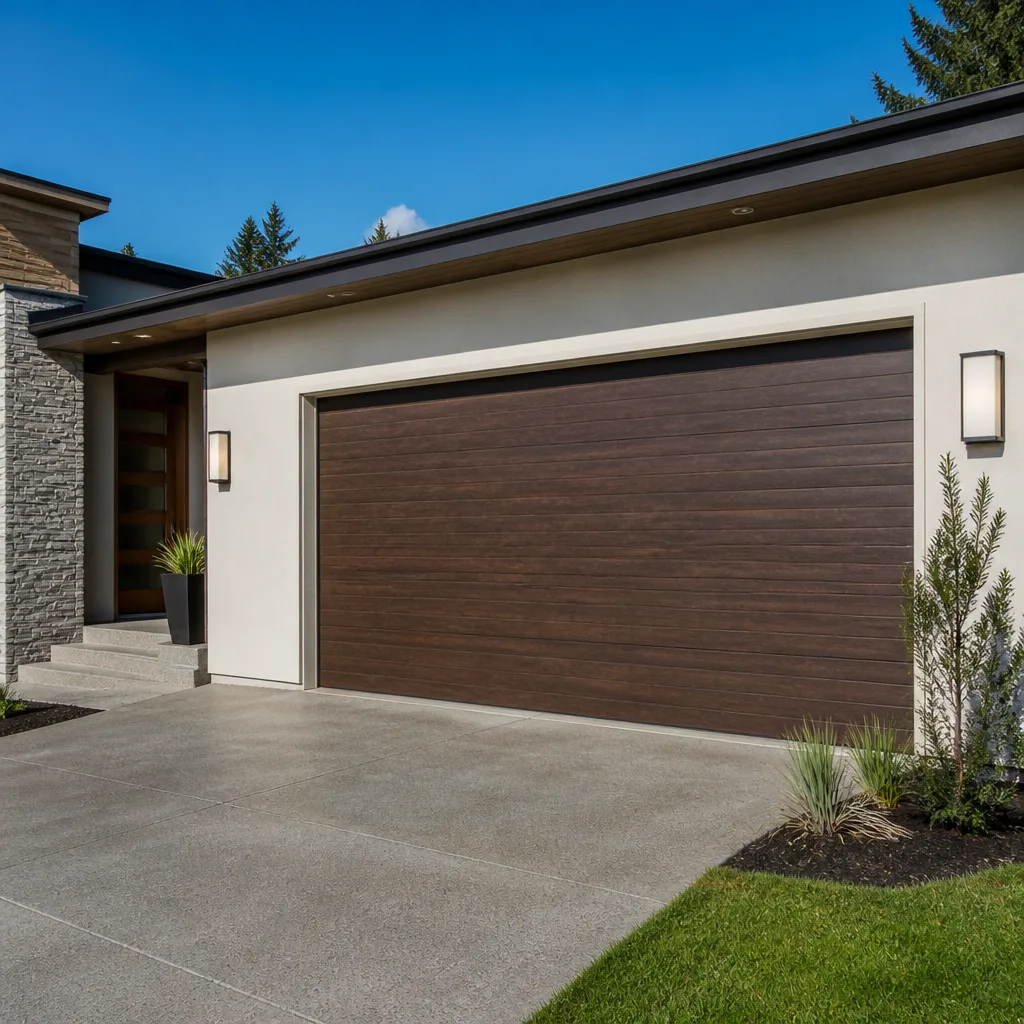 Modern flush
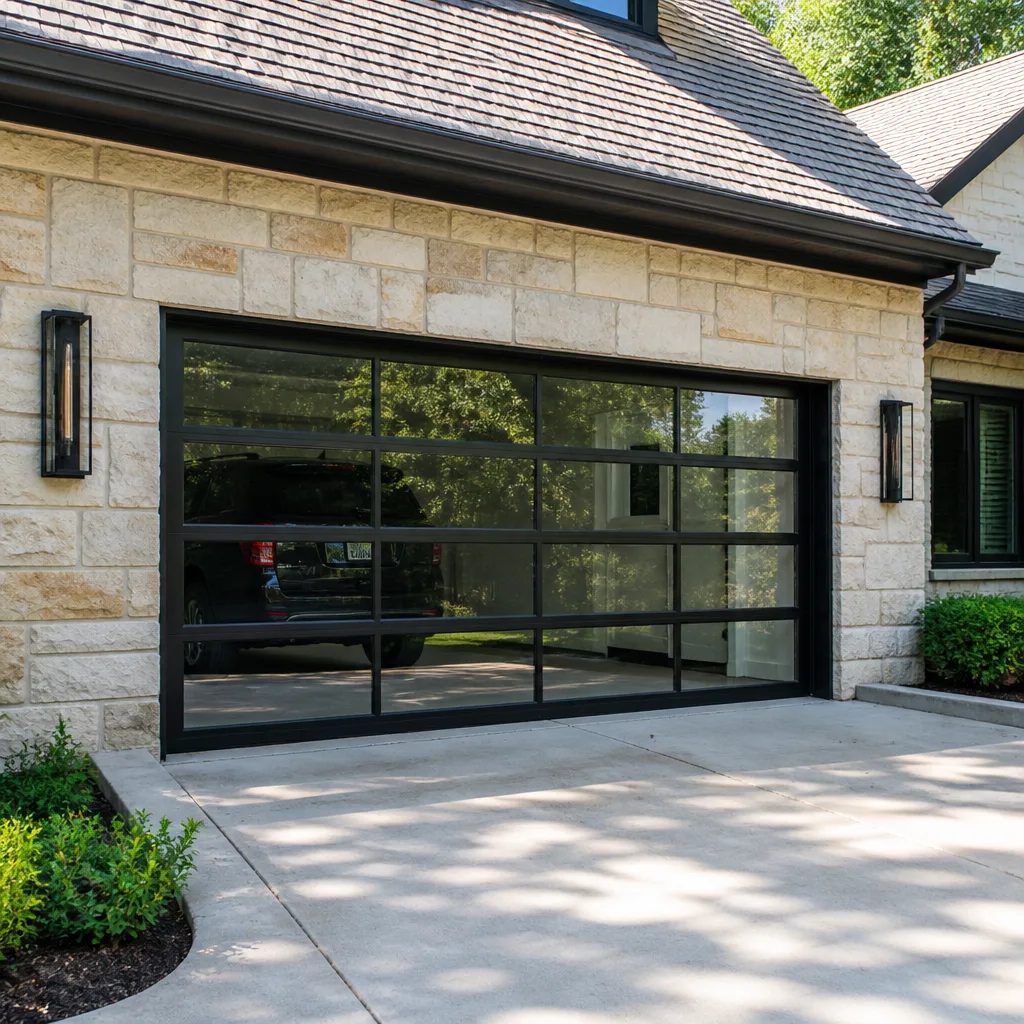 Full-view glass
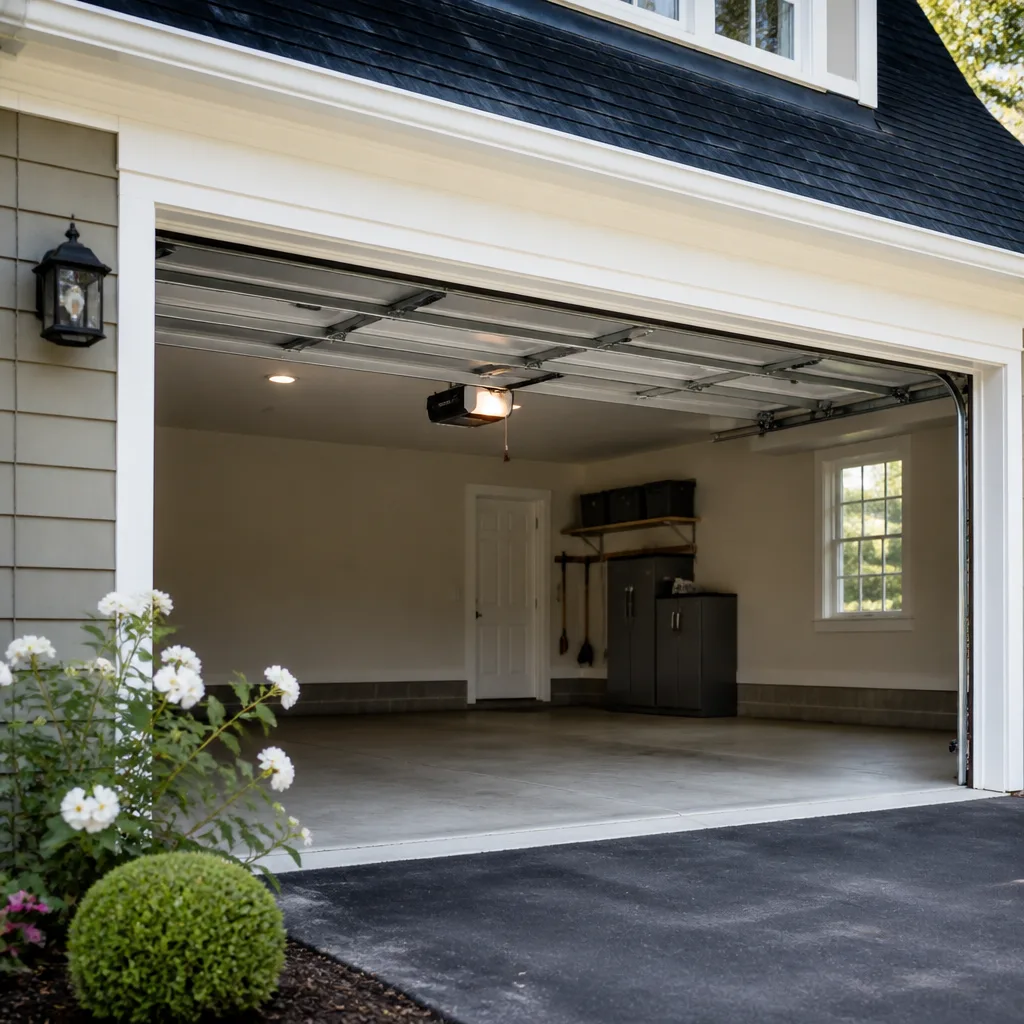 LiftMaster openers
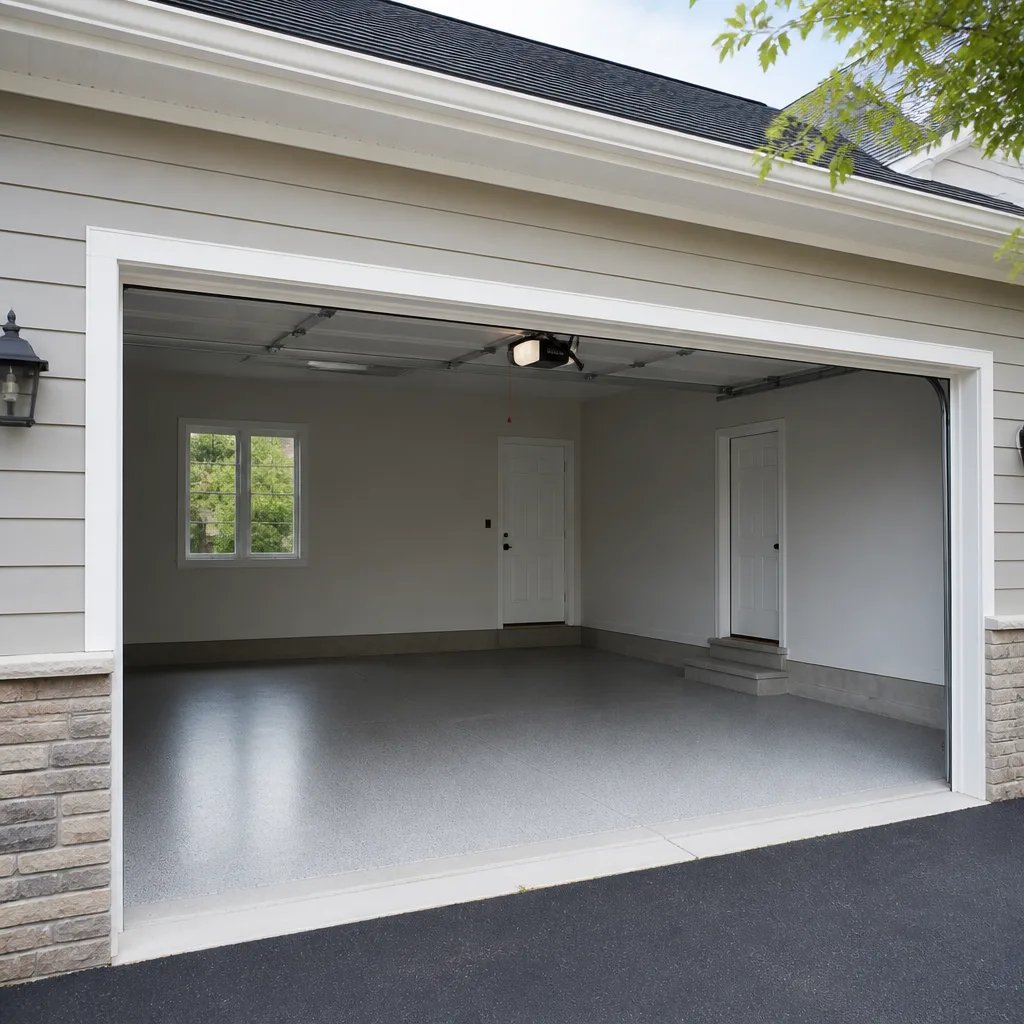 Chamberlain openers
Full 25-point door and opener safety check with every visit - springs, cables, rollers, tracks, and your LiftMaster or Chamberlain opener included
You get a price before we start. It does not change when the pro arrives.
Get your free estimateGarage Door Cost Breakdown: The Chesapeake Homeowner’s Reference for 2026
The $799 garage door installation you see advertised online almost never includes haul-away of the old door, new torsion hardware, or end-bearing plates. Add those line items back in and a standard single-car replacement in Chesapeake typically lands several hundred dollars above the headline number. That’s not a scam; it’s how quoted prices get built. The problem is that most homeowners compare a stripped-down ad price against a full-scope written estimate and assume the higher number is padded. Usually it’s the honest one. This guide breaks a real garage door project into its parts, with 2026 ranges for each, so you can tell which quote in front of you actually covers the work. You’ll also see why Chesapeake labor runs above the national median, and how to benchmark a quote against the Hampton Roads market instead of a national cost aggregator.
Quick Answer
A full single-car garage door replacement in Chesapeake runs roughly $1,400 to $2,600 installed, with most homeowners landing near $1,700 to $2,100 for a mid-range insulated steel door with a torsion spring setup. A basic double-car door installed typically falls between $2,200 and $4,200, and high-end carriage-house or full-view doors push well past $5,000. Quote totals vary more by scope than by brand. The written estimate you receive, not this range, sets the final price.
If you’re comparing numbers right now, our garage door installation page explains how we approach a full measure and quote. For an exact figure, call (877) 419-7485. We answer 24/7.
Styles & brands we work with
- Raised-panel steel
- Carriage house
- Modern flush
- Full-view glass
- LiftMaster openers
- Chamberlain openers
Table of Contents
- What a Real Chesapeake Door Replacement Actually Costs (Line by Line)
- Why Chesapeake Labor Runs Above the National Median
- Torsion vs. Extension Springs: Cost and 10-Year Ownership
- Opener Upgrade Tiers: Chain, Belt, and Jackshaft
- The Hidden Cost of Deferred Repair
- Repair and Service Cost Guide
- How to Read a Chesapeake Garage Door Quote
- Common Mistakes to Avoid
What a Real Chesapeake Door Replacement Actually Costs (Line by Line)
The gap between an ad price and a real invoice almost always comes down to scope. Here’s a quick-answer version: a standard single-car door replacement in Chesapeake includes six major cost components, not one. When you compare quotes, compare all six, or you’re comparing apples to a picture of an apple.
The components of a complete job:
- Door panel(s). The largest single line item. Single-car basic steel, $400 to $800. Mid-grade insulated, $700 to $1,300. High-end carriage house or full-view, $1,500 to $4,000+.
- Spring assembly. Torsion or extension. Torsion assembly including springs and hardware, $180 to $400 per door. Extension assemblies typically run slightly less upfront but carry higher long-term cost (see the springs section).
- Hardware kit. Track, rollers, hinges, bearings, cables, drums, brackets. $150 to $350 depending on door size and whether existing hardware is reusable.
- End-bearing plates. Often skipped in stripped-down quotes. Add $60 to $180 depending on whether the existing plates are sound or need replacing.
- Labor and installation. $400 to $800 for a standard single door. Double doors and complex carriage styles scale up. Includes adjustment, balance tuning, and opener reconnection.
- Haul-away and disposal. $75 to $200 to remove the old door and panels. Frequently listed as “customer responsible” in ad-priced quotes.
Permit costs vary. Most cities require a permit for structural changes to the garage opening; a straight door swap may or may not need one, so call the Chesapeake building department and ask directly. Do not accept a quote that assumes a permit isn’t necessary without confirming that with the city first.
Sample full-job total, single-car, mid-grade
Tally the midpoints of a typical mid-grade single-car project: door panel $950, spring assembly $280, hardware $240, bearings $120, labor $580, haul-away $130. That’s $2,300 installed, right in the middle of the Chesapeake range. Now look at that $799 ad price again. Every line item above costs money, and a scope-limited quote still owes it somewhere. When it appears later, that’s when the homeowner asks us why the invoice grew.
Why Chesapeake Labor Runs Above the National Median
Chesapeake labor rates for garage door installation typically run 10% to 20% above the national median for the trade. That’s an honest benchmark to hold your quote against; if a bid comes in dramatically below it, you should ask what’s missing rather than celebrate.
The reasons aren’t mysterious:
- Hampton Roads has a tighter skilled-trades pool than most inland metros of comparable size. The trade technicians who install and service garage doors are in steady demand here. Fewer qualified installers means the ones who do the work command a fair premium.
- Housing stock varies block to block. A Chesapeake neighborhood can run from 1980s subdivision construction to newer builds to older homes with retrofitted garages. Each one offers a different wall-opening condition, header style, and clearance profile. Installation time isn’t uniform, and labor estimates that assume uniformity are guesses.
- Year-round humidity and summer heat shorten the practical install window. A fitted door adjusts cleanly; a door installed against a swollen jamb is trouble six months later. Good installers plan for this. The time that takes is part of the labor line.
- Second trips cost more than the first. If a technician has to come back because a door was installed without proper spring balance or track shimming, that labor is absorbed somewhere. Fair Chesapeake installers price the job to be done once, properly.
To benchmark your quote against the local market rather than a national aggregator, ask three installers for the same scope in writing. That comparison tells you far more than a calculator based on national averages that never saw your garage.
Why the neighborhood matters
Garage openings in Great Bridge tend to sit on larger lots with wider driveways; openers there often carry heavier duty with more cycles per day. Homes closer to Greenbrier and Indian River include many older installs with extension spring systems still in service, and converting those to torsion during a full replacement changes the quote. In Deep Creek and Western Branch, the mix of newer subdivisions and established homes means door style and insulation choice vary sharply from block to block. Our technicians have up to 9 years of experience across these conditions, which is why we quote from a measure rather than a photo. Every estimate we produce is free and set by a written quote before any work begins.
Torsion vs. Extension Springs: Cost and 10-Year Ownership
Quick answer: torsion springs cost more to install upfront but are typically the better long-run choice. Extension springs are cheaper on day one and more expensive over a decade of use. Here’s the math, because it’s the part most comparisons skip.
Upfront install cost
- Torsion spring system (paired): $360 to $800 per door installed, depending on door weight and cycle-rated spring selection. Torsion systems mount on a shaft above the door and operate more quietly and smoothly.
- Extension spring system (paired): $260 to $520 per door installed. Extension springs run along the horizontal tracks on each side.
For a single spring repair, the Chesapeake range is $180 to $340. A matched pair should always be replaced together, so a pair costs about double that figure. Never accept a quote that lists one spring price and implies it covers both.
Ten-year total cost of ownership
Here’s why torsion usually wins over a decade:
- Cycle life. Torsion springs are generally rated for more open/close cycles than extension springs of comparable quality. A busy household opening the door four times a day uses over 14,000 cycles in a decade; extension springs wearing out ahead of that schedule means a spring replacement roughly twice in ten years, while torsion springs generally survive it. Multiply that against the per-spring repair cost and the upfront savings disappear.
- Safety factor. When an extension spring fails, it lets go along the track and can whip toward whatever is nearby. Torsion springs fail in place on the shaft. That matters on a Chesapeake attached garage where the car is typically parked directly behind the door.
- Balance and wear on other parts. Torsion-balanced doors put less stress on rollers, hinges, and the opener. That translates to a longer roller and hinge replacement window over ten years, which means a lower total parts bill.
Springs, cables, and brackets store enormous force. Adjustment or replacement of torsion springs is a job for a trained professional, not a weekend project, and we always recommend it stays that way. If you suspect a spring has failed, don’t touch the door; call our team for garage door repair. Call (877) 419-7485. We answer 24/7, with fast dispatch from 7am to 7pm, Sunday through Friday.
Opener Upgrade Tiers: Chain, Belt, and Jackshaft
Openers are one part of the system most homeowners overpay for or under-spec. The right answer depends on where the garage sits relative to the living space. Most Chesapeake garages are attached, which changes the noise equation.
There are three common upgrade tiers:
- Chain-drive: $280 to $480 installed. Loudest of the three. Durable and simple; good for a detached garage or a home where the bedroom isn’t above the garage. Best budget choice when noise isn’t a factor.
- Belt-drive: $380 to $680 installed. Noticeably quieter than chain. The standard recommendation for attached garages where the door sits under a bedroom or adjacent to living space. Most homeowners replacing a 15-plus-year-old chain unit with a belt drive notice the difference immediately.
- Jackshaft: $650 to $1,100+ installed. Mounts on the side wall next to the torsion shaft rather than overhead, freeing ceiling space and eliminating the rail entirely. Quieter than belt in most installs. Good for high-lift or vaulted ceiling installs where a standard rail would be awkward.
Smart features and connectivity add cost inside each tier. If you’re replacing a Craftsman or Raynor opener and want app control, ask specifically what the current model offers before assuming an upgrade is needed. We work on LiftMaster, Chamberlain, Genie, Clopay, Amarr, Wayne Dalton, Craftsman, and Raynor, so the technician diagnosing your opener already knows its parts and typical failure points.
For an exact quote on an opener upgrade, our garage door opener repair page covers the repair path if the existing unit is worth keeping, and the install path if it isn’t. Call for a free estimate; pricing is set by the written quote before work starts.
The Hidden Cost of Deferred Repair
Deferred repair is where budgets quietly spiral. The clearest way to see it is to walk through a cost-escalation path most homeowners don’t see coming.
Start with a single worn roller. Replacement is $180 for a matched set installed, and it’s a small job most homeowners put off because the door still works. Six months later, that worn roller has started pulling the door out of alignment, and the door is binding against the track on the way down. Now you’re looking at track and hinge replacement: $650 for a single door. The $180 repair was a small bill; the $650 replacement is a medium one. Same failure, six months apart.
Here’s why the escalation happens, and it’s not a scare tactic:
- Rollers carry weight. A worn roller doesn’t glide; it drags. The drag pulls the door slightly off-track with every cycle.
- Track alignment degrades quietly. A binding door doesn’t need to be visibly off-track to be misaligned. The panels themselves look fine while the hardware underneath is being worn down.
- Hinges take the load. As the door works harder against resistance, the hinges absorb more strain. Hinge fatigue is progressive.
- The opener pays the price. A door that binds under load puts extra strain on the opener motor and rail. What was a $180 roller job can become a $650 track job and, from there, an opener replacement as well.
The pattern is real and predictable in Chesapeake. In our experience, most “sudden” hardware failures on a garage door started as a wear item that was noticed and not addressed. A $180 early repair is cheap; the deferred path adds up. We flag this for homeowners not to upsell, but because it’s the deterministic result of the way the hardware works.
What counts as “worn”
Rollers should feel smooth and roll without wobble. Hinges shouldn’t be visibly bowed or rusted at the pivot. The door should close without binding and travel without needing extra force to get going. If any of those is off, get it looked at before something else fails secondary to it.
Repair and Service Cost Guide
Quick answer: repair costs in Chesapeake are typically $120 to $650 per job depending on the component. Below is the 2026 range guide for the common jobs we see. Every price is an estimate; the written quote is final.
Spring repair
- Single torsion spring replacement: $180 to $340
- Matched pair of torsion springs: about twice the single figure
- Extension spring replacement (pair): $180 to $320
Cable, roller, and track
- Cable replacement (pair): $180 to $320
- Roller replacement (full set): $120 to $250
- Track replacement (single door): $400 to $850
Opener repair
- Logic board replacement: $220 to $420
- Gear and sprocket kit: $180 to $360
- Safety sensor alignment: $90 to $160
- Remote and keypad programming: $60 to $130
Panel and door repairs
- Single steel panel replacement: $280 to $650
- Dent and dent removal: $90 to $250
- Weather seal replacement: $130 to $260
Speed matters on repair topics for a reason: a garage door stuck open is a security problem. Same-day service is available on most repair calls. When it’s an active spring failure or opener lock-up, we treat it as an emergency and dispatch accordingly. Same-day service on our Chesapeake Garage Door Repair Experts line is a real capability, not a marketing line. Call (877) 419-7485. We answer 24/7. Fast dispatch from 7am to 7pm, Sunday through Friday; a call outside dispatch hours is booked into the next opening.
How to Read a Chesapeake Garage Door Quote
The single best protection against invoice shock is to make sure the quote you agree to lists every scope item. Here’s the checklist we recommend homeowners use when reviewing any quote.
- Door panel with model number and insulation value. “Standard steel door” doesn’t tell you what you’re paying for. A model number does.
- Spring type and cycle rating. Torsion or extension, and if torsion, what cycle rating the springs are specified for. Cycles per spring drive the long-run cost.
- Hardware line items. Rollers, hinges, brackets, drums, cables. If hardware is lumped into “installation,” ask what’s included.
- End-bearing plates. A stripped quote often omits these. If your existing plates are sound, saving them is fine, but if they’re worn, they get replaced.
- Labor line. Should be a distinct number, not blended into the parts. If it’s blended, ask for it separately.
- Haul-away. Confirm the old door leaves the property as part of the quote, not as a separate charge later.
- Opener reconnection and safety sensor alignment. The opener needs to be reconnected after a new door goes in, and the sensors need re-aiming. This should be stated explicitly.
- Permit status. Confirmed as required or not required with the city, in writing on the quote.
- Written price and final-total confirmation. The written number is the price. Confirm that no additional scope can appear after the fact.
Bring the quote to us and we’ll review the scope with you, not just the price. That’s the point of a free estimate; it lets you make an informed comparison.
Common Mistakes to Avoid
- Comparing scope-limited quotes to full-scope ones. A quote that omits haul-away, bearing plates, and hardware isn’t cheaper; it’s incomplete. Match the scope line by line before comparing totals.
- Accepting a one-spring price as a both-springs price. A spring repair is usually a matched pair, and a pair costs about twice the single-spring range. Ask explicitly what the quote covers.
- Replacing extension springs with extension springs without asking about a torsion conversion. If the existing system is extension and the door is sound, the move to torsion is worth pricing out. It’s not always worth it, but it’s always worth asking.
- Skipping the measure because the photo “looks the same.” A garage opening in a Chesapeake neighborhood can vary more than the photos suggest. Any quote that skips the measure is a guess dressed as a price.
- Deferring a worn roller or a struggling spring. As the breakdown above shows, the $180 job becomes the $650 job becomes the opener job. Fix wear items when they’re small.
- Letting an opener upgrade go un-spec’d. A belt-drive upgrade is worth the cost in an attached garage. A chain-drive in the same spot is money saved on the wrong line.
- Assuming national median labor applies here. Chesapeake and Hampton Roads run above the national median. Benchmark against local quotes, not an online calculator.
See the difference
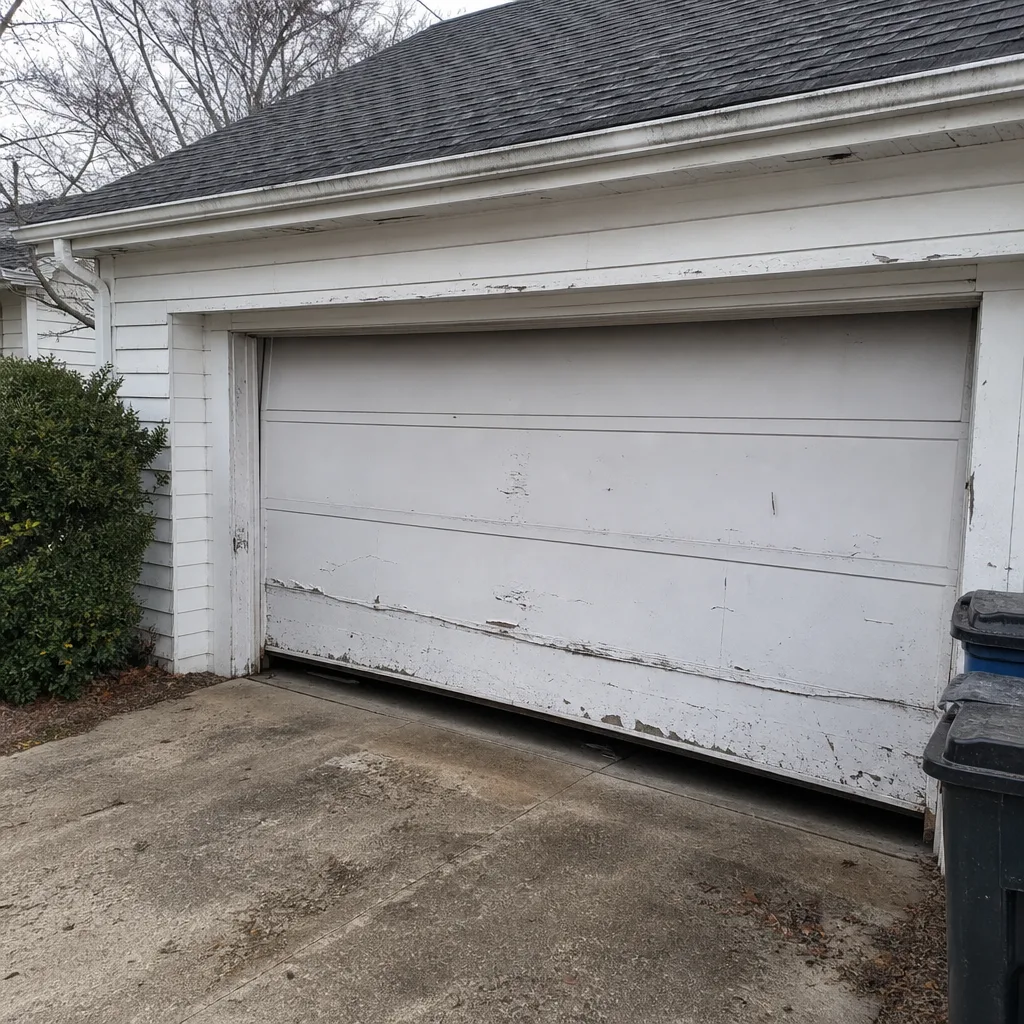 Before
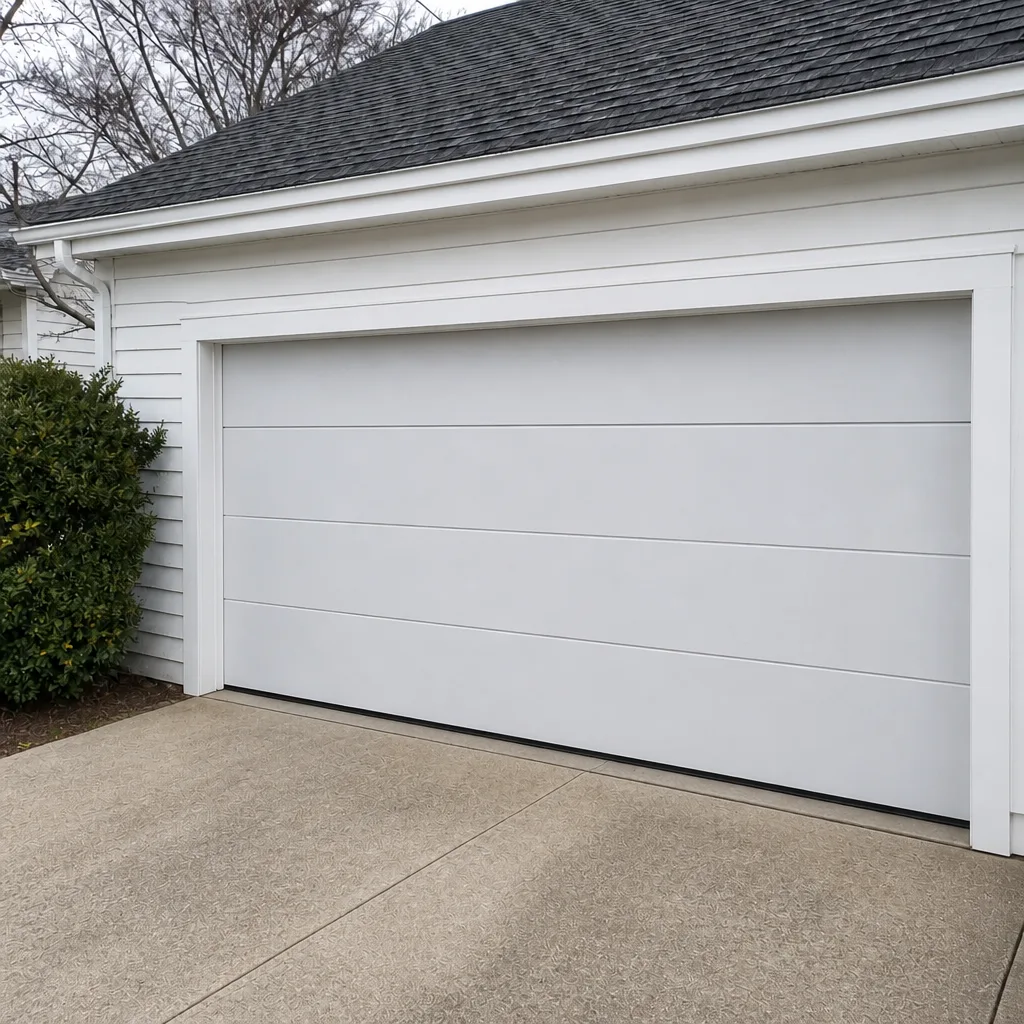 After
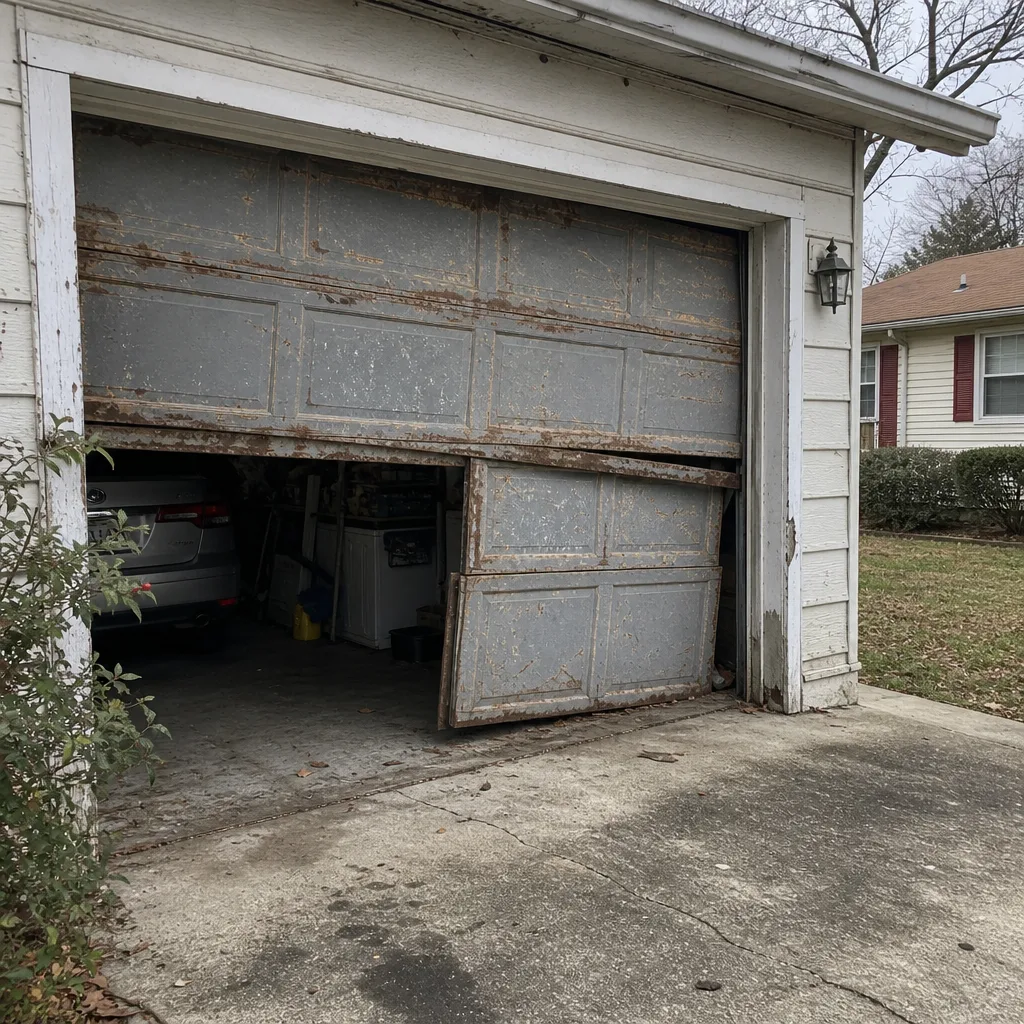 Before
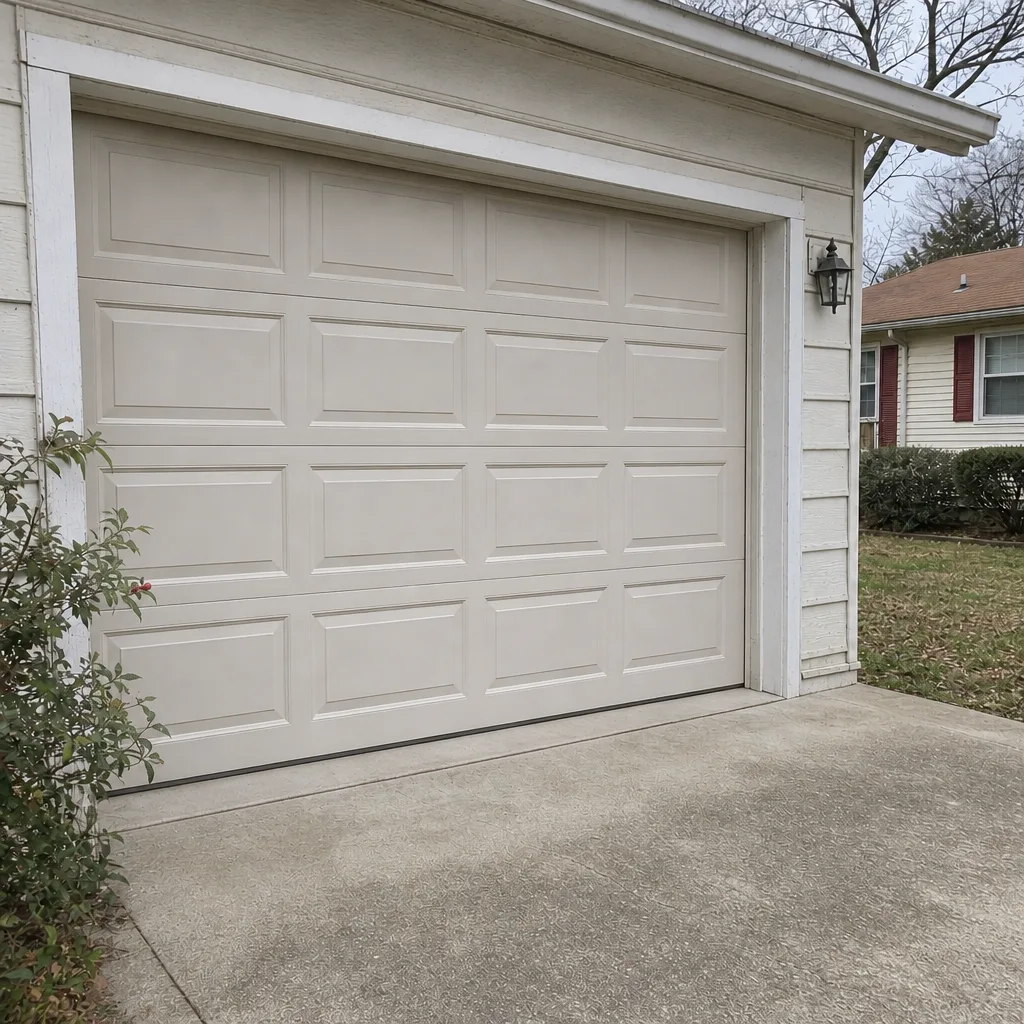 After
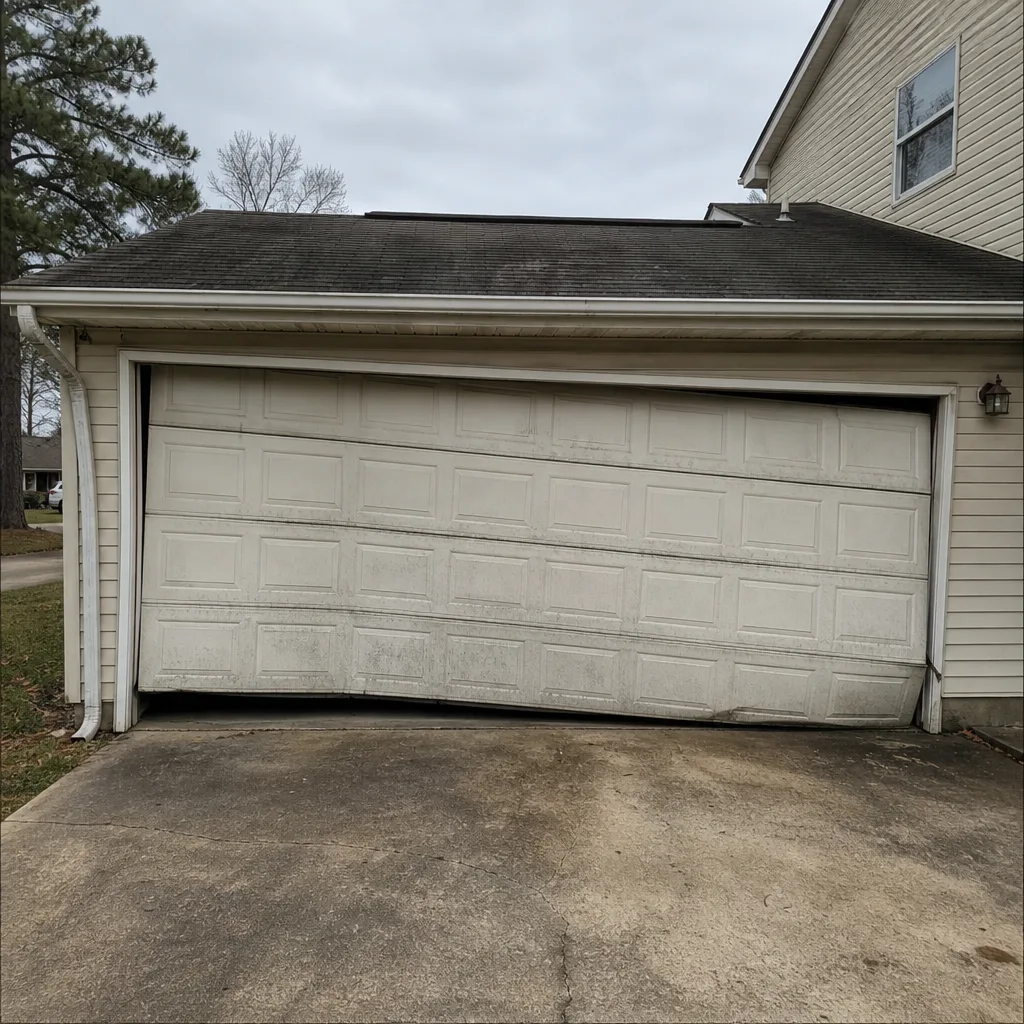 Before
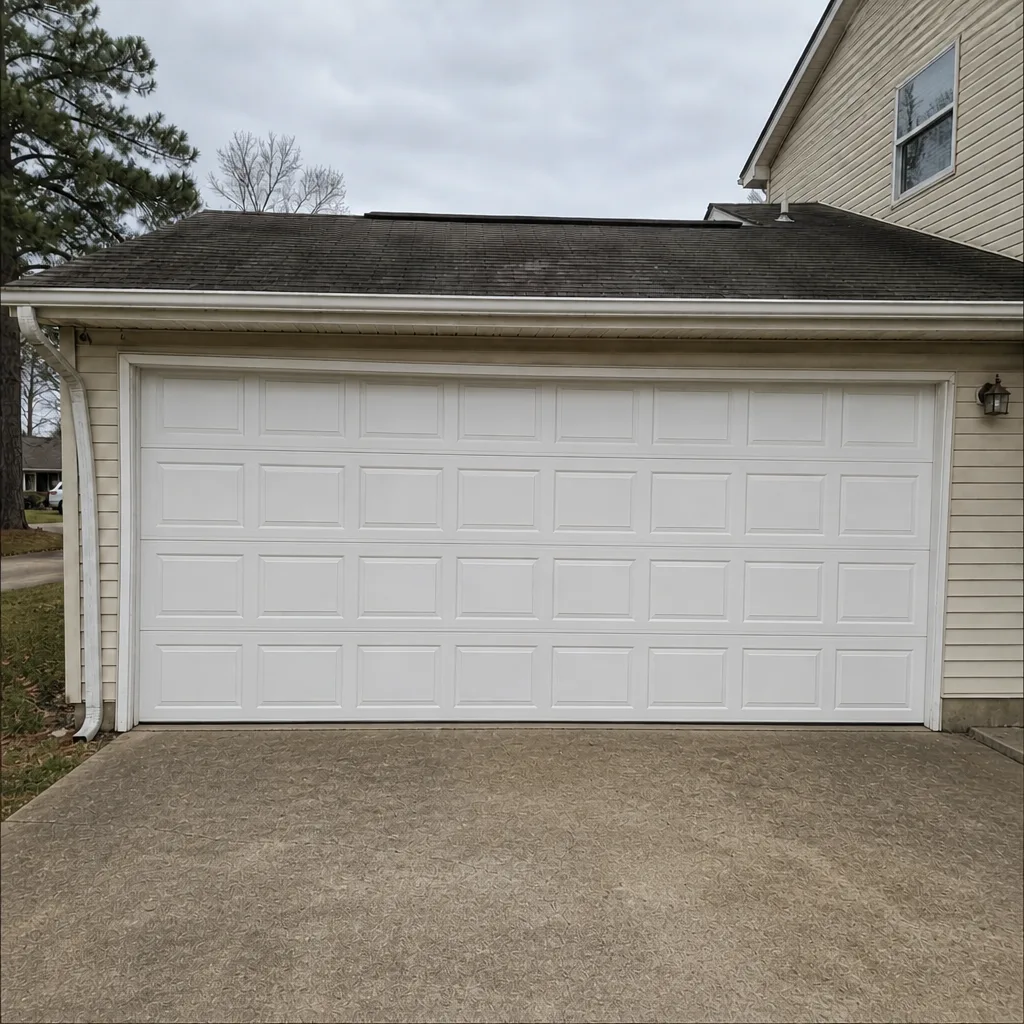 After
When to Call a Professional
Call a professional when the door won’t open or close fully, when you hear a snap from above the door followed by a loss of tension (that’s a broken spring, and no, don’t try the door again to check), when the opener runs but the door doesn’t move, when the door comes down crooked or reverses immediately, or when you notice wobble, rust at the pivot points, or a track that’s visibly misaligned. Cables and springs store tremendous force and are not safe to adjust without training. Same-day service is available on most calls; if the door is stuck open and your home is exposed, treat it as an emergency. Chesapeake Garage Door Repair Experts offers free estimates in Chesapeake, and our technicians have up to 9 years of experience across eight leading brands. Call (877) 419-7485.
Frequently Asked Questions
A standard single-car garage door replacement in Chesapeake typically runs $1,400 to $2,600 installed, with most jobs landing between $1,700 and $2,100 for a mid-grade insulated door with torsion springs. Double-car replacements usually run $2,200 to $4,200, and premium carriage-house or full-view doors exceed $5,000. The written estimate sets the final price, and we offer free estimates. Call (877) 419-7485 for an exact quote.
Repair is almost always cheaper in the short term, and it’s the right call when the door itself is structurally sound. Replace when the door has multiple panel failures, is consistently out of balance despite adjustment, or the repair bill creeps toward half the cost of a new door. For a single worn component or a failed spring, repair is clearly the better move. Ask for a free estimate with both options priced out so you can decide with real numbers in hand.
Chesapeake labor typically runs 10% to 20% above the national median because the Hampton Roads skilled-trades pool is tighter and installation time varies more across the region’s housing stock. Installers also have to accommodate the seasonal humidity swings that affect wood-frame garage openings. Fair local installers price the job to be done once; if a quote comes in well below the local market, ask what’s missing from the scope. Call (877) 419-7485 for a free estimate and a local benchmark.
Belt-drive openers typically run $100 to $200 more than chain-drive installed in Chesapeake: roughly $380 to $680 for belt versus $280 to $480 for chain. Belt-drive is noticeably quieter and the better fit for most attached garages in the area, where the door sits under or beside living space. Jackshaft models run $650 to $1,100+ installed and make sense for high-lift or vaulted installs. Call (877) 419-7485 for a free estimate on an opener upgrade.
Yes. A single torsion spring repair in Chesapeake typically runs $180 to $340, so a matched pair costs about twice that. Springs should always be replaced as a matched pair because mismatched springs unbalance the door and fail sooner. If a quote prices one spring and implies it covers both, ask directly. Call (877) 419-7485 for a free estimate; the written quote is the price.
No. We measure, scope, and quote before any work begins, and the written estimate sets the price. That’s the standard we hold. If something genuinely wasn’t visible at measure time, we discuss it with you before proceeding; nothing is added to the bill silently. That way the number you agree to is the number you pay. Call (877) 419-7485 for a free estimate, and we’ll walk you through the scope line by line.
The Bottom Line
The price difference between two garage door quotes in Chesapeake is almost always a scope difference, not a markup difference. A real Chesapeake installation includes the door panel, spring assembly, hardware, labor, haul-away, and any permit the city requires; pull those apart and compare. Torsion springs cost more upfront and less over a decade. Belt-drive openers cost more upfront and quieter in daily use. Deferred repair is the expensive path; the small wear item fixed early is the cheap one. Every price you’ve read here is an estimate; the written quote is final. For a free estimate with the scope explained line by line, call (877) 419-7485.
Written by the team at Chesapeake Garage Door Repair Experts.