
Last updated November 21, 2026
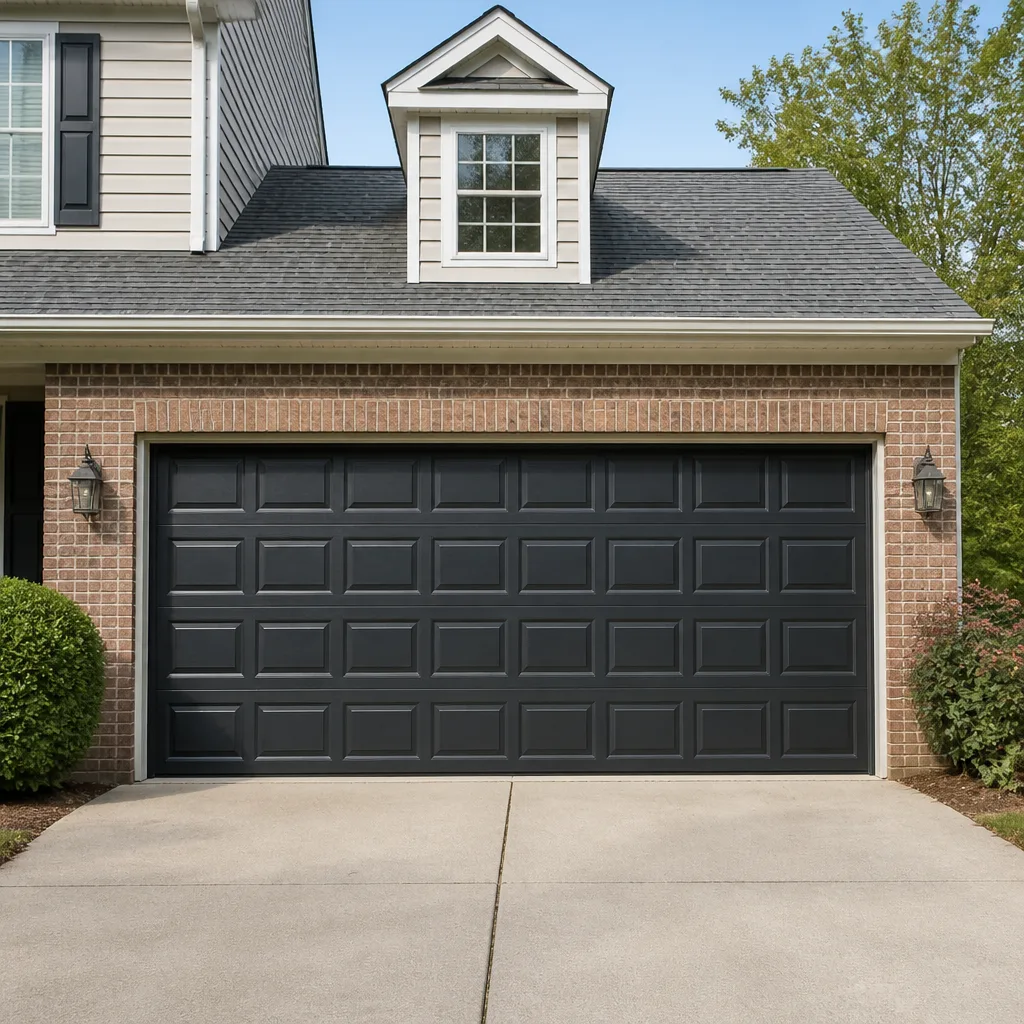 Raised-panel steel
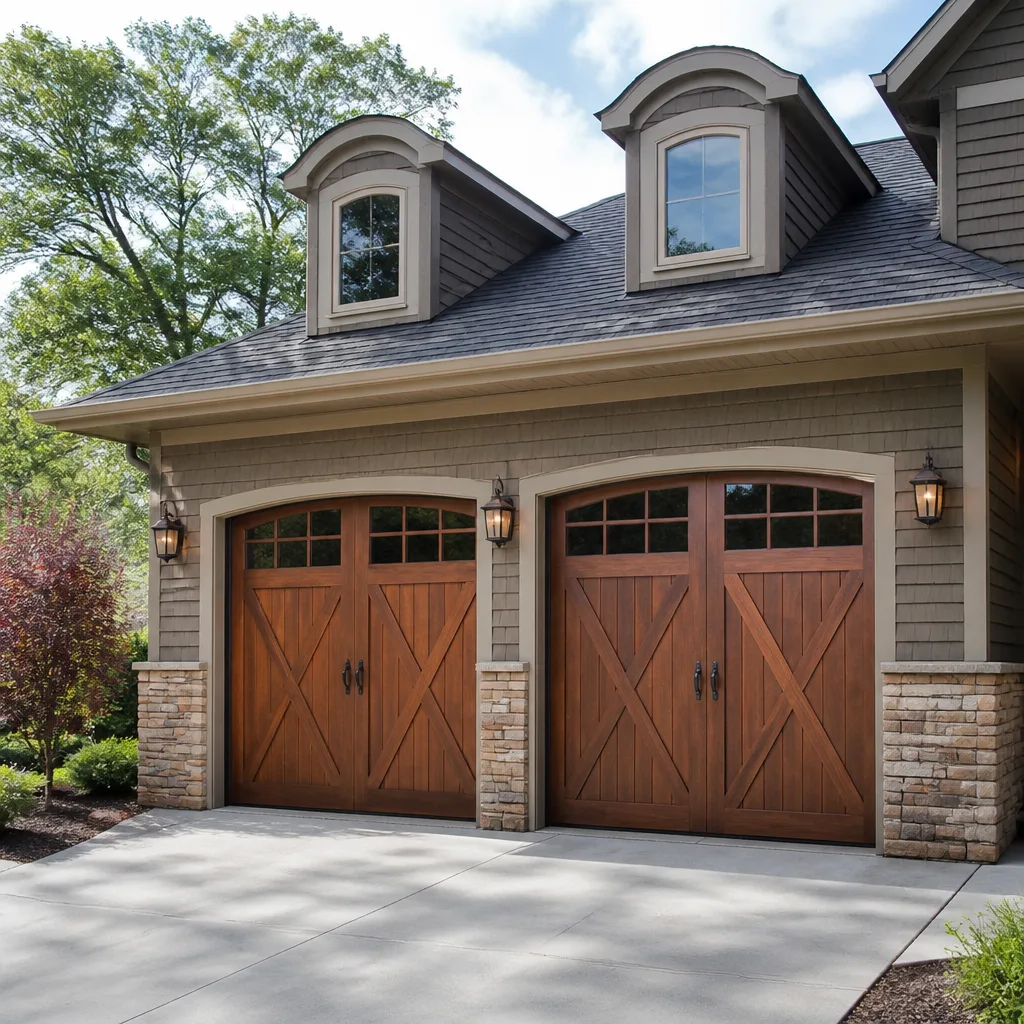 Carriage house
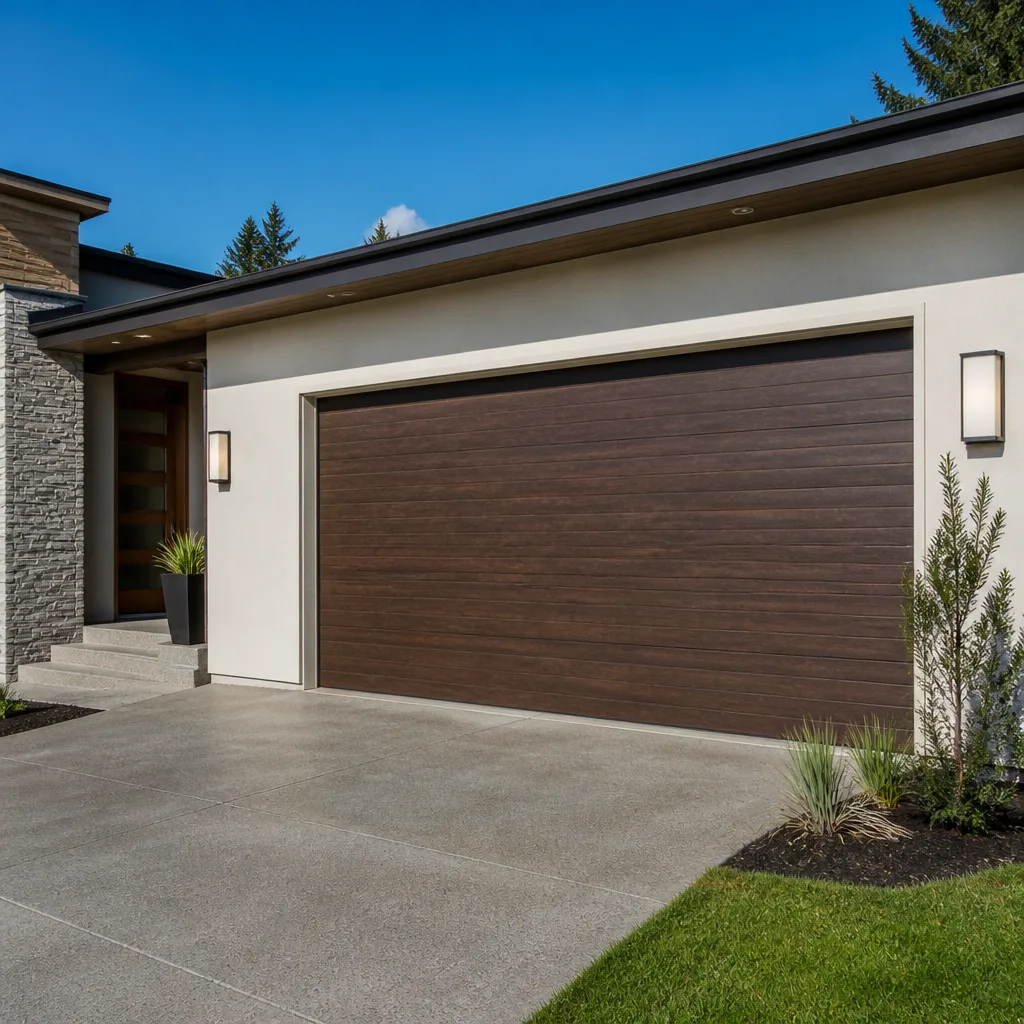 Modern flush
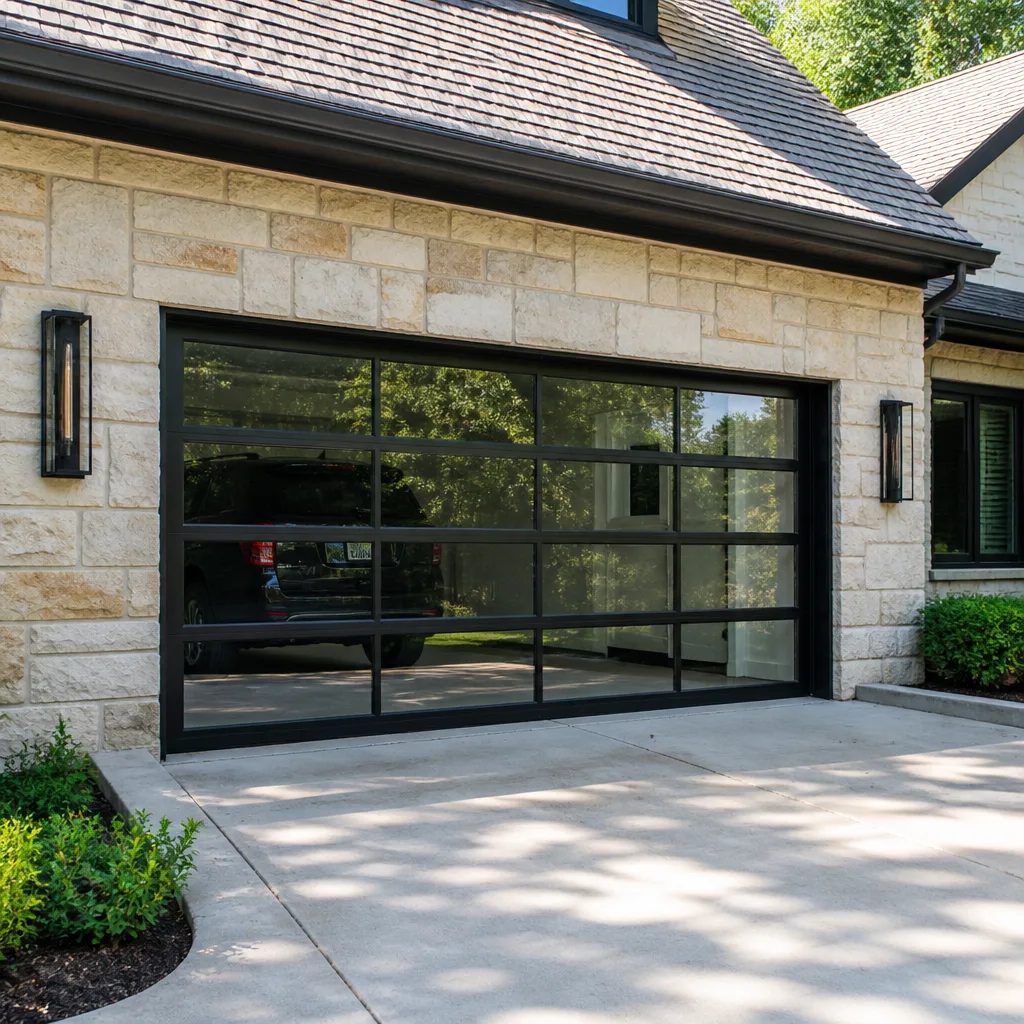 Full-view glass
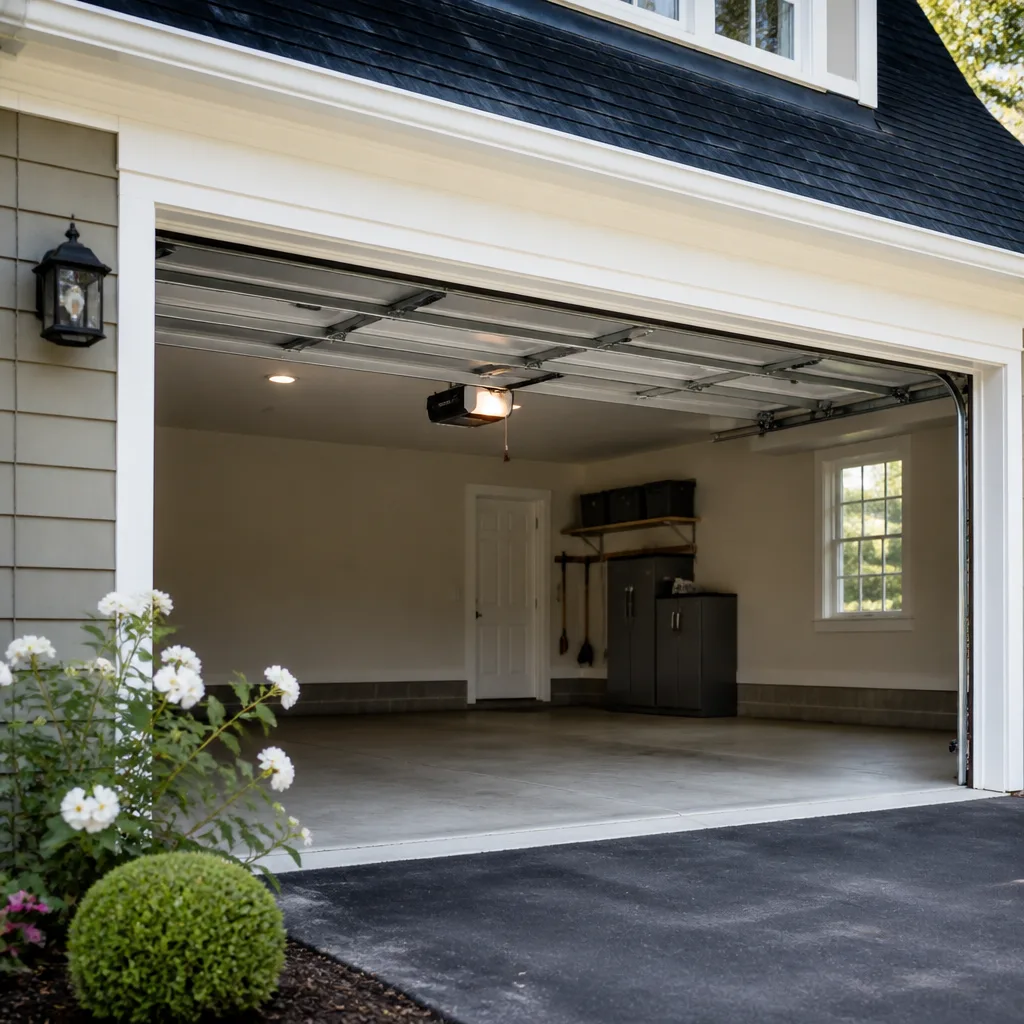 LiftMaster openers
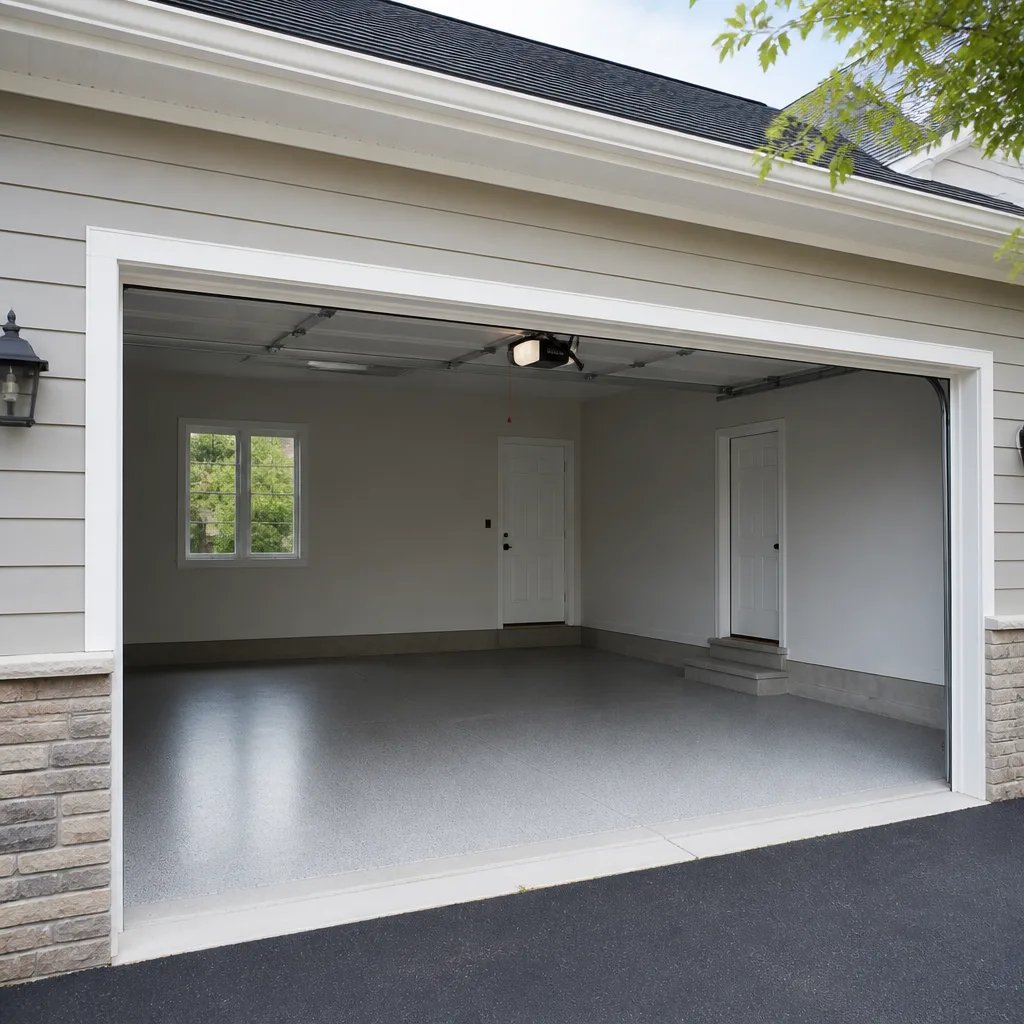 Chamberlain openers
Full 25-point door and opener safety check with every visit - springs, cables, rollers, tracks, and your LiftMaster or Chamberlain opener included
You get a price before we start. It does not change when the pro arrives.
Get your free estimateGarage Door Emergency Preparedness Guide for Chesapeake Homes
Most Chesapeake homeowners have never pulled the release cord on their garage door opener. That’s not a criticism. It’s just the truth. The manual release is a 90-second procedure, and almost no one practices it until the night they need it. When a nor’easter knocks out power across Hampton Roads and your car is stranded inside, or when tropical storm remnants leave a door hanging open to the weather, that small red cord becomes the most important thing in the house. This guide covers the release procedure for the major opener brands, pre-storm prep, backup power options, and how to reach a specialist fast.
Quick Answer
To prepare for a garage door emergency in Chesapeake, learn your opener’s manual release before you need it, test it once a season with the door closed, keep backup power in mind for storm season, and know which situations require a technician instead of a DIY fix. Springs, cables, and torsion systems are dangerous and should never be handled by homeowners. Everything else can be planned for in advance.
Styles & brands we work with
- Raised-panel steel
- Carriage house
- Modern flush
- Full-view glass
- LiftMaster openers
- Chamberlain openers
Table of Contents
- How Do You Manually Release a Garage Door Opener?
- LiftMaster, Chamberlain, Genie & Craftsman: Release Cord Differences
- Pre-Storm Checklist for Chesapeake Homes
- Battery Backup Openers for Storm-Season Outages
- What to Do When a Door Is Stuck Open After a Storm
- How to Prepare Before You Call for Emergency Service
- Which Repairs Are Safe to Try and Which Aren’t
- Seasonal Preparedness Calendar for Chesapeake
How Do You Manually Release a Garage Door Opener?
The manual release disconnects your door from the opener so you can lift it by hand. On most residential openers, it’s a red cord hanging from the trolley on the rail, and pulling it down releases the carriage. The door then moves freely on its tracks. Getting this right in the dark, under stress, during a power outage is the core skill this guide teaches.
Here’s the general procedure. It applies to nearly every residential opener, though the cord position varies by brand and installation:
- Locate the red release cord. It hangs from the trolley assembly on the opener rail, usually 6 to 8 feet above the floor and near the center of the door’s travel path.
- Stand clear of the door’s path and confirm no one is standing under or near the door.
- Pull the cord straight down and slightly toward the opener head until the trolley carriage clicks free. You’ll feel it release.
- Lift the door by hand from the bottom panel, using the center handle or the bottom edge. Lift slowly and steadily, not with a yank.
- Once the door is up, prop or secure it if you’re going to leave it open. Don’t let it hang unattended.
- To re-engage later, close the door fully, then pull the cord again or cycle the opener so the carriage reconnects.
Practice this once with the door closed and the opener powered on, so the door stays locked in place. Then practice it during a low-stress outage. The procedure takes less than a minute, but only if you’ve done it before. If you’ve never rehearsed it, the middle of a Chesapeake thunderstorm isn’t the time to learn.
One important caveat: if your door has a jackshaft or side-mounted opener, or if the door is very heavy, the release mechanism may work differently. Check your opener’s manual before you need it.
LiftMaster, Chamberlain, Genie & Craftsman: Release Cord Differences
The red-cord principle is universal, but the mechanism isn’t identical across brands. Understanding the differences matters most when the door is stuck and you’re guessing which part to grab. Here are the four most common openers we encounter in Chesapeake homes:
LiftMaster and Chamberlain
These two share a parent company and many components. Both use a red cord hanging from the trolley with a spring-loaded release. On newer models, the trolley carriage has a “lock-out” feature so the door doesn’t accidentally re-engage during a power outage. Pulling the cord drops the carriage; re-engaging requires a full door cycle. If the door won’t stay released, the trolley is likely jammed against the rail and needs a technician.
Genie
Genie openers use a similar red cord but with a different trolley latch design. Some models have the release cord positioned further from the opener head, closer to the door. The carriage re-engages on a door cycle, but on a few older Genie models, the release requires lifting the door slightly to reset the carriage. If the cord doesn’t click free after a firm pull, don’t force it.
Craftsman
Craftsman openers (many of which are made by Chamberlain) use the standard red-cord trolley system, but older Craftsman units may have a plastic latch that becomes brittle over time. A stuck release cord on an older Craftsman is a signal that the trolley assembly is worn and needs inspection before the door is trusted in an emergency.
The general rule
If the cord pulls but the door won’t move, the problem isn’t the release; it’s the door itself (a broken spring, a jammed track, or a cable off the drum). Stop, don’t force it, and call a professional. We work on the brand already on your garage, so technicians arrive knowing the specific release mechanism rather than guessing. For a full-service repair visit, see our garage door repair page.
Pre-Storm Checklist for Chesapeake Homes
Named storms and nor’easters bring wind-driven rain and hours of grid instability to Chesapeake. A garage door is a large moving surface, and wind load is real: a door left partially open during a storm can catch wind and torque the tracks, panels, or opener arm. Preparing the door before the storm hits is much easier than dealing with the aftermath.
Here’s what we recommend for any Chesapeake home before a named storm:
- Close the door fully and confirm it’s seated against the floor. No gaps, no partially open position.
- Disconnect the opener from the door. Pull the red release cord and leave it disengaged. This protects the opener’s gears and trolley from being forced by wind-driven door movement.
- Lift the door slightly by hand to confirm it moves freely. If it feels stiff or binds, the spring or tracks may need attention before the storm.
- Clear the door’s path and tracks. Debris, leaves, or yard tools that blow against the door can jam the tracks.
- Re-engage the opener only after the storm has passed and you’ve inspected the door for damage.
Why disconnect? If wind drives the door while the opener is still coupled, the opener motor and gear assembly absorb forces they weren’t designed for. The result is often a stripped gear or a bent opener arm, which turns a simple storm into an expensive repair. Leaving the door disengaged and closed during the storm is the safest configuration.
If you have a battery backup opener, leave it connected but confirm the door is fully closed. Backup power won’t help if the door is catching wind.
Battery Backup Openers for Storm-Season Outages
Power outages during Chesapeake storm season are common enough that a battery backup opener is worth the upgrade. A battery backup keeps the opener functional for a limited number of cycles when the grid goes down, so you can open and close the door normally without reaching for the manual release.
When assessing your current opener:
- Check whether your opener has native battery backup. LiftMaster, Chamberlain, and Genie all offer battery backup models. If your opener was installed within the last several years, there’s a good chance it includes or supports backup; check the opener head or manual for a battery compartment.
- Confirm backup compatibility before adding a unit. Not every opener supports every backup unit. A retrofit backup must match the opener’s brand and model family.
- Replace the backup battery on a schedule. Backup batteries lose capacity over time. Test the backup once a season before storm season starts.
If your opener is aging and doesn’t support backup, a replacement opener is often the cleaner path than trying to retrofit. Opener replacement is part of our garage door opener repair work, and we service LiftMaster, Chamberlain, Genie, Craftsman, and Raynor openers. If you’re thinking about a full door replacement at the same time, see our garage door installation page.
What to Do When a Door Is Stuck Open After a Storm
A door stuck open after a storm is a security problem first and a mechanical problem second. Your home is exposed, and the door may be jammed in a way that gets worse if anyone forces it. The safe sequence is to assess before acting, and the right answer is often “don’t touch it, call a technician.”
Follow this order:
- Confirm no one is near the door. If the door is hanging at an angle or partially off-track, keep everyone away.
- Look for obvious damage. Bent tracks, panels off their hinges, a cable draped loose, or a torsion spring that’s snapped (usually visible as a gap in the coil) all mean stop.
- Check the opener. If the trolley is disconnected, the door may just need re-engagement. If the opener is running but the door isn’t moving, the issue is mechanical.
- Try a slow manual lift only if the door looks intact and the tracks are clear. Lift from the bottom center, slowly, and stop immediately if you feel binding or hear a grinding sound.
- Call a technician if anything looks wrong. A door that won’t close fully, won’t stay up, or grinds during travel needs professional assessment.
The “don’t touch it” cases are the ones most homeowners underestimate: snapped springs, cables off the drum, and panels that look intact but have shifted off the track. These are dangerous because the stored energy in a broken spring or a cable under tension can release suddenly. If in doubt, call. We answer 24/7. A call outside dispatch hours is booked into the next opening, Sunday through Friday, 7am to 7pm.
How to Prepare Before You Call for Emergency Service
The information you have ready when you call determines how fast the right parts and technician reach your driveway. Emergency service works best when dispatch knows what they’re dealing with before they leave.
Have these ready before you dial:
- Door brand and model. Clopay, Amarr, Wayne Dalton, and other brands each have their own panel and track specs.
- Opener brand and model. LiftMaster, Chamberlain, Genie, Craftsman, and Raynor openers each use different trolley and gear parts.
- Spring type. Look inside the garage at the door’s top area: torsion springs run horizontally above the door; extension springs run parallel to the tracks on each side. Note which you have and, if visible, how many.
- What the door is doing. Won’t open, won’t close, stuck open, stuck closed, grinding, or hanging at an angle.
- Your address and whether the car is trapped inside. This helps us prioritize access.
If you can text or email a photo of the opener head and the spring area before the technician arrives, even better. Our technicians have up to 9 years of experience, and the brand-specific knowledge matters: knowing you have a Genie versus a LiftMaster changes which trolley parts come along.
Call (877) 419-7485. We answer 24/7. Fast dispatch from 7am to 7pm, Sunday through Friday. Estimates are free, and the written estimate sets the final price before any work begins.
Which Repairs Are Safe to Try and Which Aren’t
Some garage door issues are homeowner-safe. Others are among the most dangerous tasks in the home. Knowing the difference is part of preparedness.
Safe to try
- Re-engaging the manual release after an outage
- Clearing debris from the tracks
- Replacing opener remote batteries
- Tightening a loose bracket on the door (with the door fully closed and opener disengaged)
- Resetting a tripped opener breaker
Not safe – call a professional
- Torsion and extension spring repair or replacement. Springs store enormous energy. A snapped spring or a spring under tension can cause serious injury. This is not a DIY job, full stop.
- Cable replacement. Cables are under high tension and can whip loose.
- Track straightening or replacement. A door that comes off the track can fall.
- Opener gear or motor replacement. The opener head is heavy and the gear assembly is precise.
- Panel replacement on a door that’s off-track. The door’s balance is compromised.
Spring work is the most commonly botched job in this trade, and it’s why we treat it as a specialization. Improper spring work leads to repeat failures and real injury. When a spring is involved, the right call is always a technician.
Seasonal Preparedness Calendar for Chesapeake
Chesapeake’s weather runs on a seasonal rhythm that’s predictable enough to plan around. Here’s how we recommend thinking about garage door readiness through the year.
- Late winter (February-March): After the coldest stretch, check springs and opener function. Cold can stiffen lubricant and stress older springs.
- Spring (April-May): Test the manual release, lubricate tracks and rollers, and confirm the opener’s safety reverse works.
- Early summer (June): Before storm season peaks, test any battery backup and replace batteries that are past their useful life.
- Storm season (June-November): Run the pre-storm checklist before any named storm. Close fully, disconnect the opener, clear the tracks.
- Fall (October-November): Inspect for storm damage, check weather seals, and schedule any repairs before the next cold stretch.
- Winter (December-January): Confirm the door closes fully against the floor and the opener responds reliably in cold weather.
Two minutes of inspection once a season catches most problems before they strand you. If something looks off during a seasonal check, that’s the time to call, not the night the door fails. For a full list of what we cover, see Chesapeake Garage Door Repair Experts.
Common Mistakes to Avoid
- Waiting until the power is out to learn the manual release. Practice it once with the door closed so you know the motion before you need it in the dark.
- Forcing a door that won’t move. If the cord pulls but the door still won’t lift, the problem is mechanical, not the release. Forcing it bends tracks and panels. Stop and call.
- Leaving the opener connected during a named storm. Wind-driven door movement can strip the opener’s gears. Disconnect the opener before the storm.
- Trying to replace a spring yourself. This is the single most dangerous garage door repair. Springs store energy even when they look intact.
- Ignoring a battery backup that’s never been tested. Backup batteries lose capacity. Test them once a season or they won’t help when you need them.
- Calling without the door and opener brand ready. Knowing you have a Clopay door and a LiftMaster opener saves a diagnostic step and gets the right parts on the first trip.
- Assuming all openers release the same way. LiftMaster, Chamberlain, Genie, and Craftsman trolleys differ. If your cord doesn’t click free, don’t force it; the assembly may need inspection.
See the difference
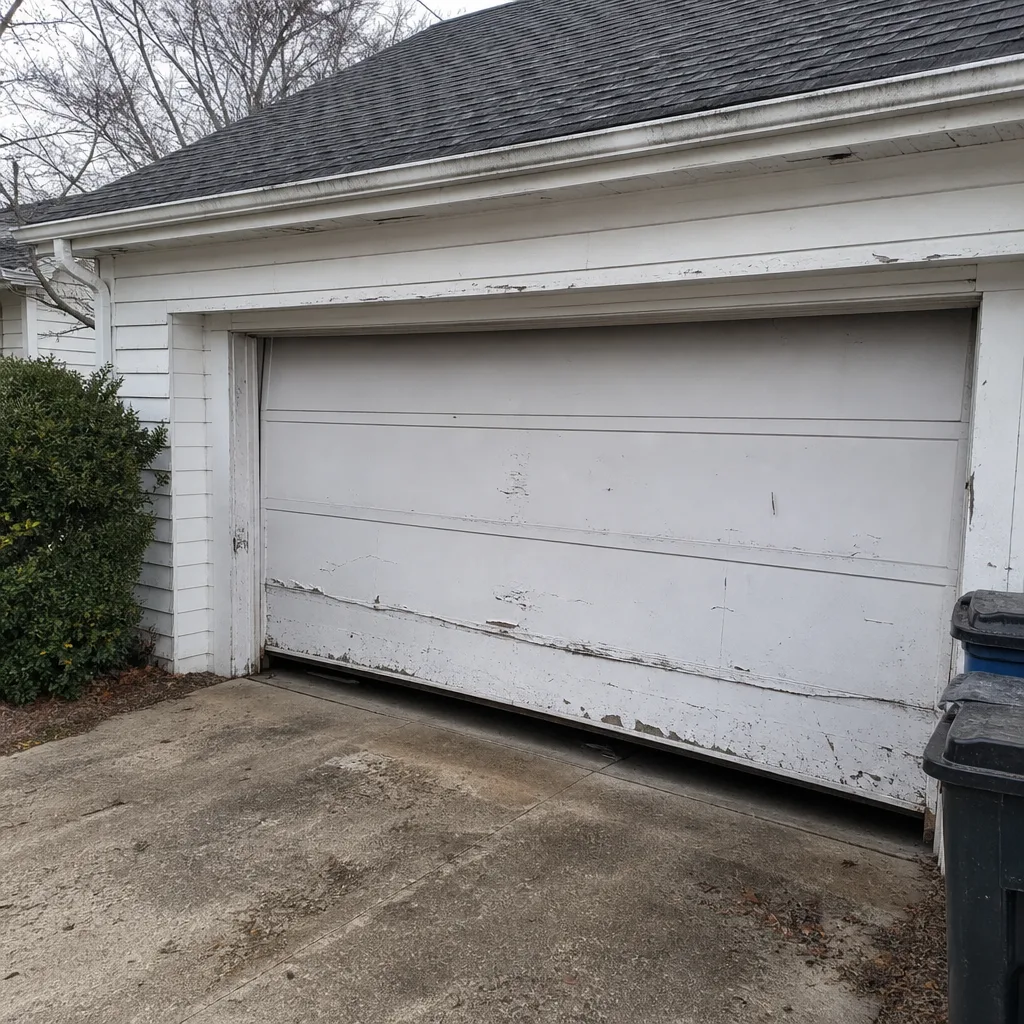 Before
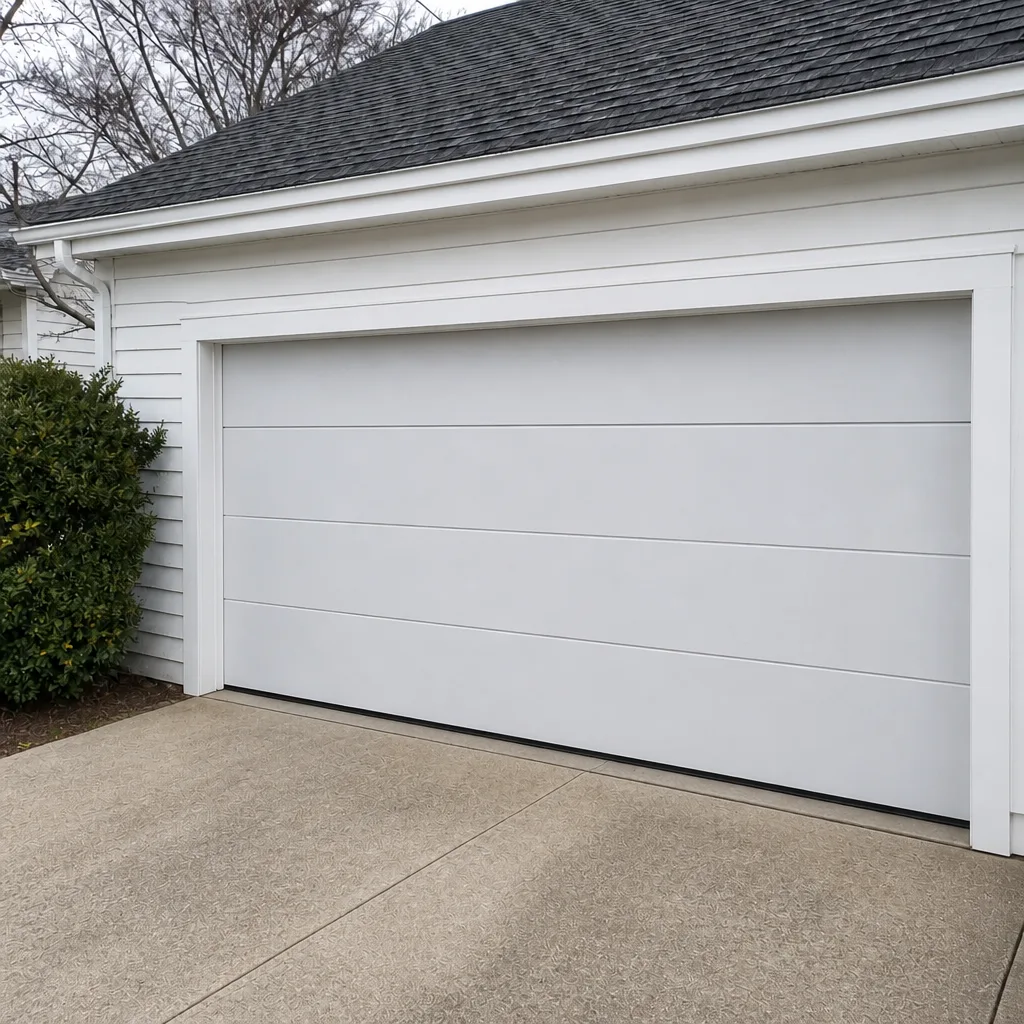 After
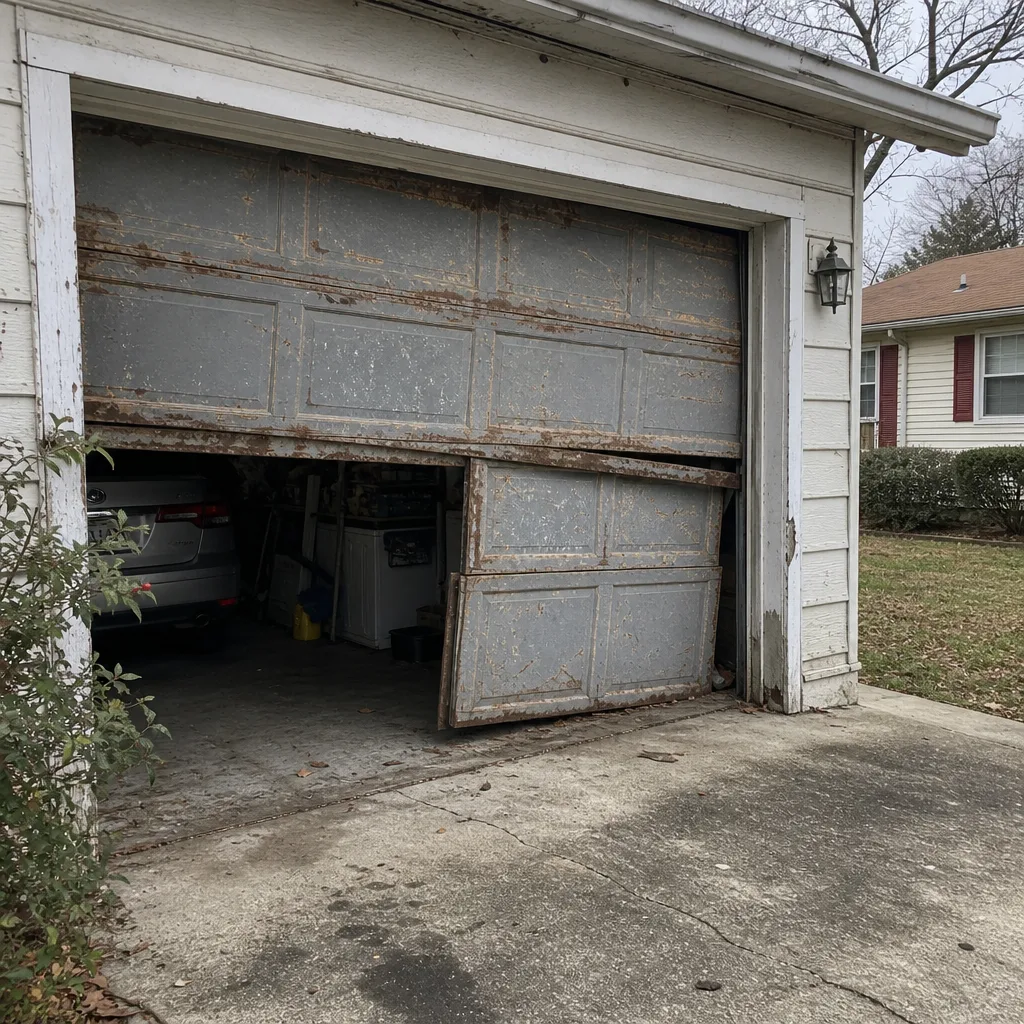 Before
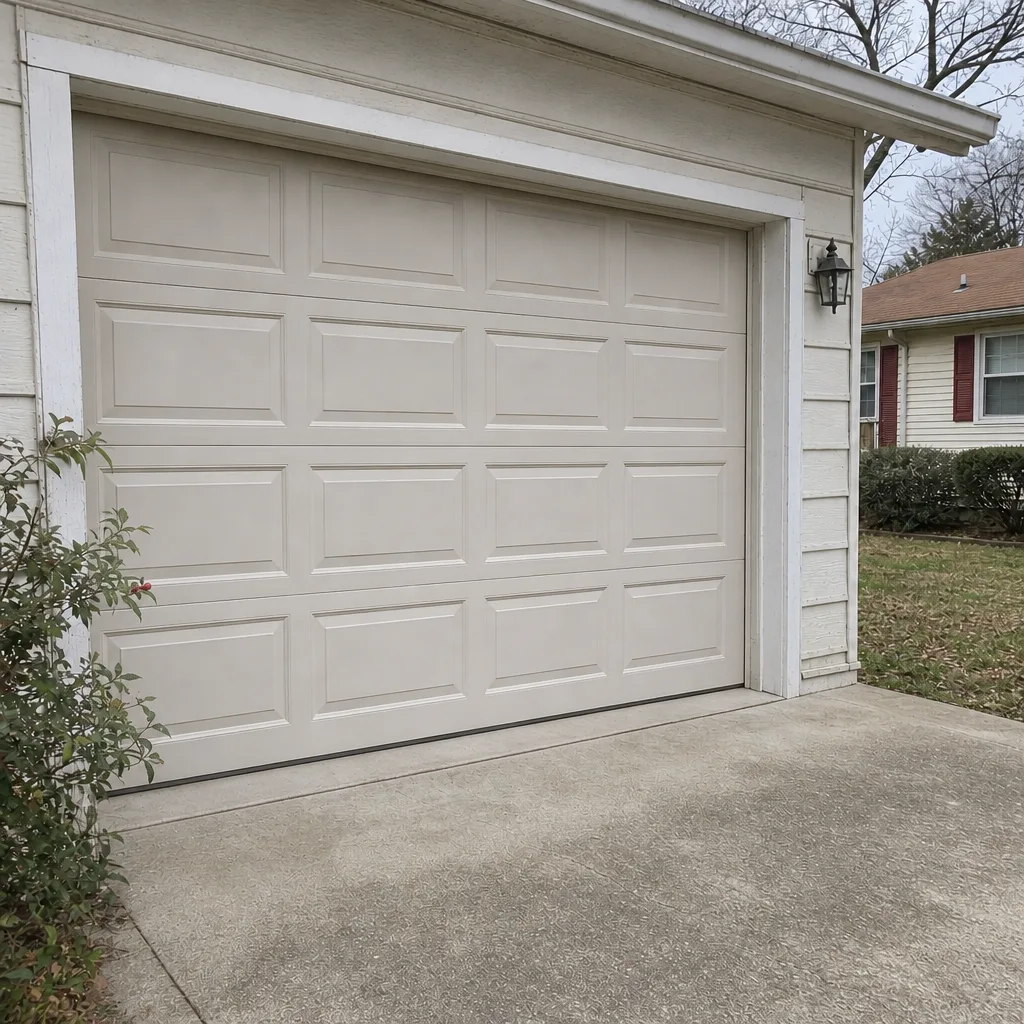 After
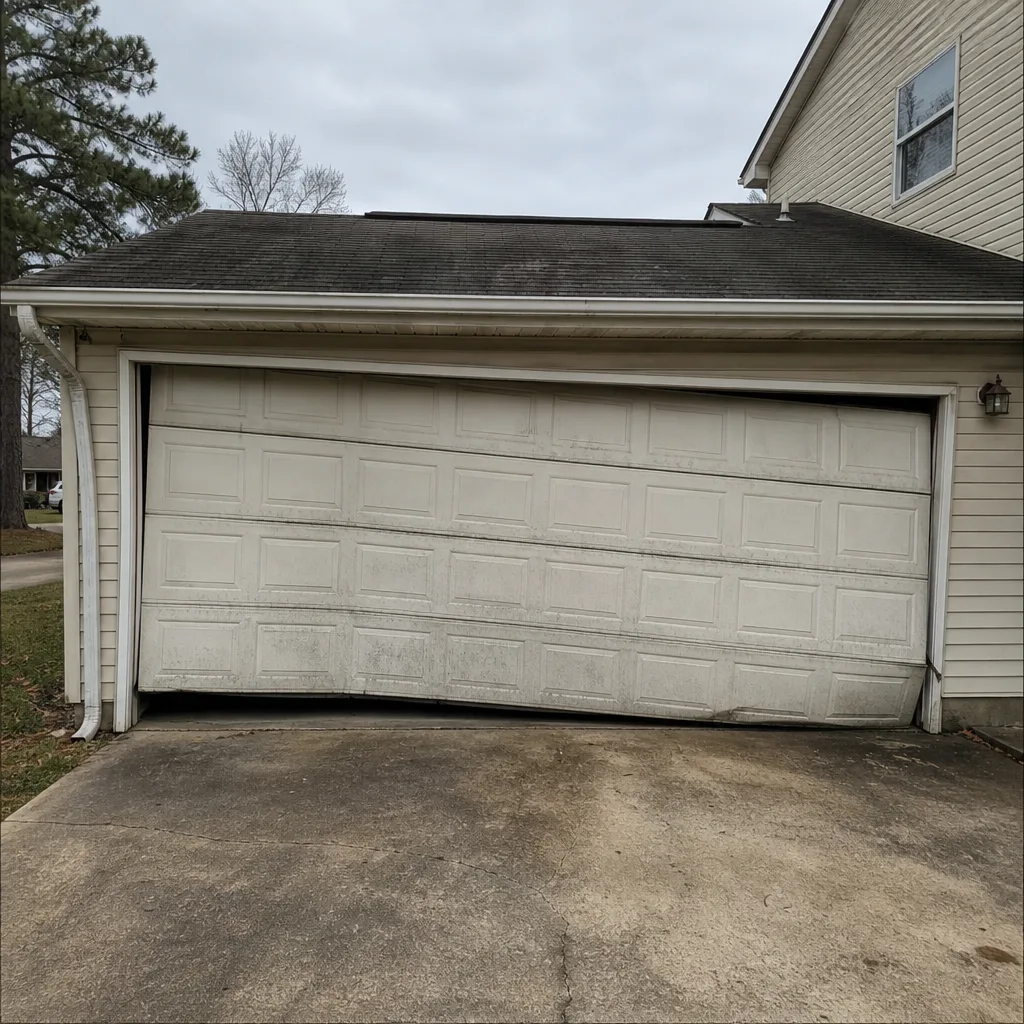 Before
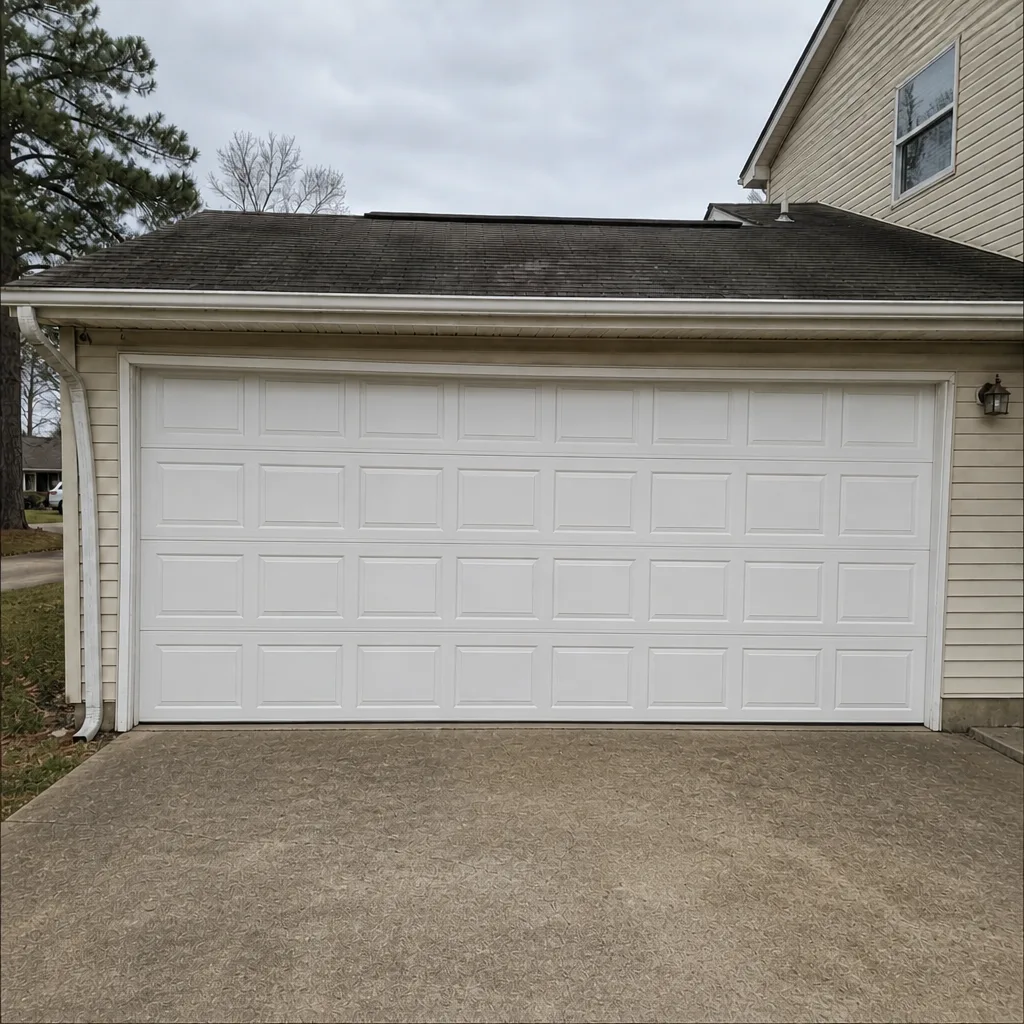 After
When to Call a Professional
Call a professional when the door has snapped a spring, come off its tracks, or is hanging at an angle. Call when the opener runs but the door doesn’t move, or when you hear grinding during travel. Call when a cable is loose or off the drum. Call when a door stuck open needs to be secured and it won’t close safely. And call when you’re simply not sure: the phone consult is free, and knowing whether it’s a repair or a warning sign matters.
Chesapeake Garage Door Repair Experts offers free estimates in Chesapeake. Call (877) 419-7485. We answer 24/7. Fast dispatch from 7am to 7pm, Sunday through Friday. Estimated pricing is confirmed in writing before any work starts, so there are no surprises after the fact.
Frequently Asked Questions
Pull the red release cord hanging from the trolley on the opener rail straight down and slightly toward the opener head until you feel the carriage click free, then lift the door from the bottom center. Practice it once with the door closed and the opener powered so you know the motion before an outage. The procedure takes under a minute once you’ve done it.
No. LiftMaster, Chamberlain, Genie, and Craftsman all use a red-cord principle, but the trolley latch designs differ. LiftMaster and Chamberlain use a spring-loaded carriage with a lock-out feature; Genie’s trolley is positioned differently on the rail, and some older models need a slight lift to reset. If the cord pulls but doesn’t click free, stop and call a technician.
No. Torsion and extension springs store enormous energy and are the most dangerous component of the door. A snapped spring or one under tension can cause serious injury. Spring repair requires trained handling and proper tools; call a professional. Call (877) 419-7485 for a free estimate.
Assess before acting. Confirm no one is near the door, look for bent tracks, panels off their hinges, cables off the drum, or a visible spring gap. If any of those are present, don’t touch it and call a technician. If the door looks intact and the tracks are clear, try a slow manual lift to close it. If it binds or grinds, stop and call.
A battery backup opener is worth having during Chesapeake’s storm season, when grid outages are common. It keeps the opener functional for a limited number of cycles when power is out. Check whether your current opener supports backup; if it doesn’t, an opener replacement is often the cleaner path than a retrofit.
Pricing is set per job by the written estimate, which is provided free before any work begins. The final price is the number on the written estimate, quoted and agreed before the technician starts. Call (877) 419-7485 for an exact quote; estimates are free.
The Bottom Line
The best garage door emergency is one you’ve already prepared for. Learn the manual release for your specific opener brand. Test it once a season with the door closed. Disconnect the opener before a named storm. Test your battery backup before storm season. Know which situations are safe to handle and which are “call a technician” cases, and have your door brand, opener model, and spring type ready before you call. Preparedness turns a night stranded in your driveway into a 90-second procedure. And if something goes wrong anyway, one call to (877) 419-7485 gets a specialist on the way. We answer 24/7. Fast dispatch from 7am to 7pm, Sunday through Friday. Estimates are free.
Written by the team at Chesapeake Garage Door Repair Experts.