
Last updated November 21, 2026
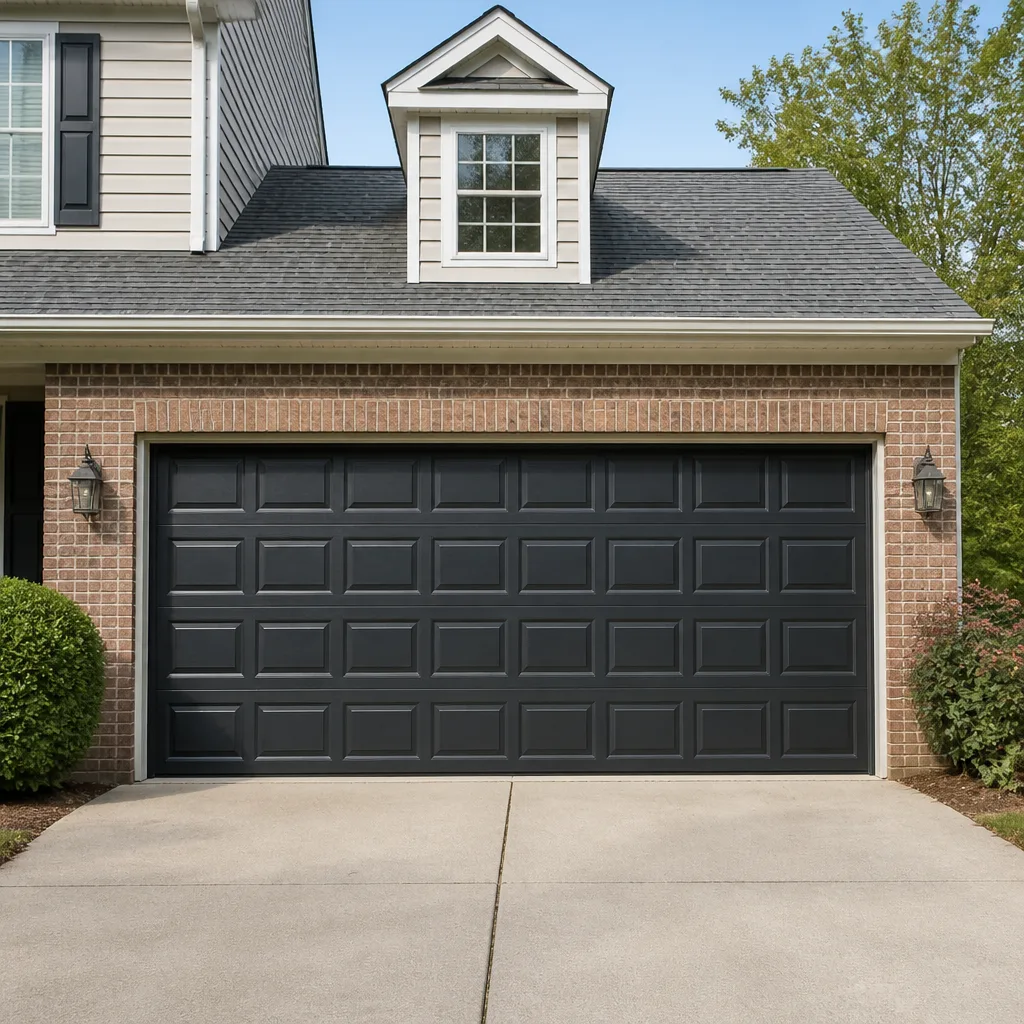 Raised-panel steel
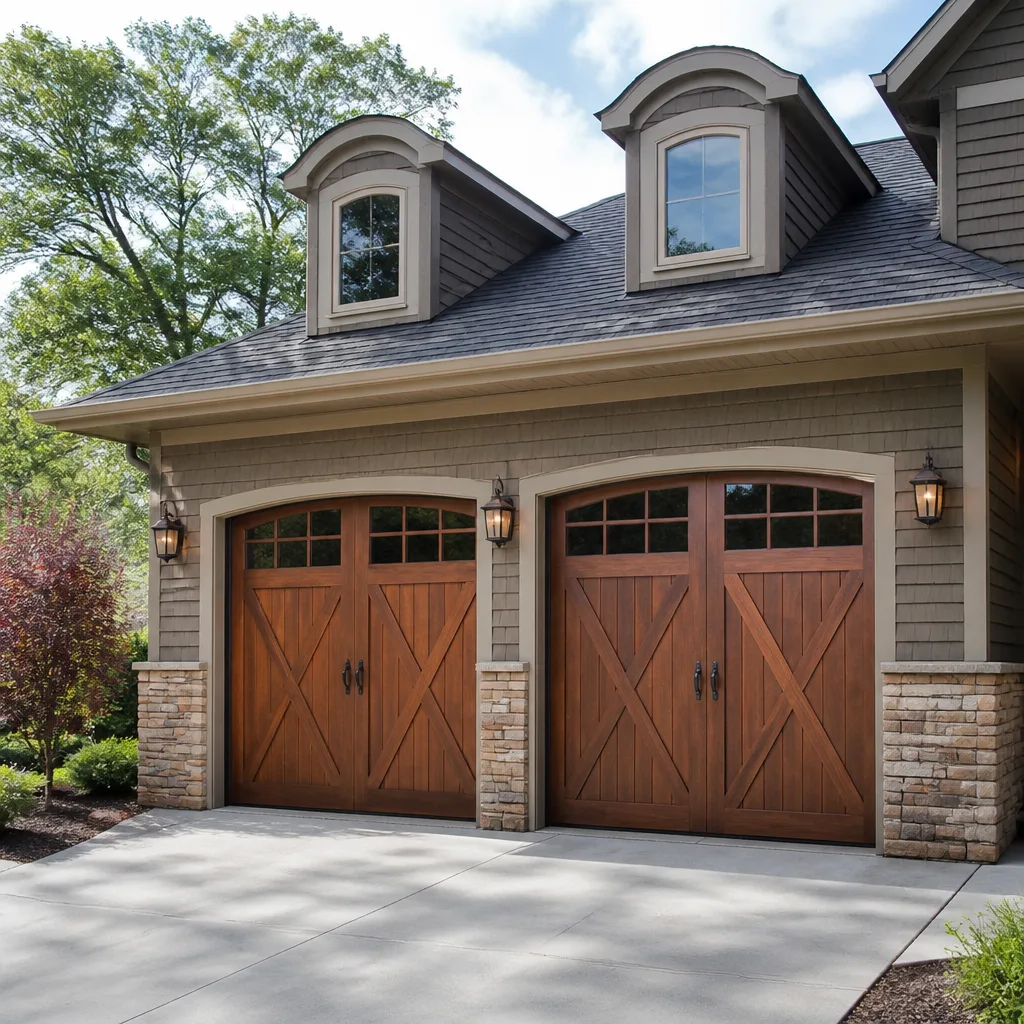 Carriage house
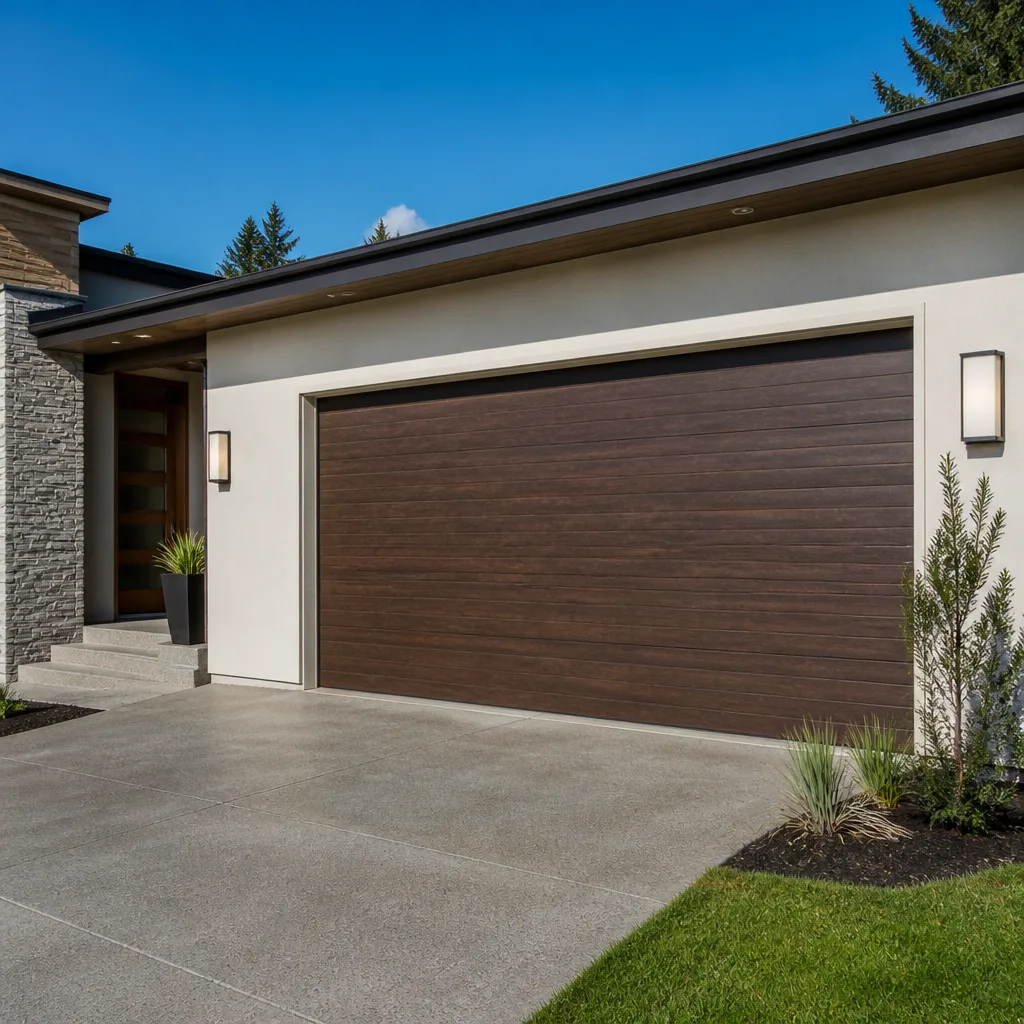 Modern flush
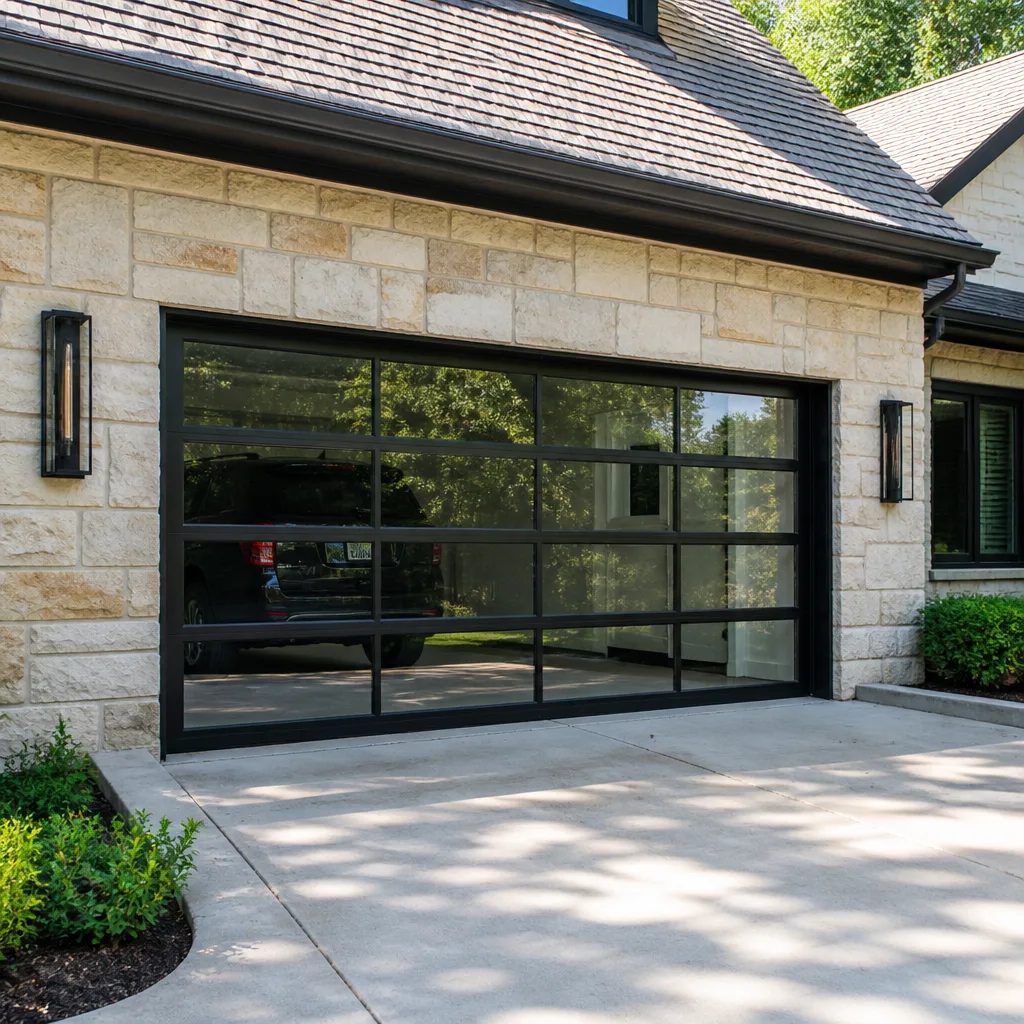 Full-view glass
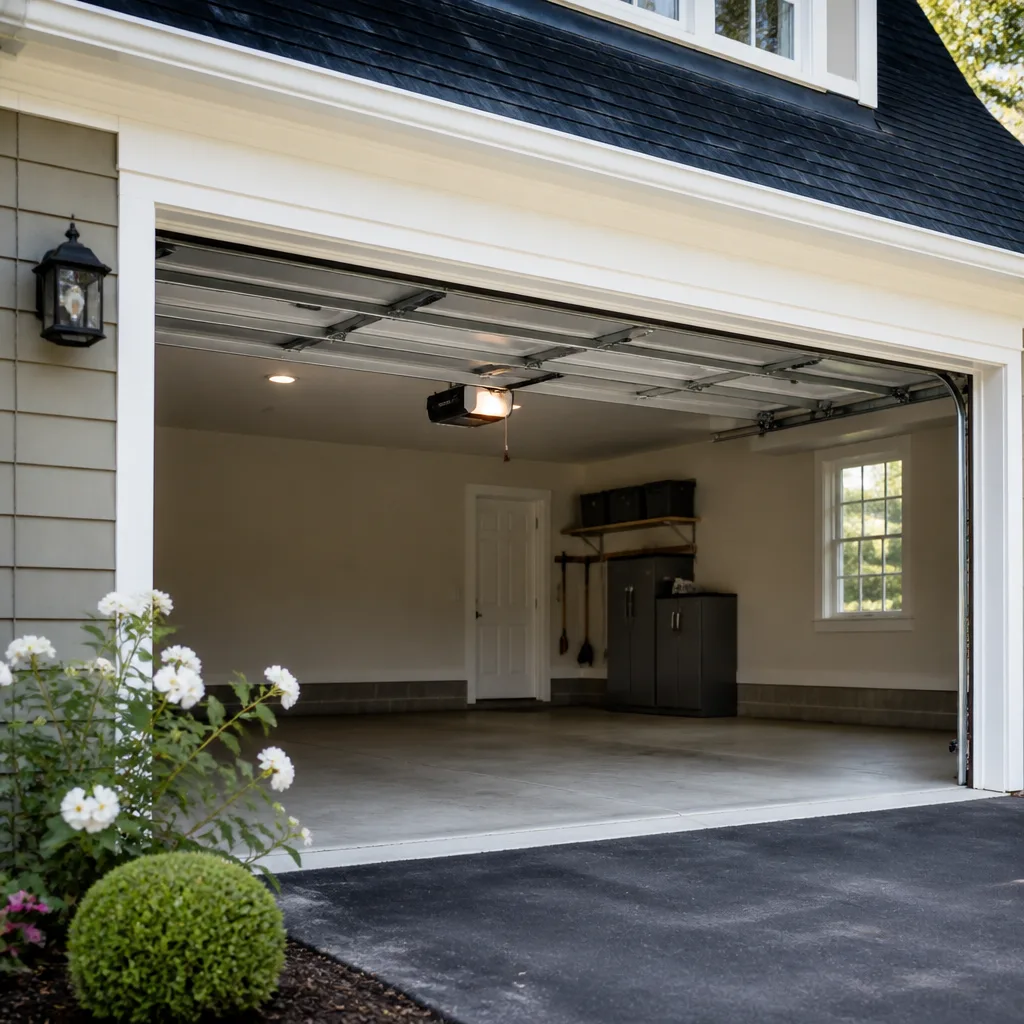 LiftMaster openers
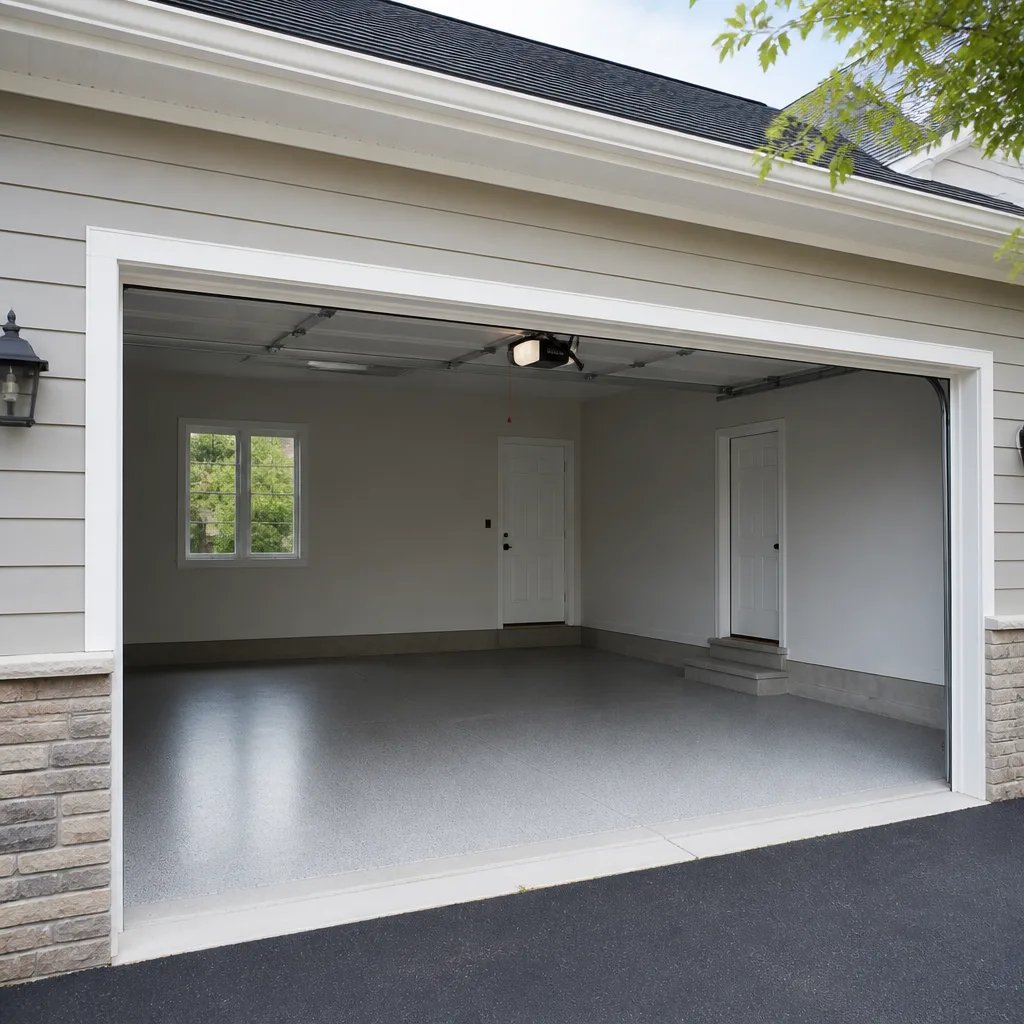 Chamberlain openers
Full 25-point door and opener safety check with every visit - springs, cables, rollers, tracks, and your LiftMaster or Chamberlain opener included
You get a price before we start. It does not change when the pro arrives.
Get your free estimateGarage Door Repair Maintenance Schedule: What to Do and When
Most maintenance checklists treat a garage door like a single object that needs “an annual tune-up.” It isn’t. Your door is a system of moving parts, and each one wears out on its own timeline. A torsion spring, a set of nylon rollers, a photo-eye sensor, and an opener motor don’t age at the same rate, so a once-a-year glance misses the parts that are already past their limit. What you need is a calendar tied to how components actually degrade, adjusted for the humidity and temperature swings we get in Chesapeake. This guide breaks down every interval, which lubricant goes where, and the checks you can safely do yourself. Call (877) 419-7485 for a free estimate. We answer 24/7.
Styles & brands we work with
- Raised-panel steel
- Carriage house
- Modern flush
- Full-view glass
- LiftMaster openers
- Chamberlain openers
Quick Answer
Lubricate springs, hinges, and rollers every six months. Run a balance test and a photo-eye alignment check quarterly. Inspect cables, drums, and weatherstripping once a year. Replace torsion springs proactively around the 8-to-10-year mark. Everything else on the door has a set interval that this guide lays out below. When a part is past its service life, stop adjusting it and replace it.
Table of Contents
- Why a Real Schedule Beats an Annual Checkup
- The Monthly Walk-Around (Two Minutes)
- Quarterly: Balance Test and Photo-Eye Check
- Every Six Months: Lubrication Done Right
- Annual: Cables, Drums, and Weatherstripping
- The Spring Clock: When to Replace Proactively
- Extending Opener Motor Life
- Seasonal Prep for Chesapeake Weather
- Common Mistakes to Avoid
- When to Call a Professional
- Frequently Asked Questions
Why a Real Schedule Beats an Annual Checkup
A garage door has more moving components than most homeowners realize. Counting springs, hinges, rollers, cables, drums, bearings, the opener rail, and every fastener, you’re looking at more than 18 parts that all carry load and all wear. They don’t fail together, and they don’t fail on the same clock. A generic “check it once a year” approach lets the fast-wearing parts run well past their limit while you’re focused on the slow ones.
The reason intervals matter is predictability. Rollers wear in a fairly steady way; torsion springs lose tension as they cycle; cables fatigue under constant load. Each of those has a timeline you can work from. If you replace or service a component on the front end of that timeline, you avoid the failure entirely. If you wait, you’re just choosing which breakdown to react to.
There’s also the local piece most guides ignore. Humidity and temperature swings push wear faster than a dry, stable climate would. A door in Chesapeake sees damp summers and freeze-thaw transitions that stress metal, wood, and seals more than they would in a drier place. That doesn’t mean your schedule has to be complicated. It means you can’t skip the seasonal steps and rely on a single yearly pass. If this feels like more than you want to track on your own, our Chesapeake Garage Door Repair Experts team can set up a baseline inspection so you know exactly where each part stands.
The Monthly Walk-Around (Two Minutes)
A two-minute visual check once a month catches most developing problems before they get expensive. You don’t need tools for most of it. Stand back with the door closed, look at the whole system, and then run these checks:
- Look at the door from the side. Any visible sag or gap between sections means the door is out of alignment and stress is building somewhere.
- Watch it open and close once. Listen for scraping, grinding, or a stutter. Note any spot where it jerks rather than glides.
- Check the hardware. Loose hinges, missing roller stems, or bolts backing out are visible. Gaps at the bottom corners are a sign the frame is moving.
- Look at the tracks. Dents, bends, or debris in the rail will drag the door out of line.
- Check the bottom seal. Cracks or missing chunks let pests, water, and cold air through. A seal that isn’t touching the floor means it’s time to replace it.
If anything looks off, write it down and keep watching. Some wear is gradual and shows up for weeks before it becomes a problem. When you’re on a garage door repair call with us, we start with the same walk-around and then go component by component.
Quarterly: Balance Test and Photo-Eye Check
Here’s where you catch two of the most common hidden problems: a spring losing tension and a sensor out of alignment. Both are safe to check yourself, and neither takes tools. Do these every three months.
The 30-second balance test
The balance test tells you whether your springs are still doing their job. A properly balanced door should hold itself partway open with almost no effort from the opener.
- Close the door and disconnect the opener using the emergency release pull (the cord hanging from the rail).
- Lift the door by hand to roughly waist height.
- Let go and watch. A balanced door stays put or drifts only slightly.
- If it drops fast or shoots up, the springs are out of balance and the opener is doing work it shouldn’t. That’s your signal to call.
The photo-eye alignment check
Your safety sensors should stop a closing door if something crosses their beam. To check them, look for the small LED indicator on each sensor. Solid on both sides means they’re aligned and working. One blinking or dark means it’s misaligned, dirty, or the wiring is loose. Wipe the lenses first, then look for a bent bracket. If the light still won’t hold solid after you straighten it, that’s a wiring or sensor fault, not something to force. A misaligned sensor is one of the most common reasons a door won’t close, and it’s also a safety issue. If the check doesn’t clear, garage door opener repair is the right next call.
Every Six Months: Lubrication Done Right
Lubrication is the single most cost-effective thing you can do, and the most commonly botched. The problem is almost always the wrong product. WD-40 is the classic mistake. It’s a light penetrating oil and solvent, not a lasting lubricant. On garage door parts it attracts dust, dries out, and leaves the metal worse off than before. A technician sees WD-40 on springs and knows the door has been under-tended.
What you want is a silicone-based or lithium-based garage door lubricant. These stay put, don’t gunk up, and don’t grab grit. Here’s which lubricant goes where and how often:
- Springs: a light coat of silicone spray every six months. This reduces the friction that wears a spring out.
- Hinges: silicone or a white lithium grease at each hinge joint every six months. Wipe off excess; heavy buildup collects dirt.
- Rollers: silicone spray on the roller stems, not the wheel face. Nylon rollers last longer than steel, but both benefit from stem lubrication.
- Bearings and drums: a drop of lubricant once a year is enough for sealed bearings. Don’t flood them.
- Track: don’t grease it. Tracks should be clean and dry. Grease on a track collects grit and makes the door drag.
- Opener chain or screw: only lubricate if the opener manual calls for it. Many modern openers, including common LiftMaster and Chamberlain units, need little or nothing here.
Do this twice a year, ideally when the seasons turn. If your door is a bellwether for how the rest of the system is aging, spring and opener condition give you the earliest warning signs. Our technicians work on the brand that’s already on your door, and we’ve seen how a consistent lubrication routine adds years to every component around the spring.
Annual: Cables, Drums, and Weatherstripping
Cables and drums don’t need lubrication, but they do need inspection once a year because they fail with no warning. Cables carry tremendous tension and can fray, kink, or snap. Drums, where the cable winds, can crack or wear unevenly. These parts are under load whenever the door is even partially open, and they’re not safe to mess with by hand.
Your annual inspection list should include:
- Cable condition: look for fraying, rust, or strands breaking near the drum. Never touch a tensioned cable.
- Drums and bearings: a cracked drum or grinding bearing means the door is about to fail.
- Weatherstripping: the bottom seal should be pliable and make contact with the floor. Replace it if it’s cracked, torn, or brittle.
- Hinge tightness: check that hinges are secure. A loose hinge can tear a panel or misshape a roller stem.
- Opener force and travel: most openers need the force limit and travel points checked as they age. Consult your owner’s manual, and if the door needs adjustment beyond what’s indicated, call us.
If you notice a frayed cable, a cracked drum, or any part that looks unsafe, stop using the door. Cables are one of the genuinely dangerous parts of the system. A trained technician needs to handle cable and drum work, not a homeowner with a wrench. When in doubt, call (877) 419-7485. We answer 24/7.
The Spring Clock: When to Replace Proactively
Springs are the most important component to track on a fixed timeline. They do the heavy lifting every time the door moves, so they wear with every cycle. In Chesapeake’s humidity, a torsion spring wears faster than a spring in a dry climate, because moisture affects the steel and the friction around it. That means the 8-to-10-year window is an ideal to work toward, not a guarantee.
There are three things to know about spring timing:
- Watch cycles, not just years. A household that opens the door four times a day wears a spring much faster than one that opens it twice. If your door sees heavy daily use, lean toward the shorter end of that range.
- Match springs when you replace. Springs usually come in pairs. Replacing one while the other is at the end of its life just guarantees the second failure later. A matched pair keeps the door balanced and reliable.
- Treat recurring noise and jumpiness as a sign. Grinding, popping, or a door that seems to get heavier as it rises points to a spring losing tension. Don’t wait for a snap to replace it. A proactive spring job is safer than an emergency one, and far less disruptive.
One thing to avoid entirely: garage door spring work is the most dangerous repair this trade does, because the springs store enormous energy. We’ve cleaned up after enough failed attempts to know when the job stops being a DIY project. Our spring repair specialists know torsion and extension systems and work on the door that’s in front of them, not a generic approximation. If your door is closing in on that window, our team can inspect the springs and tell you where they stand. Schedule a free estimate by calling (877) 419-7485. We answer 24/7. Fast dispatch from 7am to 7pm. When a door fails on Saturday we are closed, so call as soon as the problem shows up and we’ll book you in for Sunday.
Extending Opener Motor Life
Most opener replacements are avoidable. The motor rarely dies from age alone. More often the door is out of balance, so the opener does more work than it was designed to, and the motor eventually gives out. Your maintenance schedule protects the motor indirectly by keeping the door balanced, and directly through a few small habits.
To get the longest life out of your opener:
- Keep the door balanced. A balanced door needs the opener only to guide it. When the springs are tired, the opener lifts the full weight and works much harder.
- Lubricate the rail and chain as directed. A dry, squealing chain drags on the motor. A little grease in the right spot keeps it running free.
- Don’t force a jammed door. If the door binds, the opener is fighting a stuck door. Stop and call before you burn out the gear or motor.
- Check the force settings. Review the force limits in your manual and adjust if the door is getting heavy. Most modern openers, including LiftMaster and Chamberlain, have simple controls for this.
- Keep the sensors clean. A dirty or out-of-line sensor causes repeated open-close cycles and unnecessary motor wear. Wiping the lenses is a minute of work.
If you notice the opener has slowed, sounds louder, or hesitates before moving, that’s a sign the door is asking it for more power. Get it checked before it fails. We work on Genie and Craftsman openers as well as your LiftMaster or Chamberlain unit. When the opener is due for service or replacement, schedule an opener repair visit or a full evaluation.
Seasonal Prep for Chesapeake Weather
Coastal Virginia’s seasons hit a garage door in specific ways, and the maintenance calendar should reflect that. The swing from damp summers to cold winters moves metal, wood, and seals differently than a stable climate would. Here’s how each season should shape your checklist.
Pre-summer humidity prep
Before the humid stretch sets in, do a lubrication pass and check that your weatherstripping seals tight. Moisture works into wood frames and steel joints; a well-lubricated, properly sealed door resists that better. Tracks should be clean and dry. Ask your building department about any permit questions that come up during a larger repair, especially if the work involves new framing.
Post-storm checks
After a nor’easter or a strong line of storms moves through, check the cables, rollers, and tracks before you run the door normally. Wind can leave debris in the track, and twisting pressure can kink a cable. A quick visual look catches it before the opener does.
Winter weatherstripping inspection
Before the first freeze, check that the bottom seal is pliable and sits flush to the floor. A hardened or torn seal lets in cold air and can cause the door to sit unevenly as it cycles. Replace it if it’s brittle, cracked, or no longer touching the floor. This is the cheapest step in the yearly calendar and one of the most effective.
Hurricane season in Chesapeake is a good reminder to clear the track and check the hardware after any significant wind event. Combine seasonal work with your lubrication and annual inspection and you won’t miss steps. If you’re doing a larger project alongside this, see our garage door installation page for how a new system slots into the same schedule.
Common Mistakes to Avoid
We’ve seen the same missteps turn a small maintenance item into a bigger repair. These are worth learning to avoid:
- Using WD-40 on moving parts. It dries out and attracts dirt. Use a silicone or lithium-based lubricant for garage door hardware instead.
- Greasing the tracks themselves. Tracks should be clean and dry. Grease collects grit and causes drag.
- Skipping the balance test. A door that doesn’t stay put is telling you the springs are failing. Catch it early and you avoid an emergency.
- Forcing a jammed door. If the opener or the door binds, stop. Forcing it can snap a cable or burn out the motor. This is one of the most common ways a small fix becomes a big one.
- Replacing a single spring. When paired springs are at the end of their life, replacing one leaves the other to fail soon after. A matched pair keeps the door balanced.
- Ignoring a frayed cable. Cables carry enormous tension. A damaged cable is a safety hazard, not a maintenance item to put off.
- Skipping the weatherstripping check. In Chesapeake, a failed seal lets in moisture and cold air, and it’s one of the easiest things to fix.
When to Call a Professional
Call a professional the moment any of these show up: a snapped or badly worn spring, a frayed or kinked cable, a door that won’t open, close, or reverse, a photo-eye that won’t stay aligned after cleaning, or a door that slips off itstrack. Don’t try to manage those yourself. Springs and cables are under huge tension and can cause serious injury. A door that binds or drags is also a call-us situation, because forcing it can damage panels, tracks, or the opener. If the door feels heavy or the opener is straining, get it checked before it fails.
Chesapeake Garage Door Repair Experts offers free estimates in Chesapeake and surrounding areas. We work on the eight major brands you’re likely to have, from LiftMaster to Chamberlain, Genie, Clopay, Amarr, Wayne Dalton, Craftsman, and Raynor. Called for repair or replacement, we come out, diagnose, and quote before any work starts. A maintenance visit saves a repair; a repair saves a replacement. Call (877) 419-7485. We answer 24/7. Fast dispatch from 7am to 7pm. Sunday through Friday we are open; Saturday we are closed, so a call outside dispatch hours is booked into the next opening, Sunday through Friday, 7am to 7pm.
Frequently Asked Questions
In Chesapeake’s climate, plan for proactive replacement around the 8-to-10-year mark, or sooner with heavy daily use. Springs wear with each cycle, and humidity speeds that up. If the door gets sluggish or noisy, get it inspected before a spring fails. Call (877) 419-7485 to schedule a spring inspection.
A silicone-based spray for springs, hinges, and roller stems, and a white lithium grease for hinge joints. Avoid WD-40 and heavy oils, which attract dirt and dry out. Keep the tracks clean and dry; don’t grease them.
Yes. Disconnect the opener at the release cord, lift the door to waist height, and let go. If it stays put or drifts slightly, it’s balanced. If it drops fast or shoots up, call a professional before using it again.
Most of the time it’s a misaligned or dirty sensor. Wipe the lenses and check both indicator lights. If one stays dark or blinking, straighten the bracket or clean the lens. If it still won’t close, call for a sensor or opener repair.
Once a year, before winter, plus any time you notice cold air or water getting in. Coastal humidity and freeze-thaw cycles wear seals faster than a dry climate, so a pliable seal is worth a yearly check.
Components wear faster than you expect. A dry spring, a loose hinge, or a stretched chain can go from fine to failing in a short window. A skipped balance test and lubrication pass often turns a simple service call into a bigger repair or an opener replacement.
The Bottom Line
Your garage door has over 18 parts, each on its own clock. The schedule that keeps it reliable is simple: a two-minute monthly walk-around, a quarterly balance and photo-eye test, lubrication with the right product twice a year, and a yearly inspection of cables, drums, and weatherstripping. Replace springs proactively in that 8-to-10-year window, and adjust your calendar for Chesapeake’s seasons. A few minutes a month extends the life of every part, and it means you’re not caught outside with a door that won’t close. Call (877) 419-7485. We answer 24/7. Fast dispatch from 7am to 7pm, Sunday through Friday.
Written by the team at Chesapeake Garage Door Repair Experts.
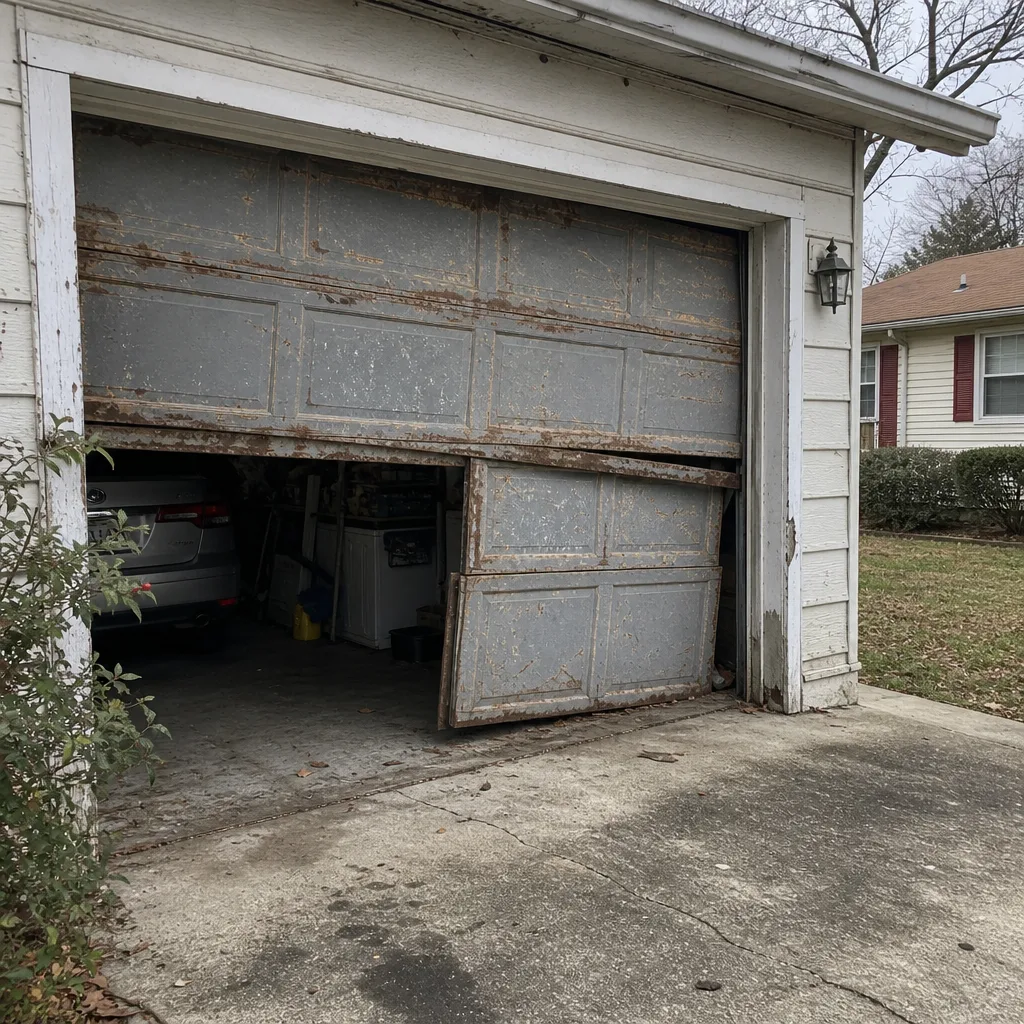
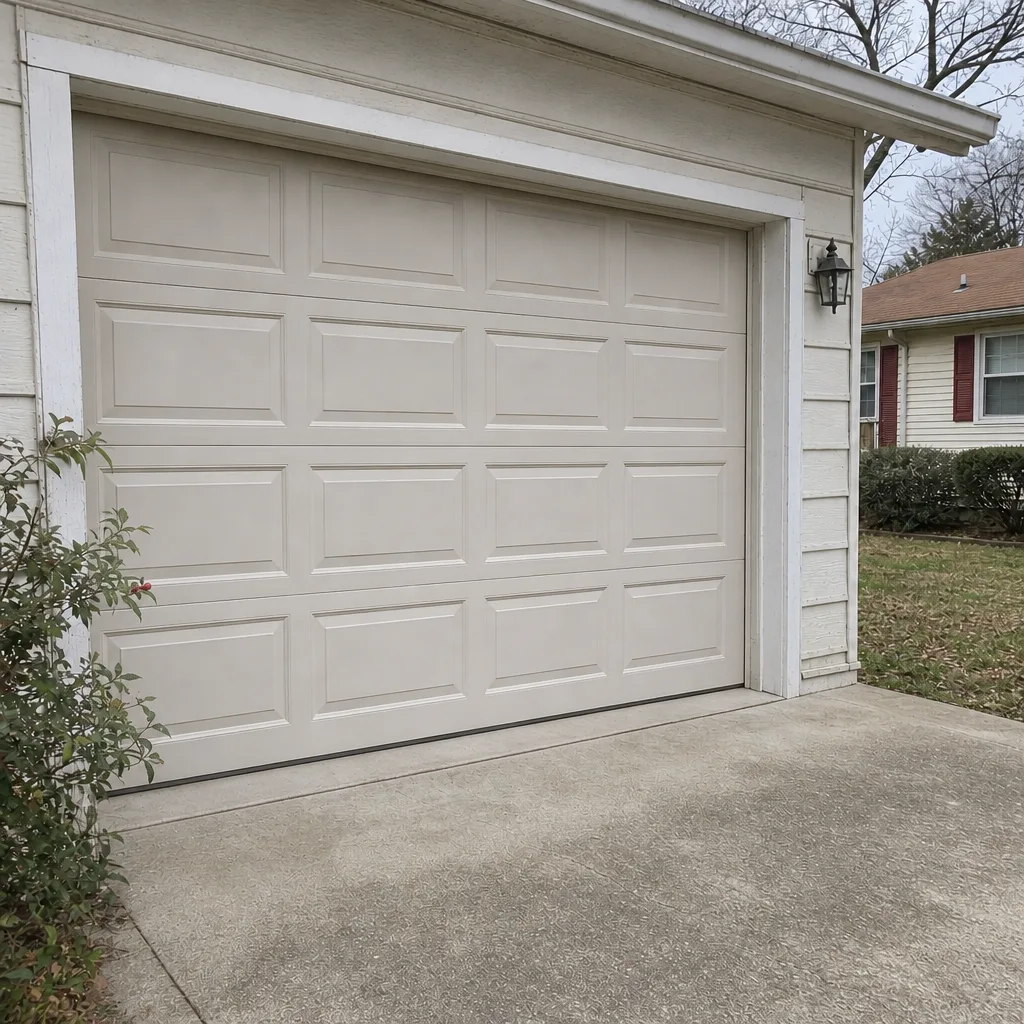
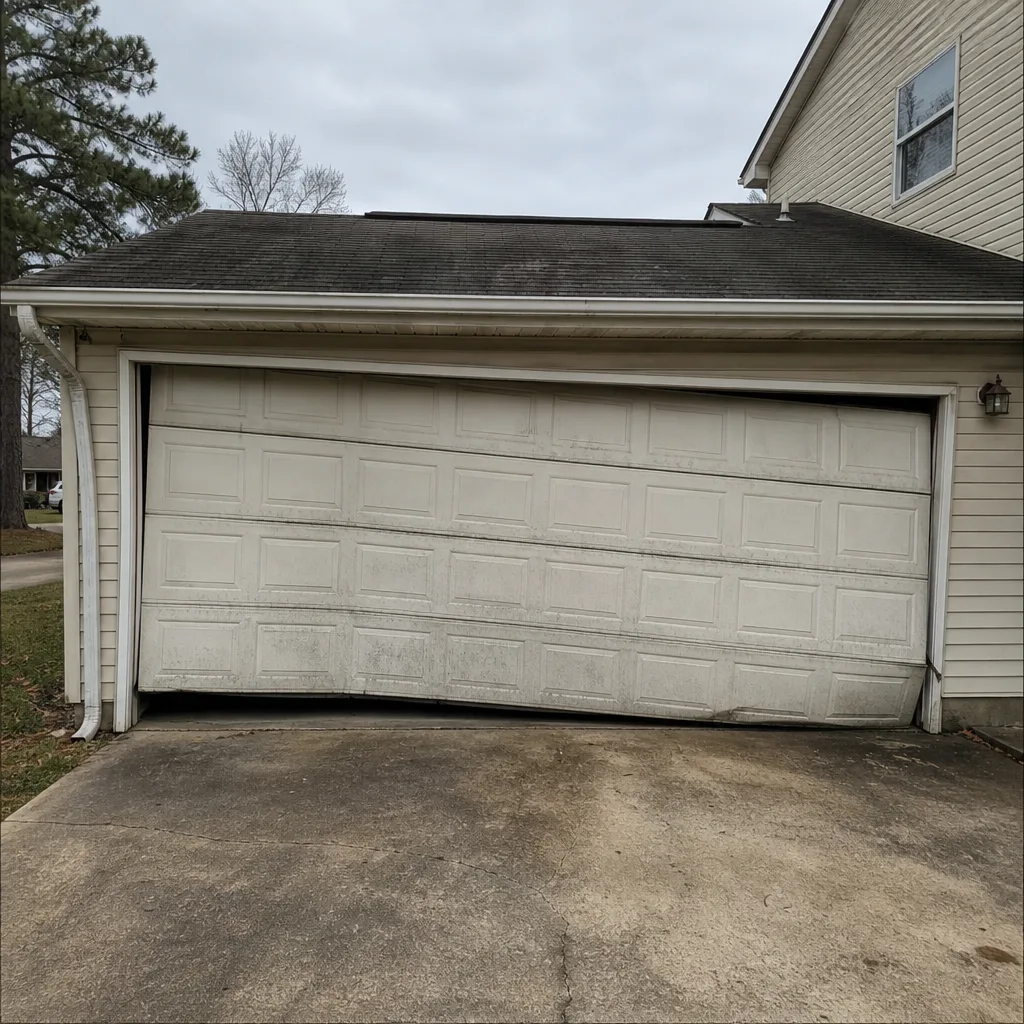
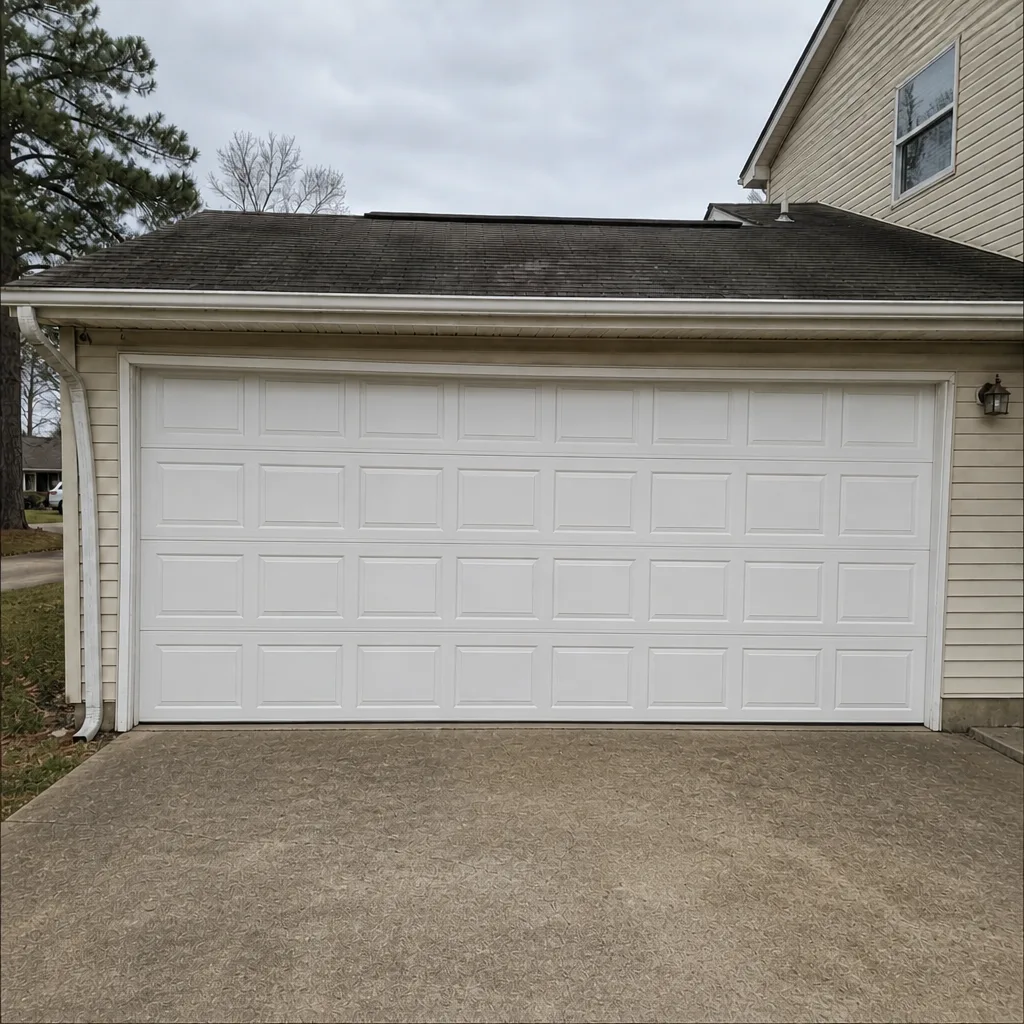
See the difference
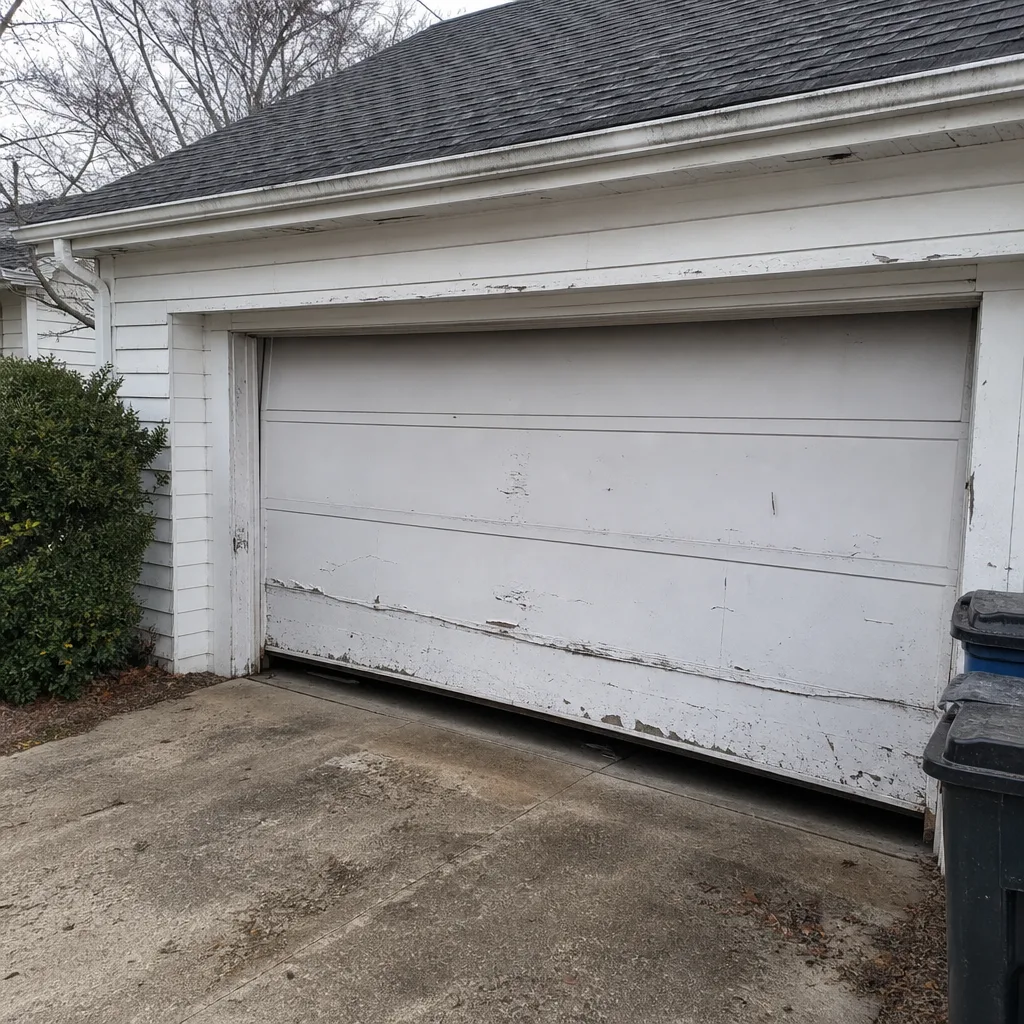 Before
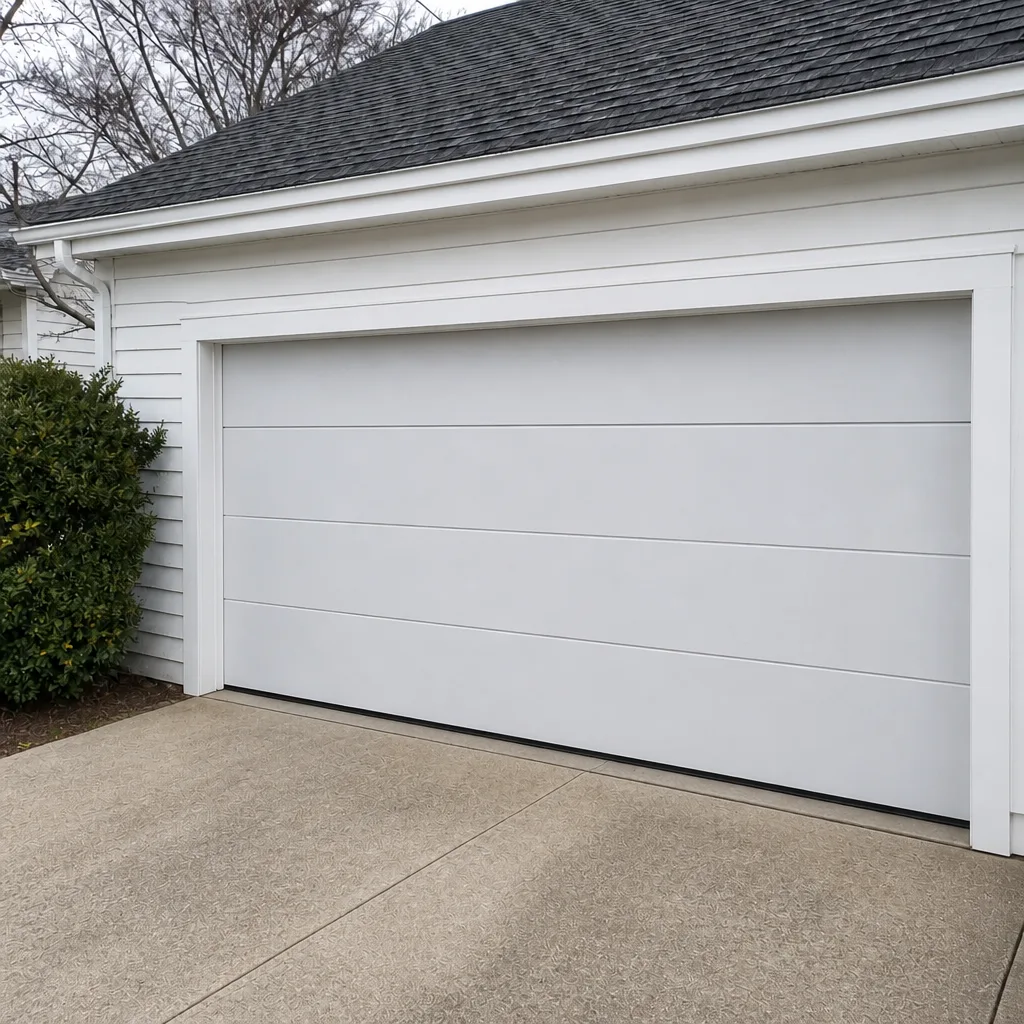 After
 Before
 After
 Before
 After