
Last updated November 21, 2026
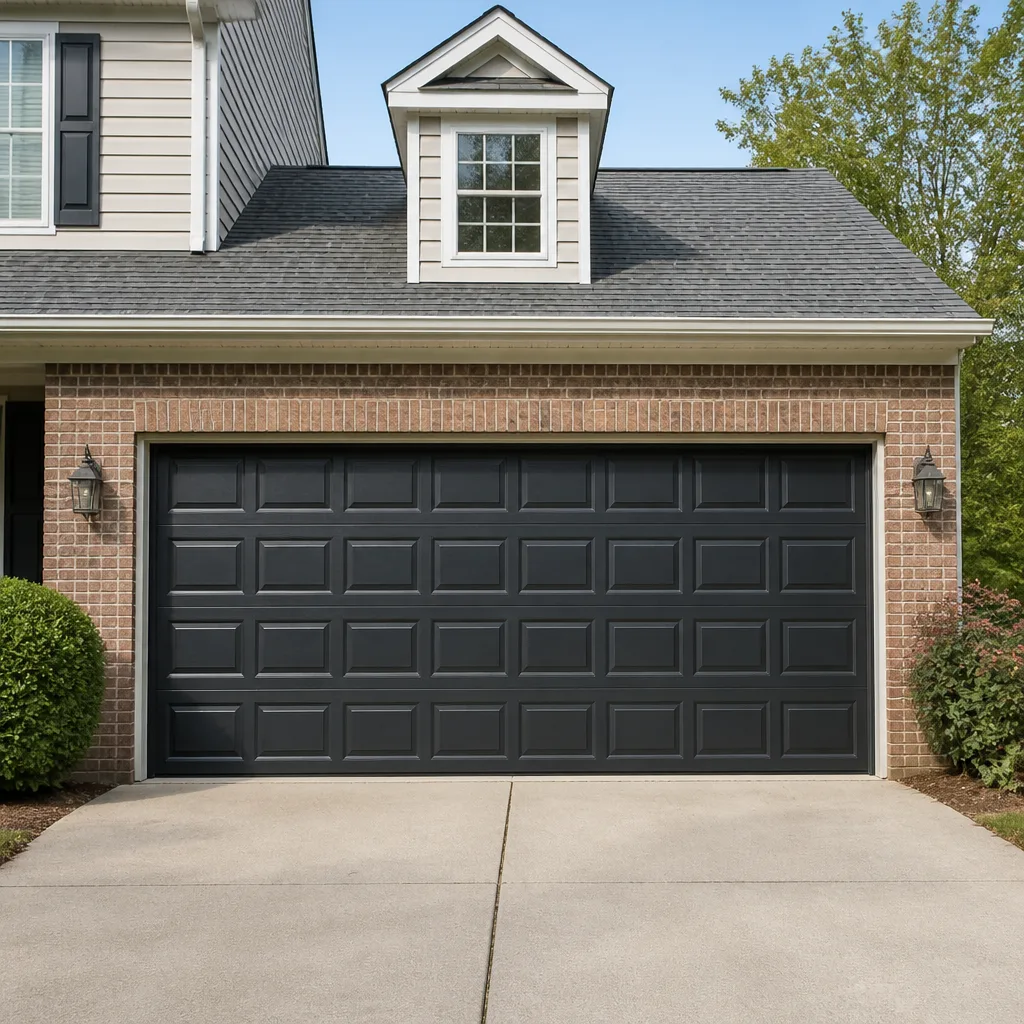 Raised-panel steel
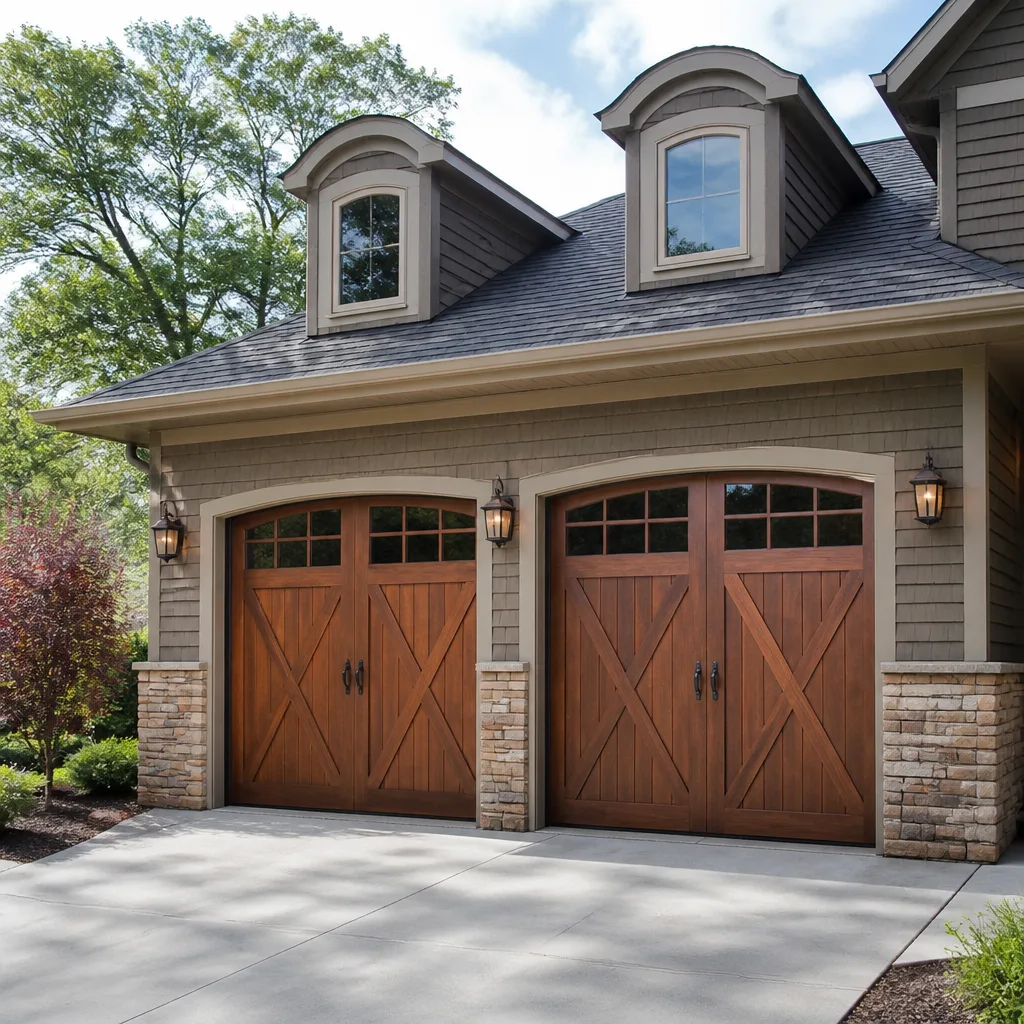 Carriage house
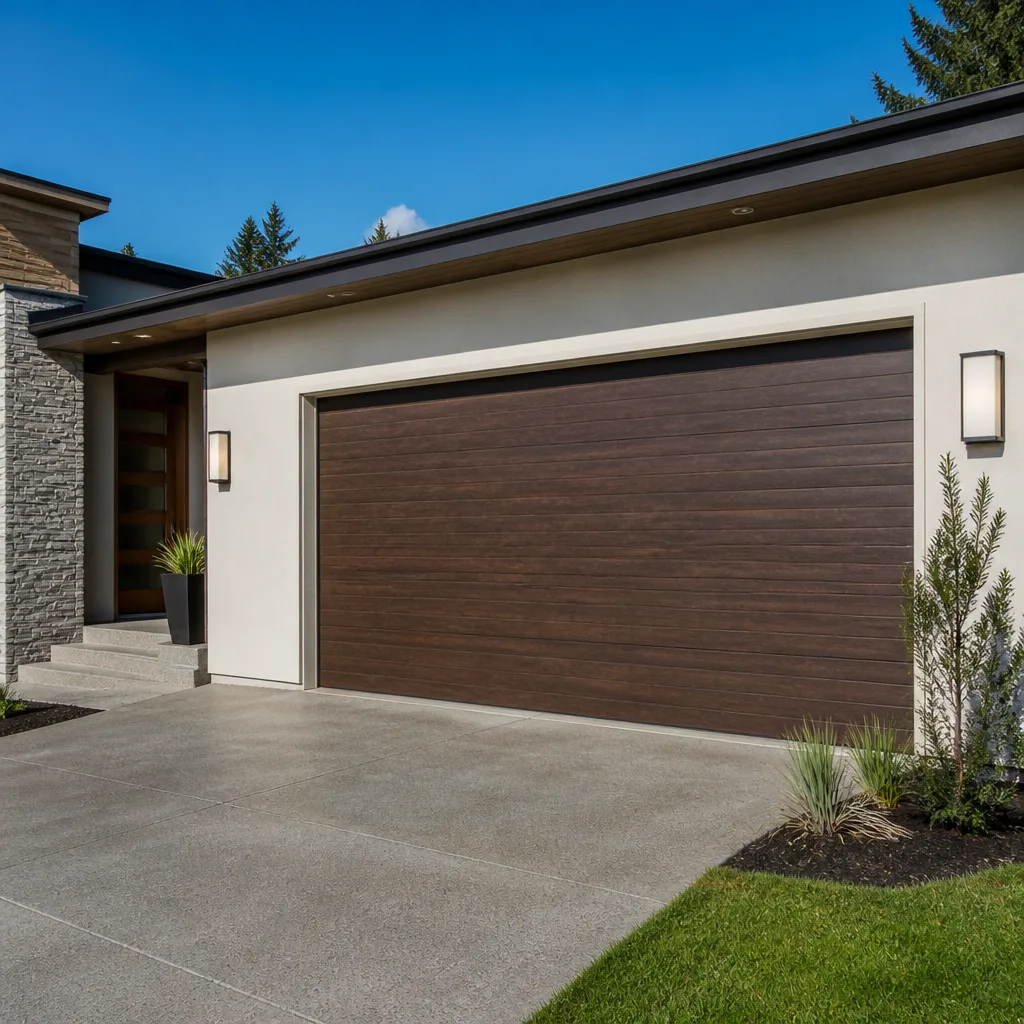 Modern flush
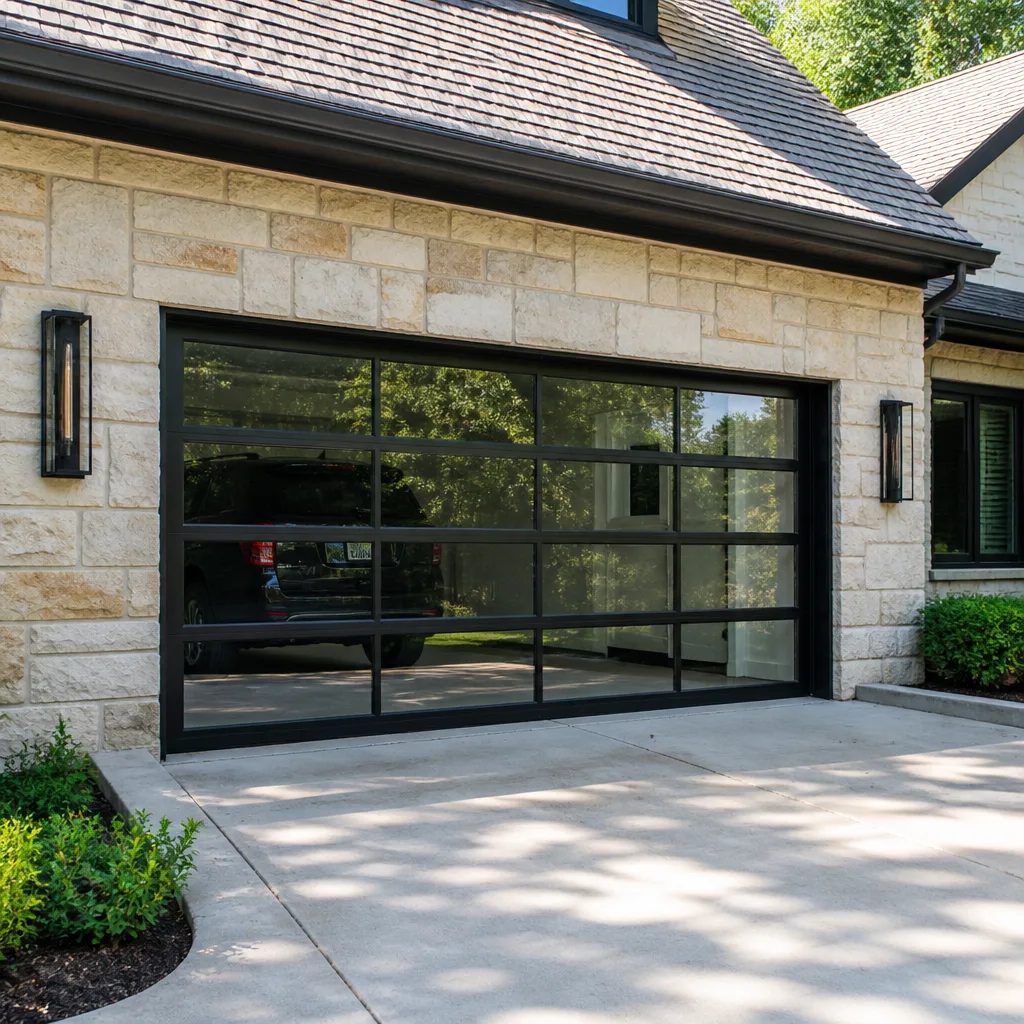 Full-view glass
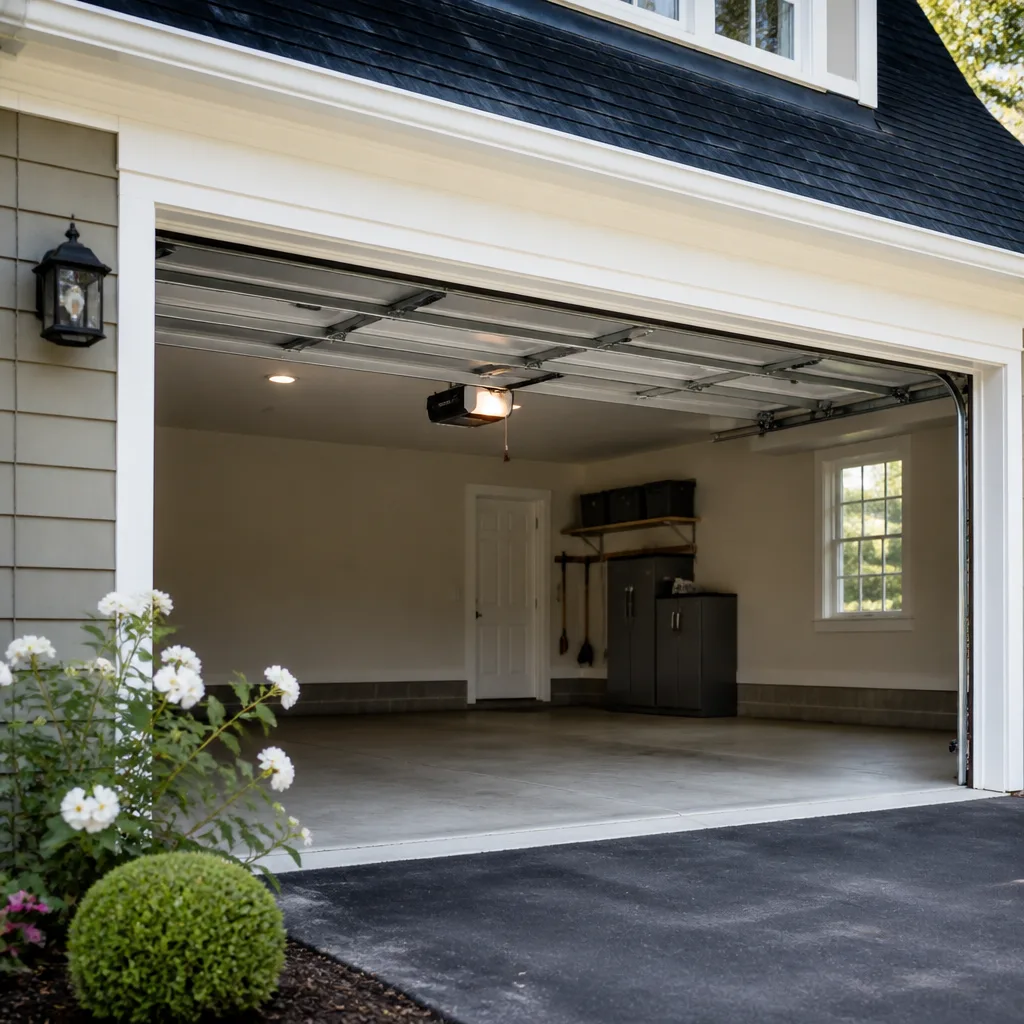 LiftMaster openers
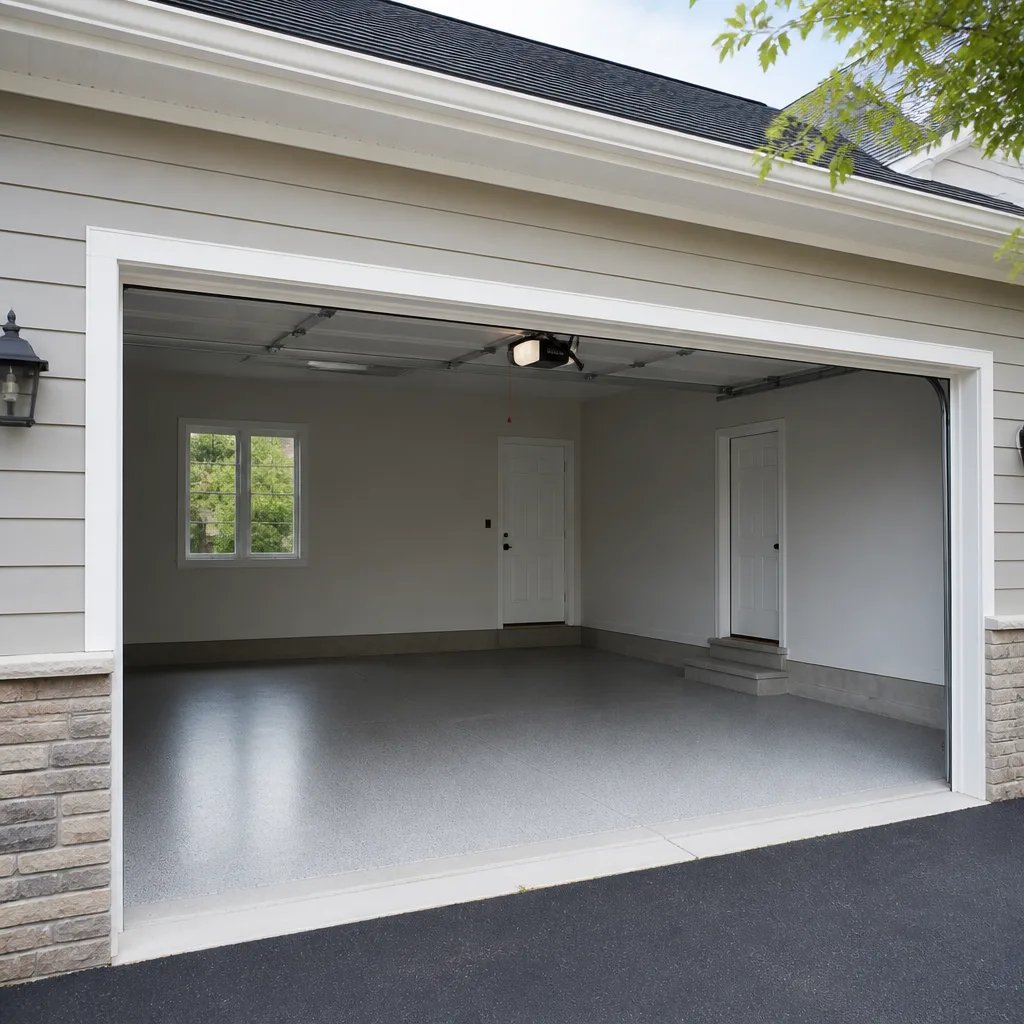 Chamberlain openers
Full 25-point door and opener safety check with every visit - springs, cables, rollers, tracks, and your LiftMaster or Chamberlain opener included
You get a price before we start. It does not change when the pro arrives.
Get your free estimateSeasonal Garage Door Care for Chesapeake: Year-Round Homeowner’s Guide
Most homeowners in Chesapeake think about their garage door twice: when it breaks and when it looks bad. That’s the trap. A garage door doesn’t fail because of one bad day. It fails because four distinct seasons each attack a different part of the system, and the damage stacks quietly. Late-summer humidity swells wooden panels. Fall temperature swings throw torsion springs out of balance. Winter cold thickens grease into paste. Nor’easters and tropical remnants hammer the bottom seal and knock tracks out of line. By the time the door jams in November or the opener quits in August, the cause was set weeks earlier. This guide walks through a care schedule built around Chesapeake’s actual weather sequence, so you can stay ahead of the failures instead of chasing them.
Quick Answer
Seasonal garage door care in Chesapeake means matching maintenance to the climate’s four-season stress pattern, not the calendar on a generic checklist. The essentials: inspect and lubricate moving parts as humidity and temperature shift each season, watch wooden panels and seals through the humid late summer, recalibrate spring balance when fall temperatures drop, and run a 24-hour post-storm inspection after every nor’easter or tropical system. A door that’s adjusted and lubricated on that rhythm avoids the clustered breakdowns that show up every November and every August.
Styles & brands we work with
- Raised-panel steel
- Carriage house
- Modern flush
- Full-view glass
- LiftMaster openers
- Chamberlain openers
Table of Contents
- Why a Chesapeake Care Schedule Looks Different
- The Month-by-Month Task Calendar
- Nor’easters and Tropical Systems: The 24-Hour Post-Storm Protocol
- Summer Opener Care in an Unconditioned Garage
- Winter Lubrication: Why Grease Fails Below 40°F
- The Spring Tension Recalibration Case
- Wood Panels, Humidity, and the Invisible Warp
- Common Mistakes to Avoid
Why a Chesapeake Care Schedule Looks Different
Chesapeake sits in a climate that does two things at once. Summers run hot and humid, with stretches where the relative humidity regularly pushes past 85% for weeks. Winters are mild but not mild enough to ignore, with temperatures that dip below freezing on enough nights to matter. The gap between those extremes is what makes garage doors here age faster than a door in a steadier climate. Metal contracts and expands. Wood swells and shrinks. Lubricant thickens and thins. Seals harden, soften, and split. Each of those shifts happens on its own timeline, and none of them announce themselves.
That’s the difference between a care schedule that works and one that just looks thorough. A generic checklist says “prep for winter” and “spring cleaning.” A schedule built for Chesapeake says: clean and treat wooden panels before the humid stretch peaks in August, because that’s when moisture absorption does permanent damage. It says: test spring balance in late October, because that’s when the first real cold snap will reveal a door that was perfectly adjusted in April but has drifted out of balance. It says: inspect track alignment and bottom seals immediately after any storm with sustained wind, because a door that looks fine can have a bent track or a separated seal that won’t show up until the first hard freeze.
We work on garage doors across Chesapeake every week, and the pattern holds. Failures cluster. Early winter and late summer are when we hear from the most homeowners, and both waves trace back to something that could have been caught a month earlier. That’s what this guide is built to prevent.
What Makes Hampton Roads Weather Hard on Doors
- Humidity swings: Weeks above 85% in late summer, then a fast drop into fall. Wood and seals respond to every swing.
- Thermal cycling: Cold nights and warm days through fall cause repeated metal contraction and expansion in the torsion shaft and tracks.
- Freeze-thaw cycles: Water gets into small gaps, freezes, and widens them. Bottom seals and threshold areas take the hit.
- Storm systems: Nor’easters and tropical remnants bring sustained wind and driving rain that stress bottom seals, weatherstripping, and track alignment.
- Unconditioned garages: Attached garages here get no climate control, so the door and opener see the full outdoor temperature and humidity range.
The Month-by-Month Task Calendar
A useful maintenance calendar is driven by thresholds, not by habit. Below is the sequence we recommend for Chesapeake homeowners, keyed to the temperature and humidity conditions that actually cause problems here. Adjust the timing slightly year to year based on when the seasons shift, but keep the order.
- March (spring warm-up): Wash and inspect the door face. Clean out the tracks with a dry brush and check for debris or rust. Test the balance by hand (see the recalibration section). Lubricate hinges, rollers, and the torsion shaft with a light, low-temperature-tolerant lubricant. This is also the right time to check the opener’s safety reverse feature and test the photo-eye alignment.
- April to May: Inspect and clean bottom seals and side weatherstripping. Look for cracks, gaps, or hardened rubber. Clean and re-treat wooden panels before the humid season. Check all bolts and fasteners for tightness after winter.
- June: Confirm the opener’s force settings and travel limits are correct before the heaviest heat arrives. Check that ventilation in the garage is adequate (see the summer opener section). Clear any obstructions around the door’s travel path.
- July to August (peak humidity): Watch wooden panels for swelling or binding at the seams. Listen for grinding or scraping. Re-lubricate if the door sounds dry or squeaky. Run the door through a full open-close cycle weekly and note any change in speed or sound.
- September to October (temperature drop): After the first cold snap, retest the balance. This is the month most spring tension issues surface. Check and replace worn weatherstripping before winter. Re-lubricate with a low-temperature lubricant rated for below 40°F. Test the opener’s sensors and safety features again.
- November to February (winter): Update lubrication as temperatures drop further. Clear any ice or snow from the bottom seal and threshold. Test the door’s manual release. Watch for frozen or stiff seals, and check for drafts around the perimeter.
Nor’easters and Tropical Systems: The 24-Hour Post-Storm Protocol
Storm damage to a garage door rarely announces itself with a dramatic break. It shows up as a bottom seal that’s been pushed partially loose, a track that’s been nudged out of alignment, or a panel that’s absorbed wind-driven water and started to delaminate. Nor’easters and tropical remnants are the two storm types that hit Chesapeake hardest, and both deliver sustained wind and driving rain that stress the parts a garage door is weakest at: the bottom seal, the perimeter weatherstripping, and the track alignment.
The 24-hour post-storm inspection protocol is simple, and it’s the single most useful habit on this list.
- Within a few hours of the storm passing: Look at the door from inside and outside. Check for water intrusion along the bottom, sides, and top. Look for bent or displaced tracks, and check that the door closes fully and evenly.
- Within 24 hours: Run the door through a full cycle. Listen for new sounds: scraping, grinding, or a change in speed. Check the bottom seal for tears or separation. Inspect wooden panels for swelling, especially at the seams and along the bottom edge.
- Within 48 hours: If anything looks off – a track that’s not parallel, a seal that’s pulled loose, a panel that’s bound at the seams – stop operating the door and have it inspected. A slightly bent track can become a jammed door within a few cycles.
If your door has been damage-affected by a storm, the right move is a professional inspection rather than continued operation. That’s where local garage door repair comes in; a technician can check track alignment, seal condition, and panel integrity before a small problem becomes a door that won’t close. Chesapeake homeowners who run this protocol after every storm catch far more problems early.
Summer Opener Care in an Unconditioned Garage
Your garage opener is a small computer, and it lives in a room that gets no air conditioning and can hit temperatures well into the triple digits on a hot Chesapeake afternoon. That heat buildup is hard on the logic board, the most expensive and least repairable part of any opener. The board is where the travel limits, force settings, and safety logic live, and heat degrades the components over time. Whether your opener is a LiftMaster, a Chamberlain, a Genie, a Craftsman, or a Raynor, the heat problem is the same.
Summer opener care is mostly about reducing heat stress and keeping the electronics clean.
- Clear the vents: Most openers have vents on the housing. Dust and cobwebs can block them. A quick pass with a dry cloth or a soft brush keeps airflow moving.
- Check the surroundings: Make sure nothing is stored against the opener or the ceiling around it. Air circulation matters.
- Ventilate the garage: If your garage has a window, a vent, or a side door, crack it on the hottest days. Even modest airflow reduces the peak temperature the opener sees.
- Watch for symptoms: A door that stops halfway, reverses unexpectedly, or responds slowly to the remote in hot weather may be showing early logic board stress. Have it checked before it fails completely.
- Keep the photo-eyes clean: Dust and heat haze can affect the safety sensors. Wipe them down and confirm the alignment.
If your opener is showing heat-related symptoms, an inspection is cheaper than a replacement. Our garage door opener repair service covers the full range of opener brands, so a technician can diagnose whether the issue is the logic board, the sensors, or something else entirely. A worn opener is often repairable; a failed one usually isn’t.
Winter Lubrication: Why Grease Fails Below 40°F
Standard garage door grease is built for mild temperatures. Below about 40°F, it thickens and stops doing its job. Instead of coating the moving parts, it turns into a sticky paste that adds drag to the rollers, hinges, and torsion shaft. That drag is hard on the opener and hard on the springs, and it’s the reason doors that ran smoothly all summer start groaning in December. Chesapeake winters aren’t brutal, but they regularly drop below 40°F on winter nights, which is exactly the range where standard grease starts to fail.
What actually performs in Hampton Roads winters is a low-temperature lubricant, typically a silicone-based spray or a synthetic lubricant rated for cold temperatures. Those stay fluid below freezing and don’t attract dust the way grease does. The application matters as much as the product.
- Clean first: Wipe off old grease and grime from the hinges, rollers, and torsion shaft with a dry cloth. New lubricant won’t stick to dirty surfaces.
- Apply sparingly: A light coat is enough. Over-lubricating attracts dust, which becomes grinding paste. Apply to the hinge joints, roller stems, and the torsion shaft bearings.
- Avoid the tracks: Never lubricate the tracks themselves. The rollers need to roll inside the track, not slide. Lubricant in the track causes the rollers to slip and wear unevenly.
- Reapply before the first freeze: Late October or early November is the right window in Chesapeake. The goal is to have fresh, cold-rated lubricant in place before the first hard freeze.
If the door feels unusually heavy or stiff after lubrication, the problem isn’t the lubricant. That’s a sign of a balance issue, and it points to the spring section below.
The Spring Tension Recalibration Case
Here’s a fact that surprises most homeowners: a garage door that’s perfectly balanced in April can be out of balance by October, even if nothing has broken. The reason is thermal contraction. The torsion shaft, the springs, and the tracks all contract slightly as temperatures drop. On a well-adjusted door, the effect is small. On a door that was adjusted at the edge of its tolerance in the spring, the fall contraction is enough to throw the balance off. That’s why spring issues cluster in early winter.
Testing balance is safe to do by hand, and it’s the most important check on this list.
- Disconnect the opener: Pull the manual release handle so the door moves by hand only.
- Raise the door to about halfway: Lift it slowly and let go. A balanced door should stay roughly in place.
- Test a few positions: Try the door at several heights. If it drops or rises on its own, the springs are out of balance.
- Reconnect the opener: Once you’ve noted the result, re-engage the opener.
If the door doesn’t stay put, do not attempt to adjust the springs yourself. Torsion and extension springs are under extreme tension, and improper adjustment is a leading cause of serious garage door injury and repeat failures. This is the one job on this list that always belongs to a trained professional. If your door fails the balance test in Chesapeake, call us for a proper inspection. Balancing and spring work is a job for a technician with the right tools and training, not a weekend project.
Wood Panels, Humidity, and the Invisible Warp
Wooden garage doors are beautiful and they’re the most climate-sensitive part of any door system. In Chesapeake, the critical window is late summer, when relative humidity regularly holds above 85% for weeks. That’s when wood panels absorb moisture, swell slightly, and can bind at the seams. The swelling is subtle. A door that looks fine in September can have absorbed enough moisture to warp permanently by December, when the swelling finally shows up as a panel that won’t close flush or a seam that’s pulled apart.
Wood door care in this climate comes down to moisture management.
- Seal before the humid season: Treat wooden panels with a quality sealant or finish before the humidity peaks. Late spring is the right window.
- Check seams and edges: The bottom edge and the panel seams absorb the most moisture. Inspect them regularly through the summer.
- Watch for binding: A door that suddenly needs more force to close, or that scrapes at one edge, is a door that’s swelling. Address it before it warps.
- Keep water away from the threshold: Make sure the bottom seal is intact and that water drains away from the door opening.
Wood doors from Amarr and Wayne Dalton are common in this area, and both need this moisture rhythm to hold up. The other door materials – steel from Clopay or Raynor, for example – don’t absorb moisture, but they still need the seal and track checks. The moisture rhythm just matters most for wood.
Common Mistakes to Avoid
- Lubricating the tracks. This is the most common mistake we see. The tracks should stay dry. Lubricant causes the rollers to slip instead of roll, which wears the rollers and the track unevenly. Lubricate the hinges, rollers, and torsion shaft bearings, not the track.
- Using standard grease through the winter. Standard grease thickens below 40°F and adds drag to the whole system. Switch to a low-temperature lubricant before the first freeze in Chesapeake. It’s a small change that prevents a lot of winter strain.
- Skipping the post-storm inspection. Storm damage to a track or seal is often invisible until it causes a jam. Run the 24-hour inspection after every nor’easter or tropical system, and stop operating the door if anything looks off.
- Adjusting springs yourself. Torsion and extension springs are under extreme tension. Improper adjustment is a leading cause of injury and repeat failures. This is a job for a trained professional, not a DIY project.
- Ignoring the first sign of imbalance. A door that drifts, closes unevenly, or feels heavier than usual is telling you something. Addressing it early is cheaper than addressing the spring or opener failure it leads to.
- Treating wooden panels like steel. Wood absorbs moisture and steel doesn’t. Wooden doors in Chesapeake need sealant and seam checks through the humid season; skipping that step is how panels warp permanently.
- Letting the opener’s vents clog. A dusty, blocked opener runs hotter and fails sooner. A quick seasonal cleaning of the housing vents is cheap insurance for the logic board.
When to Call a Professional
Some seasonal care is safe to do yourself: cleaning tracks, wiping down the opener, checking seals, testing balance. Other situations belong to a trained technician. If your door fails the balance test, if a spring looks stretched or broken, if the door jams or reverses unexpectedly, if you notice a bent track or a panel that won’t close flush, or if your opener is showing heat-related symptoms in the summer, stop operating the door and have it inspected. The same goes for any door that’s been through a storm and doesn’t look right after the 24-hour check. Chesapeake Garage Door Repair Experts offers free estimates in Chesapeake – call (877) 419-7485. We answer 24/7. Fast dispatch from 7am to 7pm, Sunday through Friday. Our technicians have up to 9 years of experience, and we work on the equipment from eight leading brands, including Amarr, Wayne Dalton, Craftsman, and Raynor.
See the difference
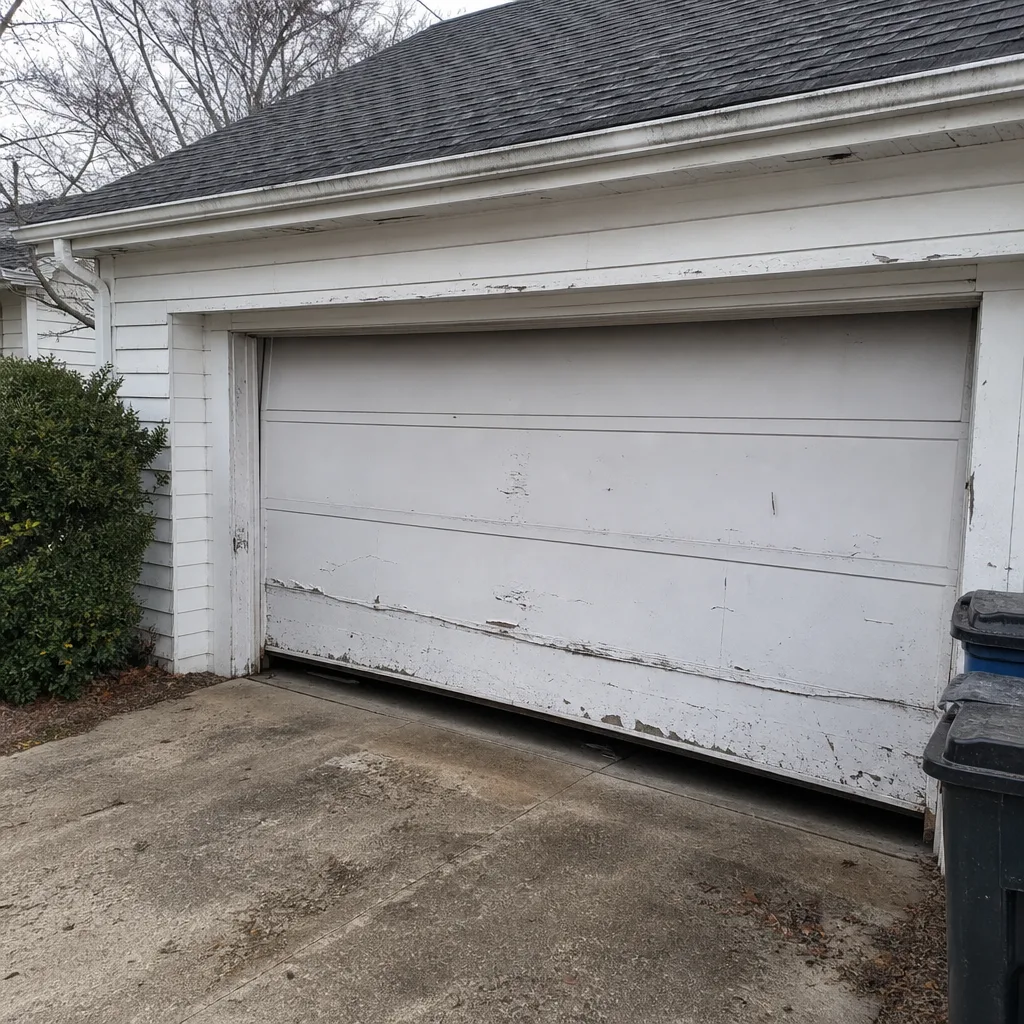 Before
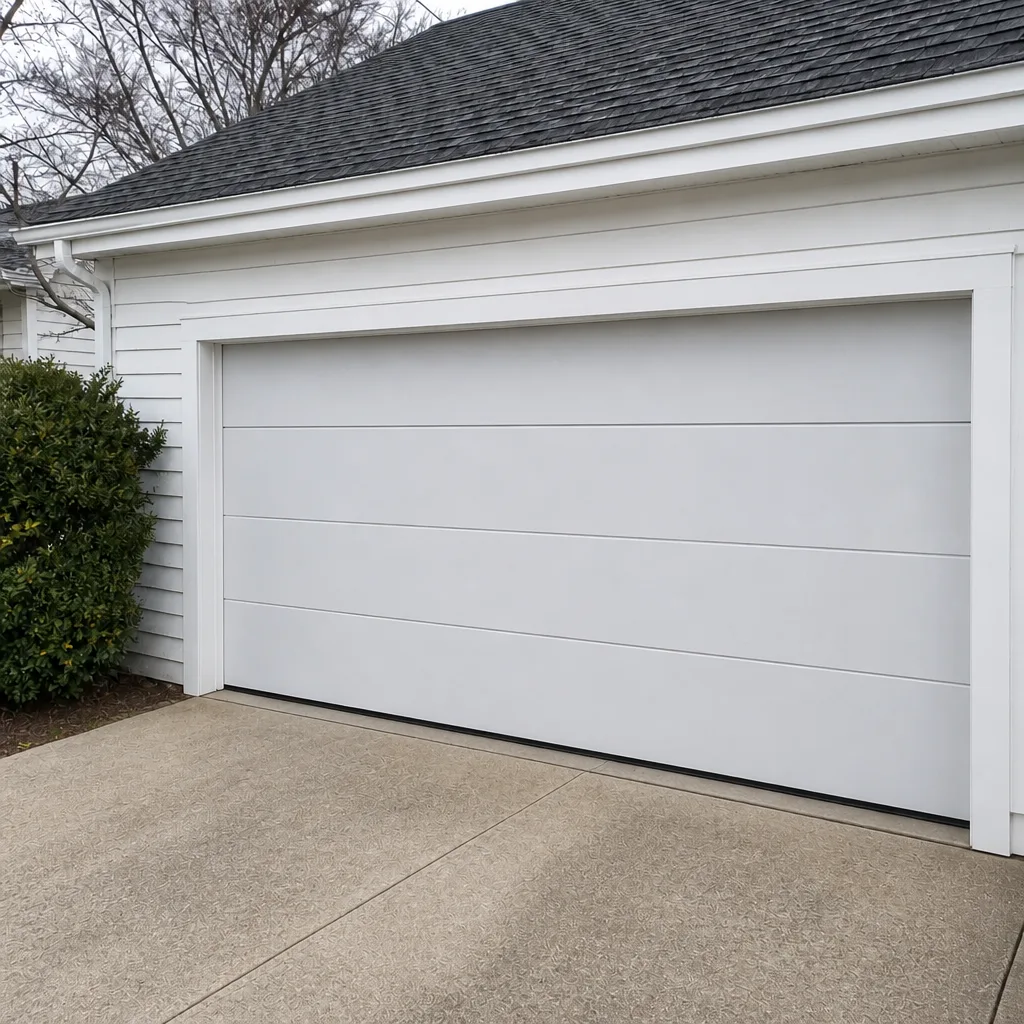 After
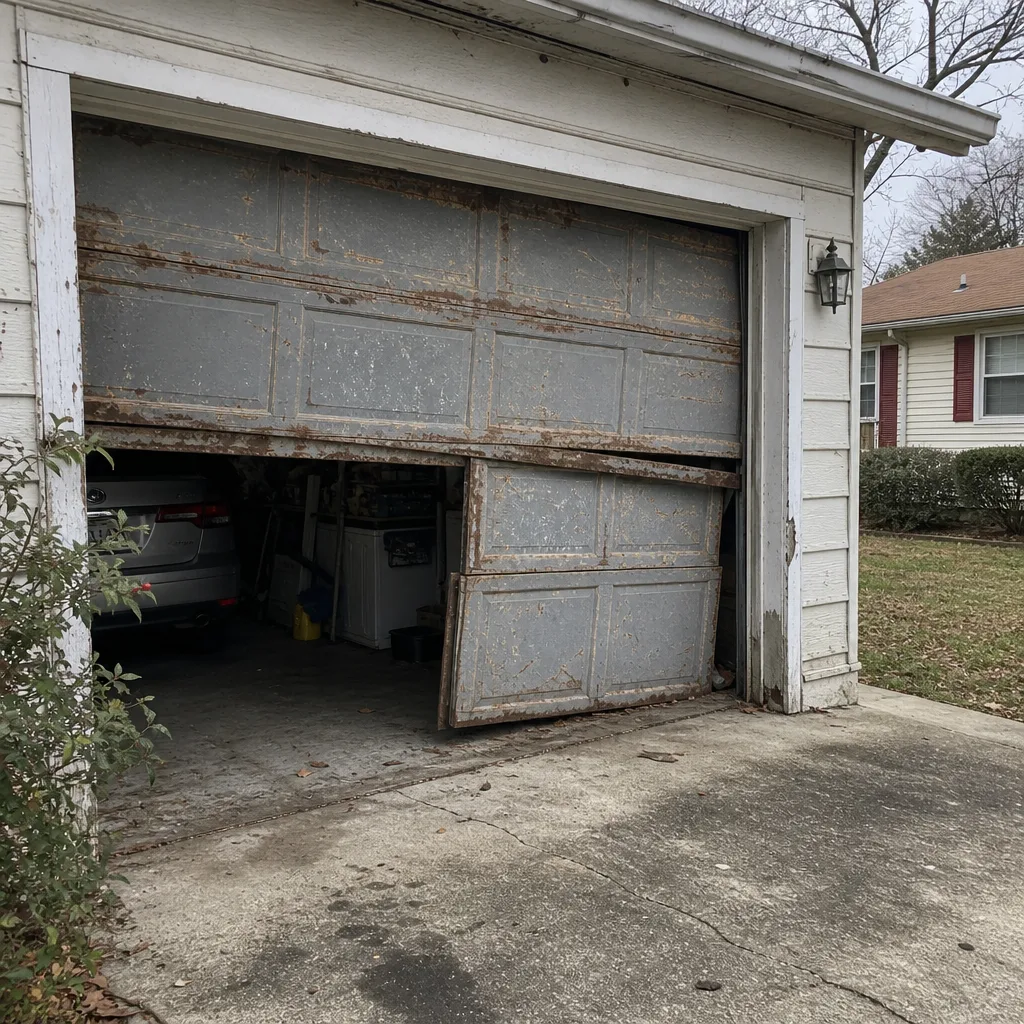 Before
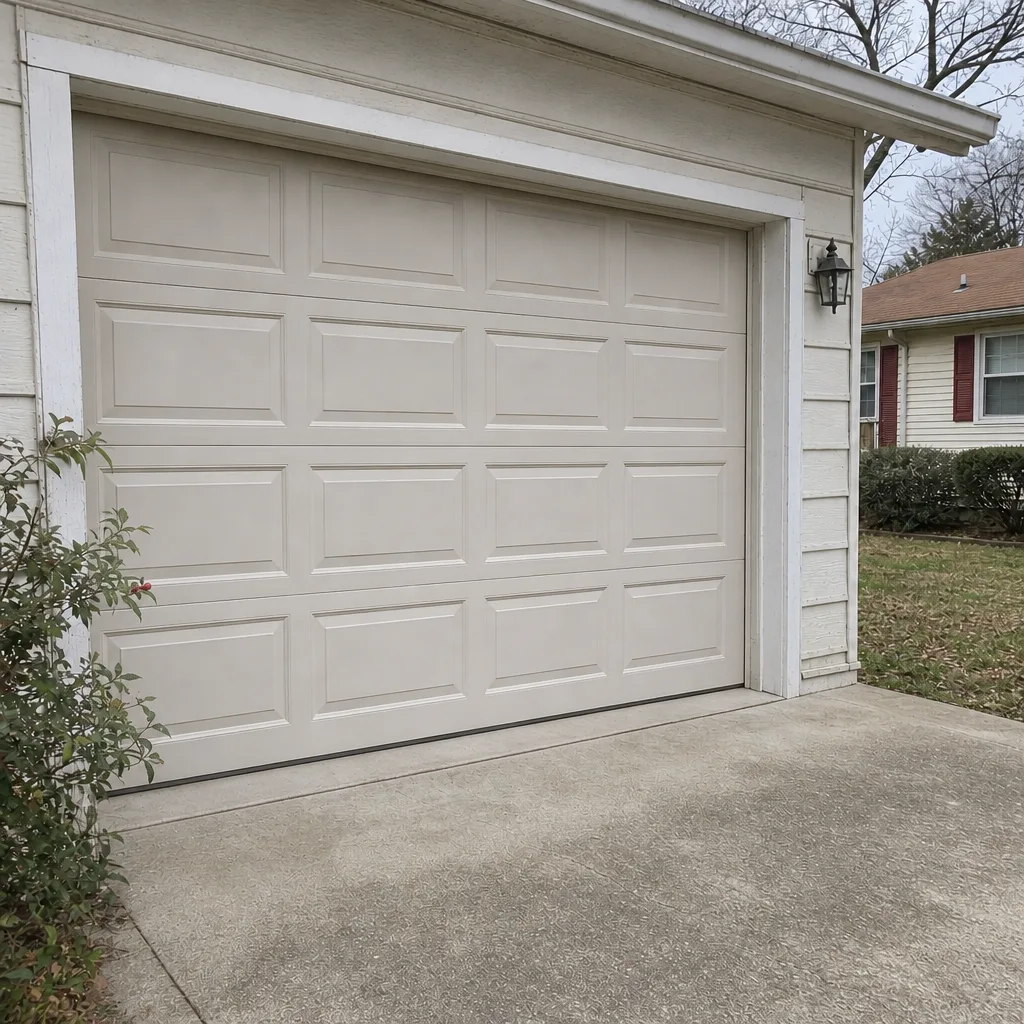 After
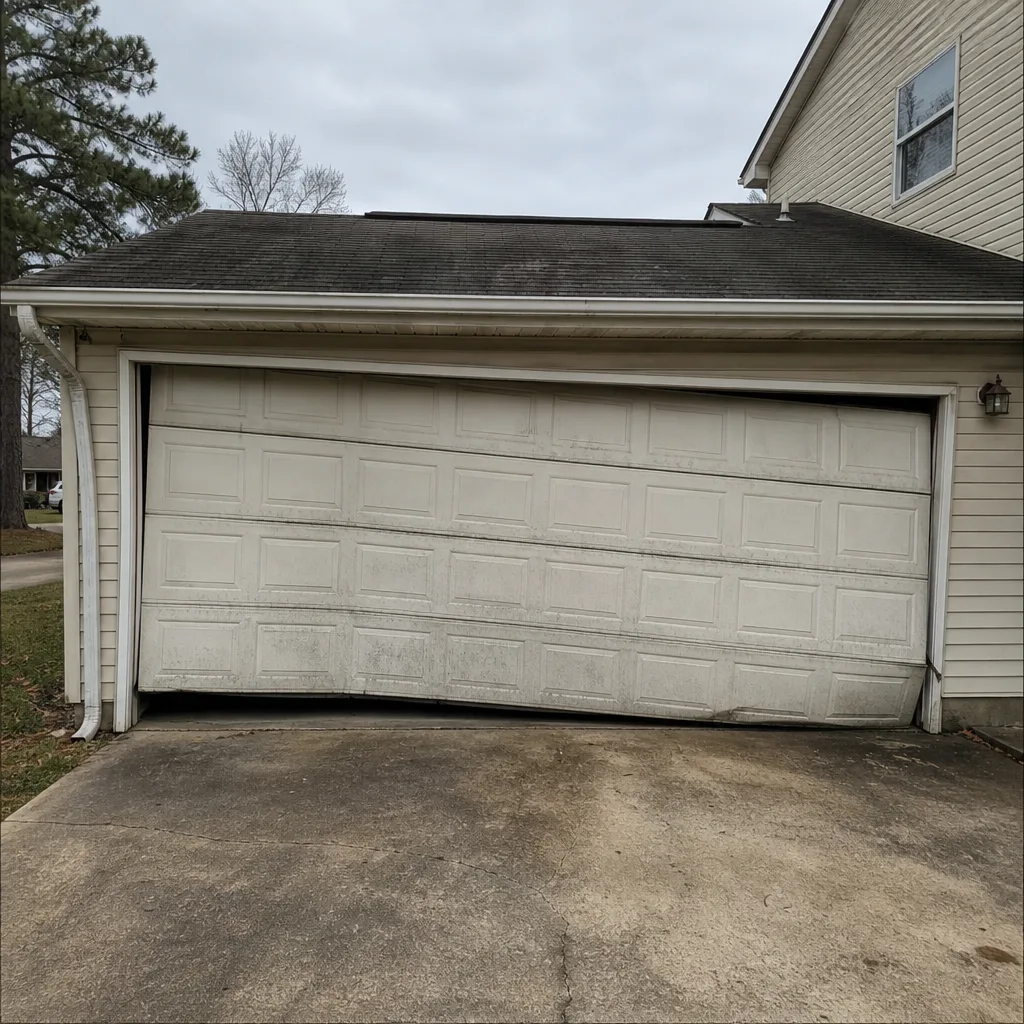 Before
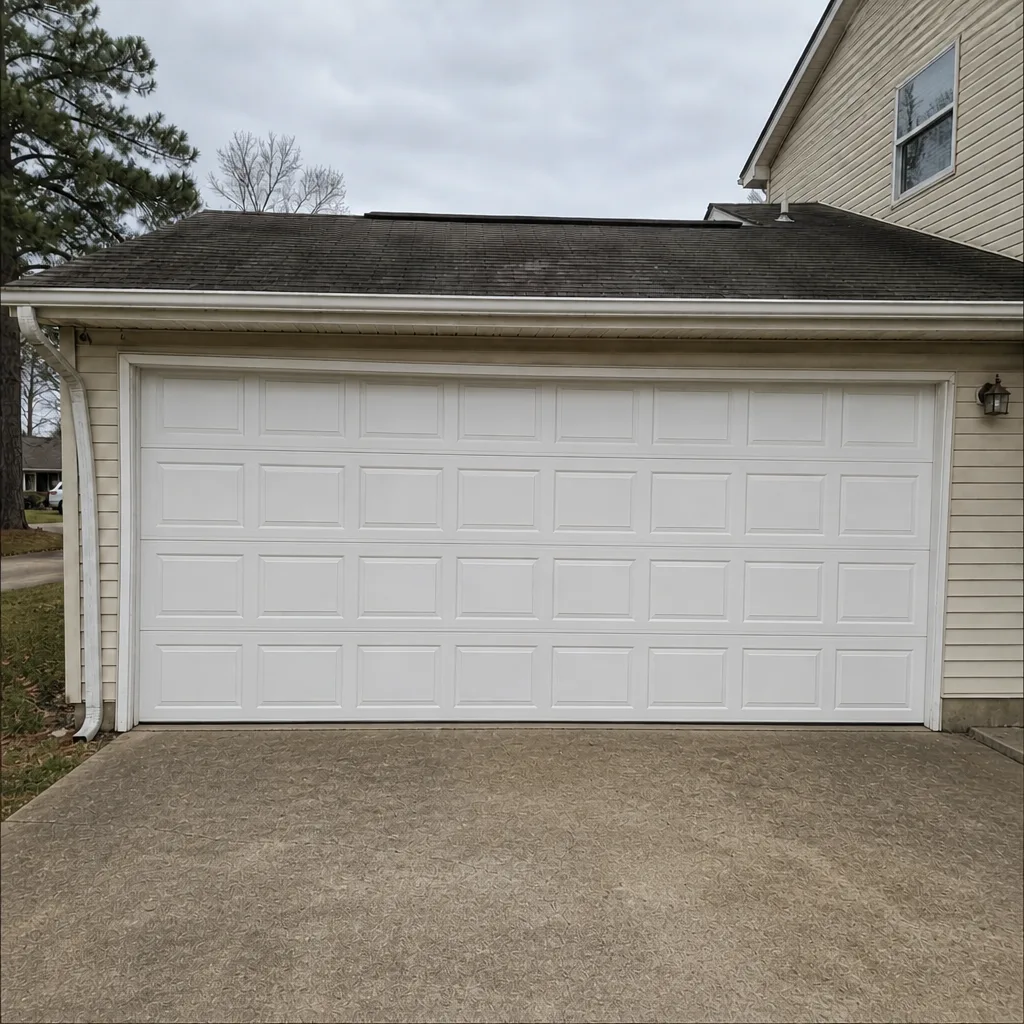 After
Frequently Asked Questions
Twice a year as a baseline, with seasonal adjustments in between. The two anchor points are late spring, before the humid season peaks, and late fall, before the first freeze. In between, run a quick visual check monthly and a full post-storm inspection after any nor’easter or tropical system. That rhythm catches the balance and lubrication issues that cause most winter and summer failures.
Cold thickens standard grease and causes metal components to contract slightly. Both add drag. Switch to a low-temperature lubricant before the first freeze, and test the door’s balance in October. If the door still feels heavy after lubrication, the springs may be out of balance, which is a job for a professional. Call (877) 419-7485 for an inspection.
It can be. Late-summer humidity in Chesapeake regularly holds above 85% for weeks, and wood panels absorb moisture and swell during that stretch. If the door is binding at the seams, it may already be absorbing enough moisture to warp permanently. Check the sealant and the panel edges, and have it inspected if the binding continues. Call (877) 419-7485 for a free estimate.
Run the 24-hour post-storm inspection: check for water intrusion along the seals, look for bent or displaced tracks, and run the door through a full cycle while listening for new sounds. If anything looks off, stop operating the door and have it inspected. A slightly bent track can turn into a jammed door within a few cycles. Call us if you’re not sure what you’re seeing.
Yes, for the hinges, rollers, and torsion shaft bearings. Use a light, low-temperature lubricant and apply it sparingly. Do not lubricate the tracks themselves. Do not attempt to adjust the springs; torsion and extension springs are under extreme tension and improper adjustment is a leading cause of injury. If the door feels out of balance, call (877) 419-7485 for a professional inspection.
Heat buildup in an unconditioned garage stresses the opener’s logic board, especially in an attached garage with no airflow. Clear the vents, keep stored items away from the opener, and ventilate the garage if you can. If the door still acts up in hot weather, the logic board may be failing. Have it inspected before it quits entirely. Call (877) 419-7485 for a free estimate.
The Bottom Line
Seasonal garage door care in Chesapeake isn’t a generic fall-and-spring checklist. It’s a rhythm built around the climate’s four-season stress pattern: moisture management for wood through the humid summer, cold-rated lubrication and balance checks before the first freeze, and a 24-hour inspection protocol after every storm. The parts that fail most often – springs, seals, tracks, and opener logic boards – all fail on a schedule, and that schedule is predictable. Stick to it and you’ll avoid the clustered November and August breakdowns that catch most homeowners off guard. If a check turns up a problem, or you’d rather have a professional handle it, we’re here.
Contact Us for a Free Estimate
Whether you need seasonal maintenance, spring repair, opener service, or a full new-door installation, Chesapeake Garage Door Repair Experts can help. We work on equipment from eight leading brands, including Amarr, Wayne Dalton, Craftsman, and Raynor, and we handle repair, opener repair, spring repair, and new installation in one place. The price is quoted and agreed before any work starts, and the written estimate sets the final price. Ready to schedule? Reach out for local garage door installation or service, or start with Chesapeake Garage Door Repair Experts. Call (877) 419-7485 for a free estimate. We answer 24/7. Fast dispatch from 7am to 7pm, Sunday through Friday.
Written by the team at Chesapeake Garage Door Repair Experts.