
Last updated November 21, 2026
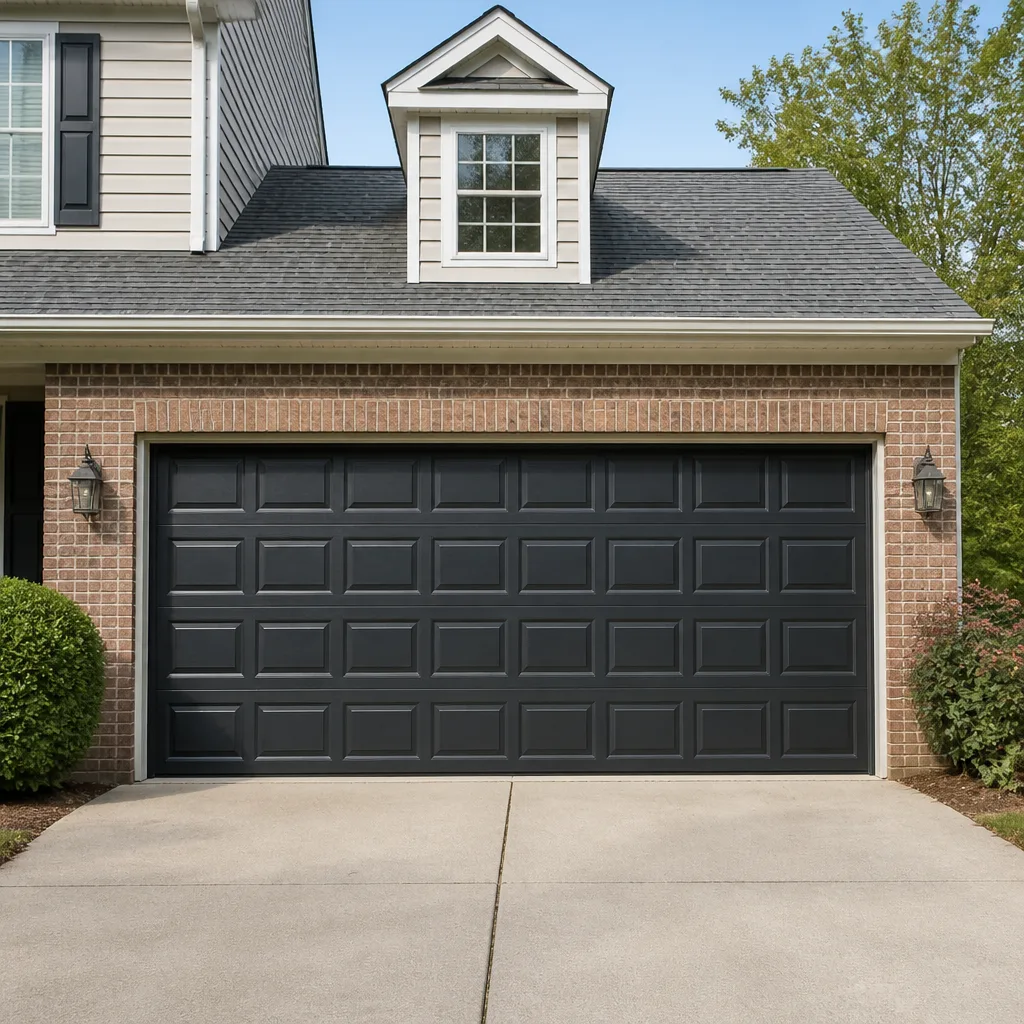 Raised-panel steel
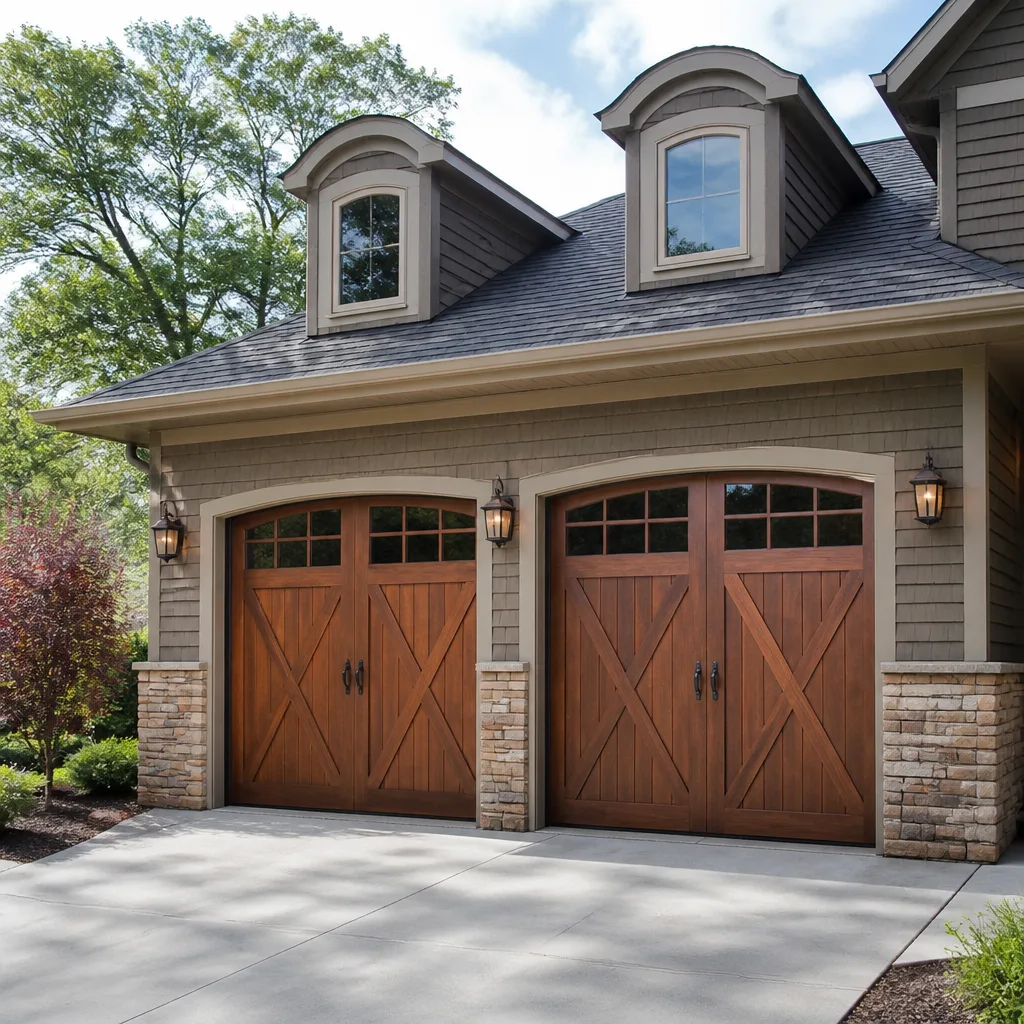 Carriage house
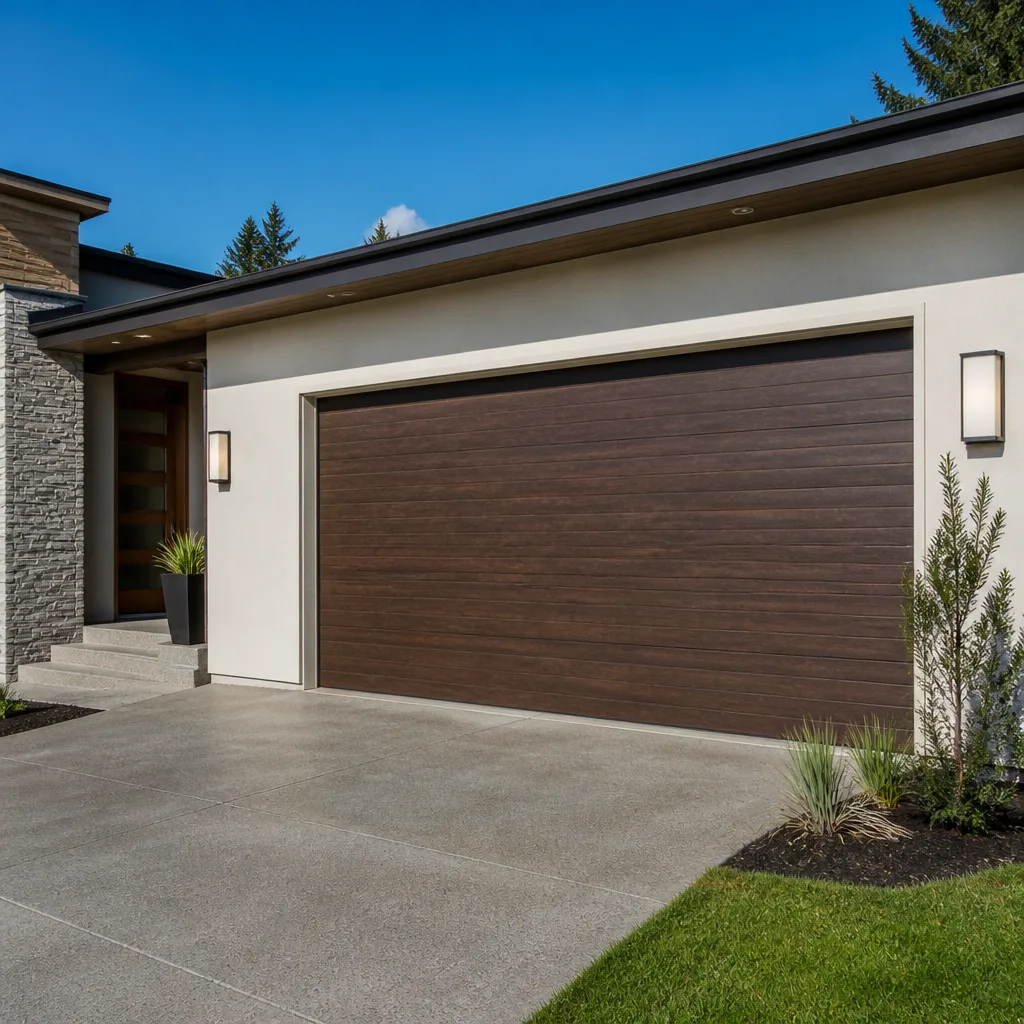 Modern flush
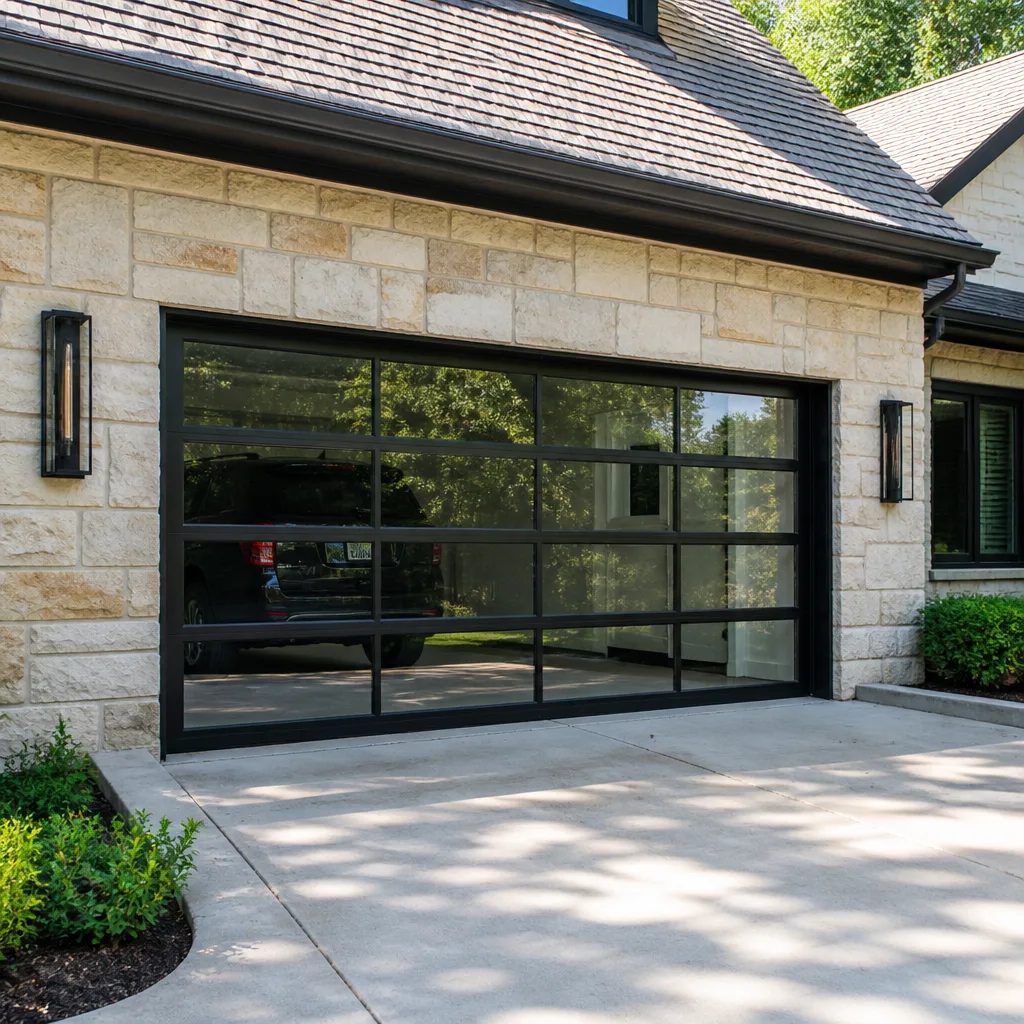 Full-view glass
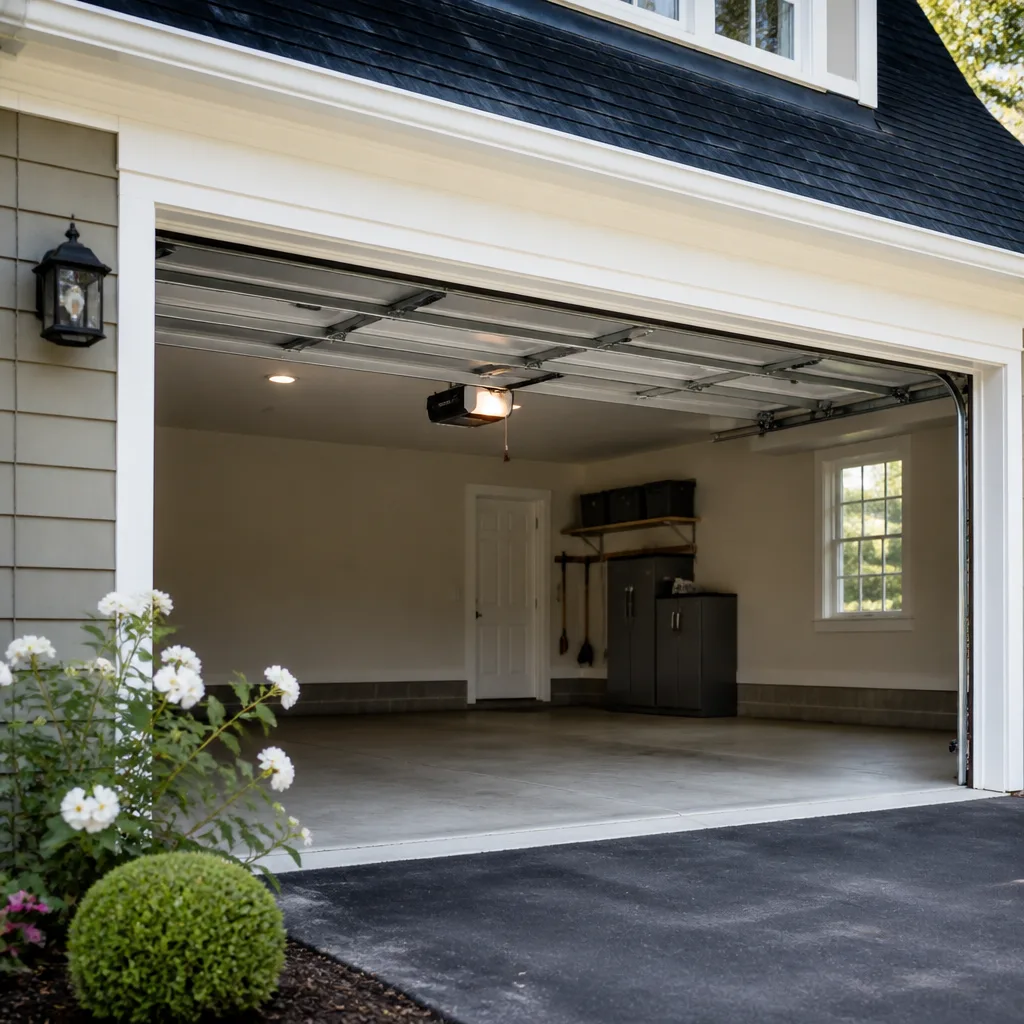 LiftMaster openers
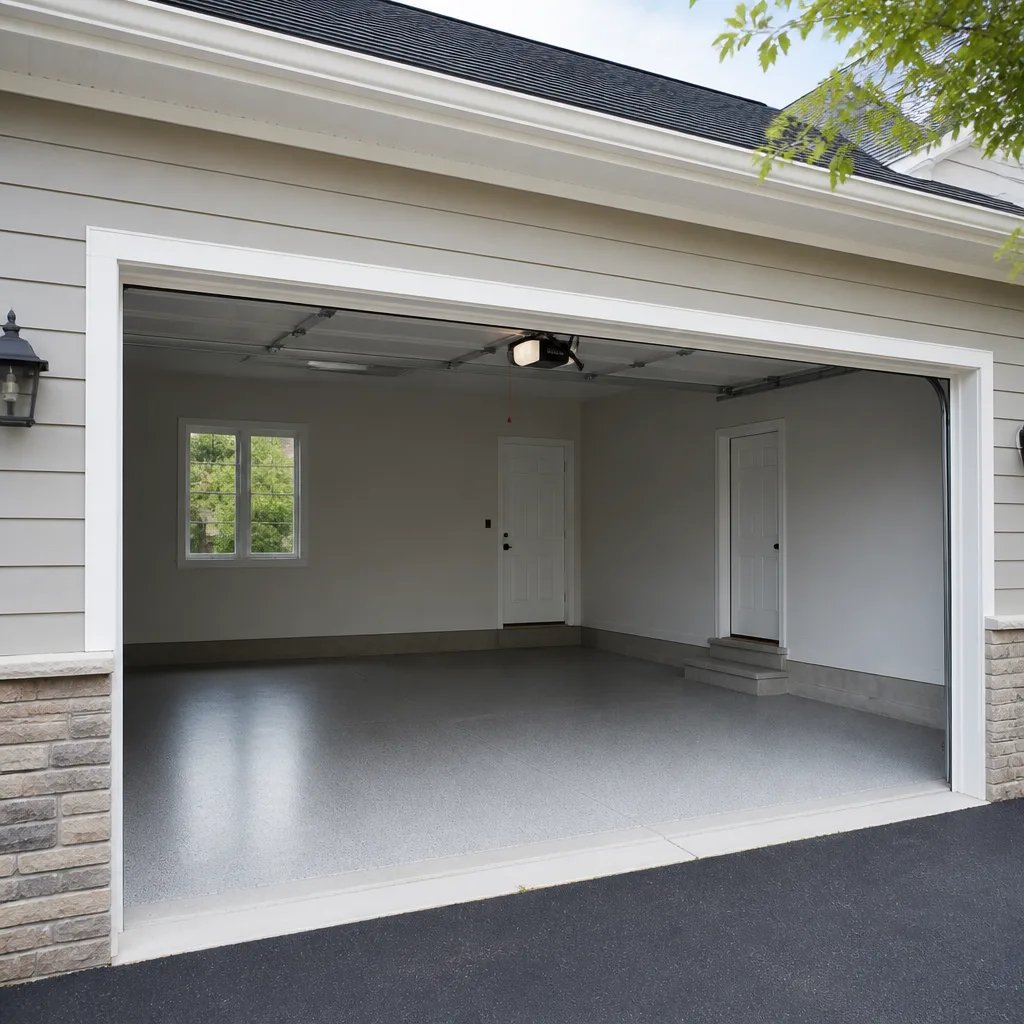 Chamberlain openers
Full 25-point door and opener safety check with every visit - springs, cables, rollers, tracks, and your LiftMaster or Chamberlain opener included
You get a price before we start. It does not change when the pro arrives.
Get your free estimateGarage Door Permits, Codes & Inspections in Chesapeake, VA: What You Need to Know
Here’s the part that surprises most Chesapeake homeowners: a garage door swap can go years without a permit and never cause a problem, until a home inspector flags the missing paperwork during a sale and the closing stalls. The buyer’s lender wants a permit record. The city wants an inspection that may require opening finished walls or pulling a door that’s already hung and adjusted. That’s the trap. A garage door replacement sits in a gray zone in Chesapeake’s code, and whether you need a permit depends on what you’re actually changing. This guide walks through the Chesapeake permit triggers, the Virginia building code sections that apply, how the Development and Permits office runs the process, HOA overlays in Greenbrier, Hickory, and Deep Creek, and the correction orders that cause the most trouble. Read it before you sign anything.
Quick Answer
A garage door permit in Chesapeake is typically required when you change the door’s size, alter the opening or header, replace structural framing, or install a door with a different wind rating than the original. A straight like-for-like replacement of a door with the same dimensions and rating often qualifies without a permit. The only way to know for sure on your specific home is to call the city’s Development and Permits office and describe the exact scope before work starts.
Styles & brands we work with
- Raised-panel steel
- Carriage house
- Modern flush
- Full-view glass
- LiftMaster openers
- Chamberlain openers
Table of Contents
- When Does a Garage Door Replacement Need a Permit in Chesapeake?
- The Virginia Building Code Sections That Apply
- How Chesapeake Processes Garage Door Permits
- HOA Overlays in Greenbrier, Hickory, and Deep Creek
- What a Failed Inspection Actually Looks Like
- Why Permits Matter at Sale Time
- Common Mistakes to Avoid
- When to Call a Professional
When Does a Garage Door Replacement Need a Permit in Chesapeake?
The permit trigger almost always comes down to scope, not the fact that a door changed. Swapping a panel for panel or a section for a section at the same dimensions is standard maintenance. Cutting a new opening, raising a header, widening a two-car to fit a larger custom door, or upgrading the door’s structural performance characteristics crosses into work that touches the building envelope and needs a permit.
Here’s how to think through the trigger:
- Like-for-like replacement, same size, same rating: usually no permit. Same width, same height, same material, same wind rating as what’s coming off. The door is treated as a maintenance item.
- Size change: permit required. Any change to the rough opening, width, or height alters the header and framing.
- Header or jamb modification: permit required. Structural framing changes need inspection before the wall is closed up.
- Wind rating upgrade: permit typically required. A door rated for a higher design pressure than the original affects the anchorage and framing.
- New garage construction or conversion: permit and full plan review. The door is part of a larger scope that’s already under permit.
- Opener replacement: no permit. Openers are not part of the building code’s structural scope.
The tricky homeowner situation is a door that’s technically the same size but has a different label rating than the one it’s replacing. A Clopay door rated for a lower pressure than the original can’t legally go in the same opening without the change being documented. That’s exactly the scenario where a homeowner finds out at sale time, not install time, that a permit was needed.
The Virginia Uniform Statewide Building Code (USBC) governs this. Chapter 1 establishes the permit requirements, and Chapter 3 governs the building planning provisions including wind-related design. The USBC applies across every jurisdiction in Virginia, so a garage door installation in Chesapeake is held to the same standard as one in Virginia Beach, but how each city processes it can differ. Chesapeake’s Development and Permits office administers the permit locally, and the scope conversation starts there. When in doubt, call before the door is ordered.
The Virginia Building Code Sections That Apply
The USBC sections most relevant to a garage door installation in a Chesapeake home deal with what’s called the building thermal envelope and the structural rationalization of the opening. Translated out of code language, that means three things matter to the inspector: how the door attaches to the framing, whether the door meets the design pressure required for the site, and whether the opening preserves the rated assembly that was permitted when the home was built.
In plain language, that breaks down to:
- Attachment and anchorage. The door’s bottom bracket, hinges, springs, center bearing plate, and track anchors have to be secured to framing of adequate depth and condition. Anchor spacing has limits, and anchoring into a hollow or rotted jamb that fails to hold the required pull-out strength is a common correction.
- Design pressure and wind rating. Garage doors carry a design pressure rating that must meet or exceed what the code requires for the site. Chesapeake sits in an inland wind zone, so the required rating is lower than on the coast, but the requirement is still real, and the door’s label has to speak to it.
- Opening preservation. If the wall between the garage and the house was built with a fire-rated separation, the door installation must not compromise that rating. This usually shows up in commercial or attached-garage scopes, but it’s worth flagging for a homeowner whose garage shares a wall with the living space.
- Track and header alignment. Any structural change to the header or the framing around the opening gets inspected for span and loading before the wall is closed. This is the inspection that gets missed when a homeowner does a weekend project and later hangs drywall.
None of this is homeowner DIY territory. The USBC language is dense, the design pressure math isn’t something to eyeball, and the spring and cable components involved in any door install are the most dangerous hardware in the system. A trained technician handles the code side and the safety side at once, which is also why a licensed and insured local pro is the right call when a permit is in scope. We can work with your insurer on any resulting claim, but the cleaner path is to have the scope reviewed before the door comes off the truck. Chesapeake Garage Door Repair Experts handles this kind of pre-install scoping as part of our garage door installation work throughout the city.
How Chesapeake Processes Garage Door Permits
Chesapeake’s Development and Permits office runs residential garage door permits through the standard residential building permit process. The city accepts applications, reviews the scope, issues the permit, and requires inspection after the work is complete. For a simple like-for-like door swap that’s borderline, the conversation starts at the counter or the online portal, not with a technician on a ladder.
Here’s the sequence, in the order it usually happens:
- Scope description. You describe the door being removed, the door being installed, the dimensions, the material, the wind rating, and whether any framing or header work is involved. Bring the manufacturer’s spec sheet for the new door if you have it.
- Determination. A permit tech or plans examiner decides whether a permit is required. Borderline cases get pushed to a building official who reads the scope against the USBC. This is where the timeline stretches, so plan for it rather than assuming a same-day answer.
- Application and fee. If a permit is required, the application is filed with the address, scope, contractor information, and valuation. The fee is based on the project valuation, which for a door replacement is typically modest relative to the door cost. Ask the office for the exact fee for your scope rather than guessing.
- Review and issuance. Residential door permits are usually reviewed quickly once the scope is clear. More complicated scopes with framing changes go through a plan review step that adds time.
- Installation with inspection notification. The work happens, and the permit holder notifies the city when it’s complete. The door doesn’t necessarily have to be fully finished to call for inspection, but the framing and anchorage have to be visible and accessible.
- Inspection and final. The inspector reviews the installation against the approved scope. A pass produces the final permit record, which is what shows up in a title search later. A fail produces a correction order that has to be resolved before the final is issued.
Timelines vary by season and complexity, and we’d rather not quote a number we can’t stand behind. Ask the Development and Permits office directly for their current residential turnaround. What we can tell you is that the permit itself is rarely the slow part; the scope clarification is. Chesapeake homeowners who get a clean, plain-language scope description to the counter on the first visit move through the process noticeably faster than those who describe the door as “same size, different one.” Things like door brand, model, and rating matter to the reviewer.
The permit is filed by the person doing the work or by the homeowner if it’s a homeowner permit. If you’re hiring the installation out, verify the contractor pulls the permit in their name and isn’t relying on you to handle it. Our technicians have up to 9 years of experience and know the local scope language well enough to keep the paperwork clean.
HOA Overlays in Greenbrier, Hickory, and Deep Creek
City code is only half the story in Chesapeake’s established subdivisions. Greenbrier, Hickory, and Deep Creek each have HOA structures that review exterior changes, and a garage door replacement is always on the “architectural review required” list. That review runs in parallel to the city permit, and in some cases the HOA standard is stricter than what the USBC requires.
Where HOA requirements commonly exceed city code:
- Material and color pre-approval. Greenbrier communities often require the door color, panel style, and window configuration to match an approved palette. A door with a new color that isn’t on the approved list gets rejected at architectural review even if the city permit passes.
- Style uniformity with the streetscape. Hickory neighborhoods frequently require the door style to match or complement the homes around it, which rules out some modern full-view or carriage-style doors.
- Single or double door consistency. Deep Creek subdivisions sometimes restrict a door change to a like-for-like style so a single 8-foot door doesn’t become an ultra-wide custom door.
- Visible-facing requirements. Some HOAs specify that the exterior face of the door must meet a certain window count or panel ratio, even when the interior of the garage is unaffected.
The order of operations matters. HOA architectural review is typically required before the door is ordered, because a denial after installation is an expensive undo. City permit determination should happen around the same time, because the two reviews can’t be handled sequentially without dragging out the timeline. If the HOA approves a door the city says needs a permit, both steps need to be documented and filed before the install is scheduled. When the work involves anything beyond a straight swap, the HOA and the city often want to see the same specs from the manufacturer.
A brand like Amarr or Wayne Dalton is well-suited to HOAs that want a specific palette because both offer broader color and panel options than the base model lineups, which makes it easier to find a door that satisfies the community standard without going custom. Raynor and Craftsman doors show up throughout older Chesapeake neighborhoods as well, and matching those older styles is routine. We work on the brand already on your garage, and when you’re replacing, we help you read the HOA architectural form so you’re submitting something the review committee can approve on the first pass.
What a Failed Inspection Actually Looks Like
A failed garage door inspection in Chesapeake is rarely about the door itself being the wrong door. It’s almost always about how it’s anchored, sequenced, or documented. We’ve seen the same handful of correction orders enough times to recognize them by the wording on the notice: missing labeling, inadequate anchorage, framing modifications without inspection, and unobserved closure of rated assemblies.
The corrections that pop up most often:
- Missing or illegible design pressure label. The door’s rating label has to be readable and visible in the installed position. A label that was removed, painted over, or installed facing the wrong direction fails. Easy fix, but it fails the inspection if the label isn’t there.
- Anchor pull-out inadequate. Anchors into a jamb that has rotted, cracked, or been patched fail the pull-out test for the required rating. The fix usually means sistering new framing before re-anchoring, which means pulling the door back off. Avoid this by inspecting the jamb before ordering the door.
- Framing change without prior inspection. If the header or jambs were modified and then drywalled or finished before the inspector saw the framing, the correction order requires opening the wall back up. This is the most frustrating one, because it’s purely a sequencing mistake.
- Wind rating not matching permit scope. The door installed doesn’t match the rating on the permit application. That’s a documentation fail, not a physical fail, but it requires either a door swap or a permit revision.
- Rated wall compromise not addressed. A garage door opening that steps into the separation between the garage and living space without the correct rated assembly fails. Not common, but expensive when it happens, because the fix is a re-rated wall.
- No permit secured before install. When a door is installed without a permit that was required, the inspector’s correction is a retroactive permit application plus an inspection, and the door may have to be at least partially removed to inspect framing that’s now covered.
The clean path is the boring path: get the scope determination before ordering, pull the permit if required, leave the framing visible for inspection until the pass is issued, then finish the interior and exterior. We handle this sequencing on every permit-scope install in Chesapeake as a matter of course, so the homeowner isn’t standing on a ladder at 5pm trying to figure out which anchor pattern the inspector wanted. If your installer didn’t leave the framing visible, don’t ask them to “just cover it up” and hope; that’s the mistake that shows up at sale time.
Why Permits Matter at Sale Time
Permits are a title issue, not a comfort issue. A home sells with a clean title after an inspection that includes a permit history search. If a garage door replacement required a permit and none was pulled, the record shows an unpermitted improvement, and the buyer’s agent will flag it. That triggers a retroactive permit application, an inspection of work that may or may not still be visible, and potentially a stall in the closing itself.
The failure mode is easy to describe and painful to live through:
- Home inspection. The inspector notes the garage door and flags any inconsistencies: door dimensions off the original plans, a different rating than what’s on record, or a modified opening that doesn’t match the permit history.
- Appraisal and underwriting. The lender’s underwriting reviews the permit history and either asks for clarification or requires the unpermitted work to be resolved before loan approval.
- Retroactive permit. The homeowner files for a permit after the fact. The city may require demolition of finishes to expose the anchorage and framing for inspection, and the door may need to come off entirely.
- Closing delay. The transaction waits, sometimes weeks, sometimes longer if the scope is ambiguous. In a market where timing matters, that can kill the deal outright.
- Price pressure. Even when the deal survives, the buyer’s side usually negotiates a credit for the unpermitted work, which can wipe out whatever the original install saved.
The permit itself is a small part of the project budget. The cost of retroactively permitting a door that was never permitted is almost always higher than doing it right the first time, both in dollars and in time. That’s the part of the story nobody tells you when they quote a like-for-like swap and shrug at the permit question. If the door is in a scope that requires a permit, the right answer is to pull the permit. If it doesn’t, the right answer is to document the scope and proceed. What we won’t do is install around the question. The door between you and your home deserves a specialist, not a generalist who leaves the paperwork for the buyer’s agent to discover.
Common Mistakes to Avoid
- Assuming like-for-like means no permit ever. The Chesapeake determination depends on the specific door, not on the general category. A door that’s “the same size” but has a different rating than what’s on record isn’t like-for-like for permit purposes.
- Not calling the Development and Permits office first. Two minutes on the phone with the city saves weeks of confusion later. The scope description is what they need, and they’re the only ones who can give you the definitive answer for your address.
- Skipping HOA architectural review in Greenbrier or Hickory. City approval doesn’t substitute for community approval. A door that passes the city inspection can still be a violation that has to be replaced in a neighborhood where the architectural review was required and skipped.
- Closing the wall before inspection. Framing changes have to be inspected before they’re covered. If you’re doing a permit-scope job, keep the framing accessible until the inspector signs off, or you’ll be reopening finished drywall.
- Trusting a quote that doesn’t mention permit scope. A written estimate that doesn’t address whether a permit is required for your job is incomplete. Ask the question directly before signing. We include a scope note with every installation estimate for exactly this reason.
- Ignoring the spring and cable work in a door swap. Even a permit-exempt like-for-like door swap involves spring and cable work. Those components are genuinely dangerous to handle without the right training and tools, and an installer who treats them casually is a risk to the whole job.
- Pulling a permit and then not notifying the city for inspection. The permit exists to be closed out. An open permit on record is its own complication at sale time, and it’s the homeowner’s responsibility to make sure the final inspection was actually scheduled and passed.
When to Call a Professional
Call a professional the moment the scope goes beyond a same-dimensions, same-rating replacement. The error-prone part of garage door work isn’t removing the door; it’s deciding correctly whether a permit is in scope, submitting the scope to the city in language a plans examiner can act on, sequencing the inspection so the framing stays visible, and handling the spring and cable hardware safely through every step. A homeowner can research the process, but the scope determination is worth a phone call, and the spring and cable portion is genuinely not a DIY project. We’ve seen improperly handled torsion springs fail with enough force to damage the surrounding structure, which is the reason we treat every door install as a spring job first.
Chesapeake Garage Door Repair Experts offers free estimates in Chesapeake. Call (877) 419-7485. We answer 24/7. Fast dispatch from 7am to 7pm, Sunday through Friday. We cover the full door lifecycle in Chesapeake, from a door that won’t move to a full replacement, and we’ll tell you plainly whether your scope needs a permit before we quote the work. The price is quoted and agreed before any work starts, and the written estimate is the price. Same-day service is available on repair calls; a replacement is measured, ordered, and scheduled, and we promise a free measure and a written price for that.
See the difference
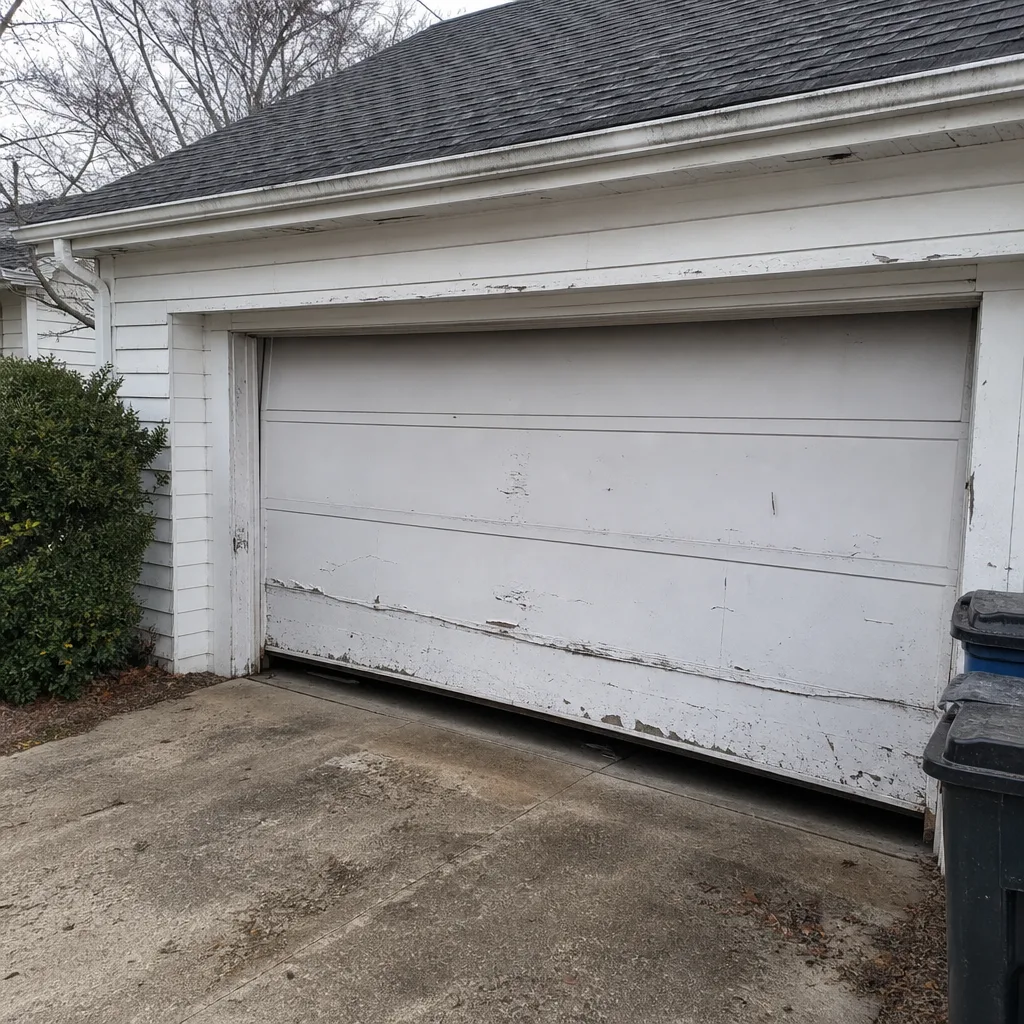 Before
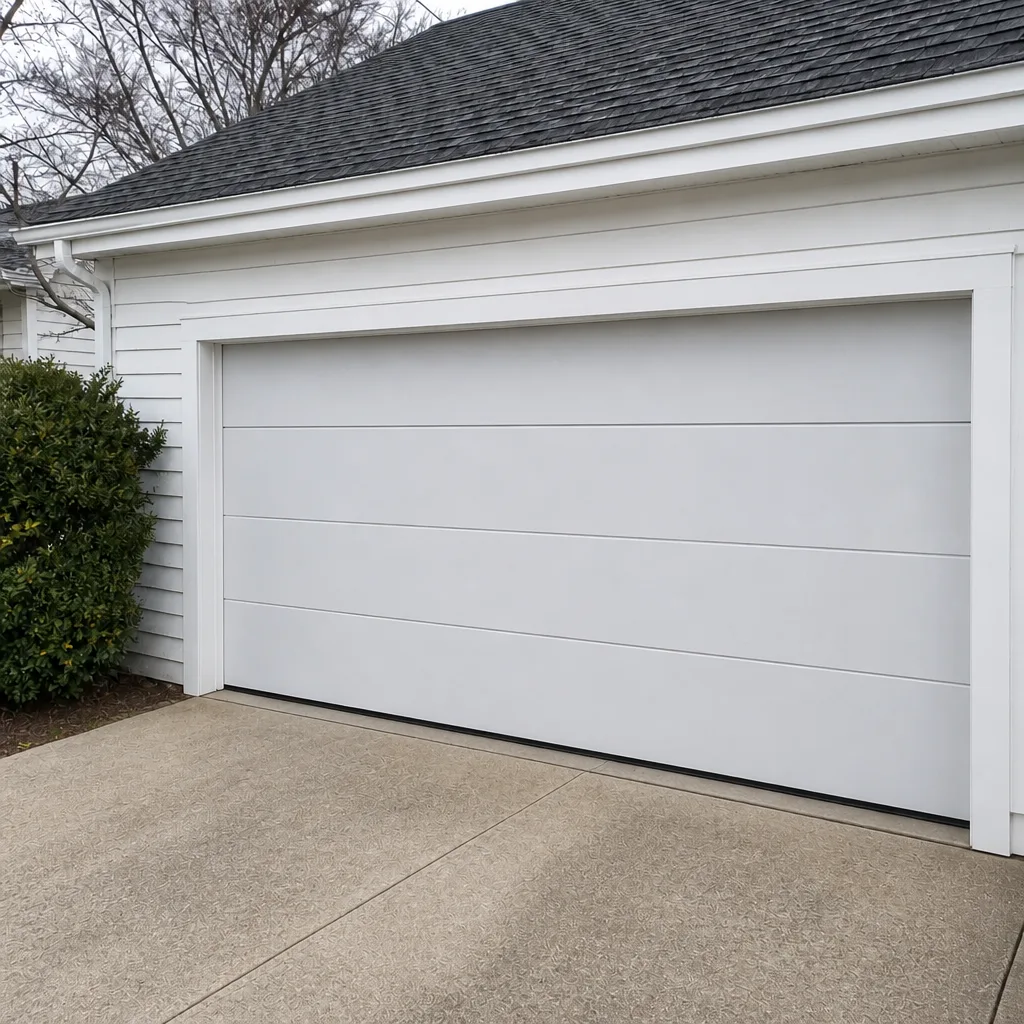 After
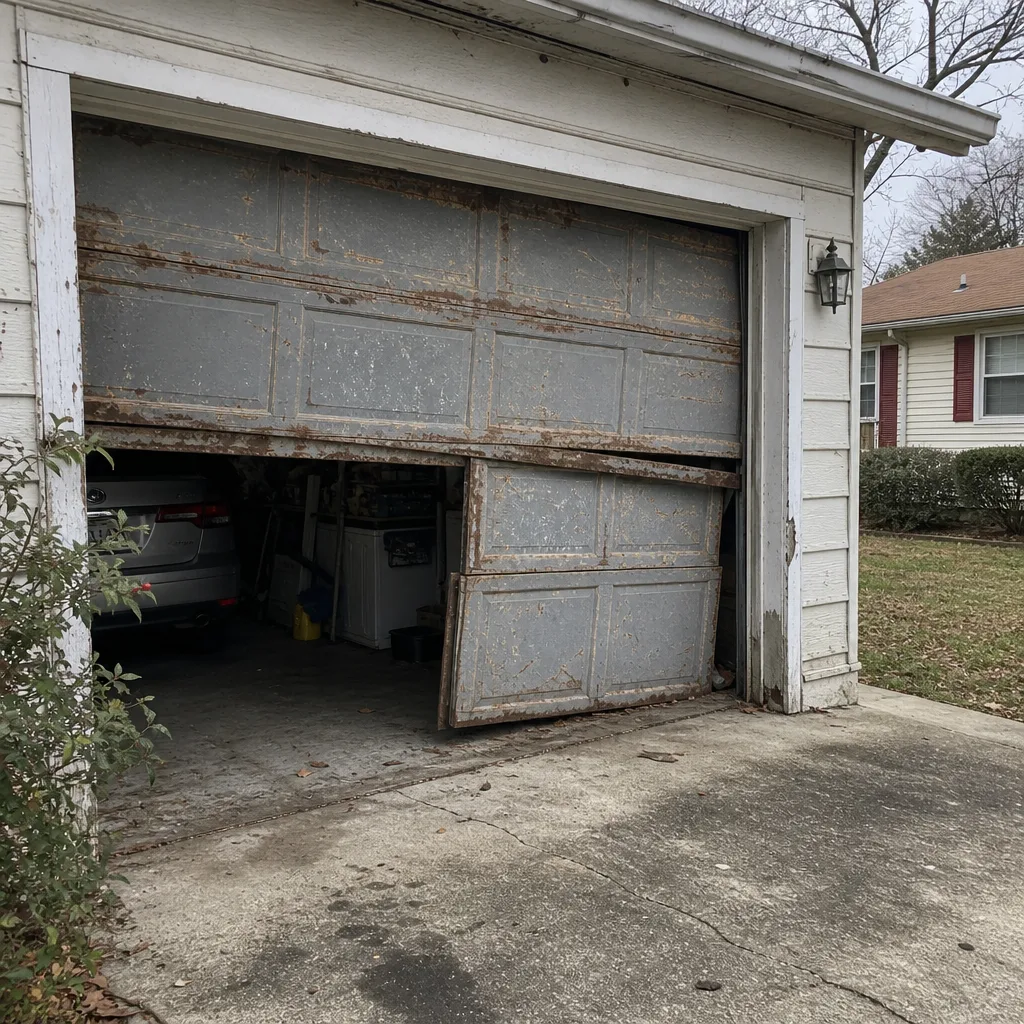 Before
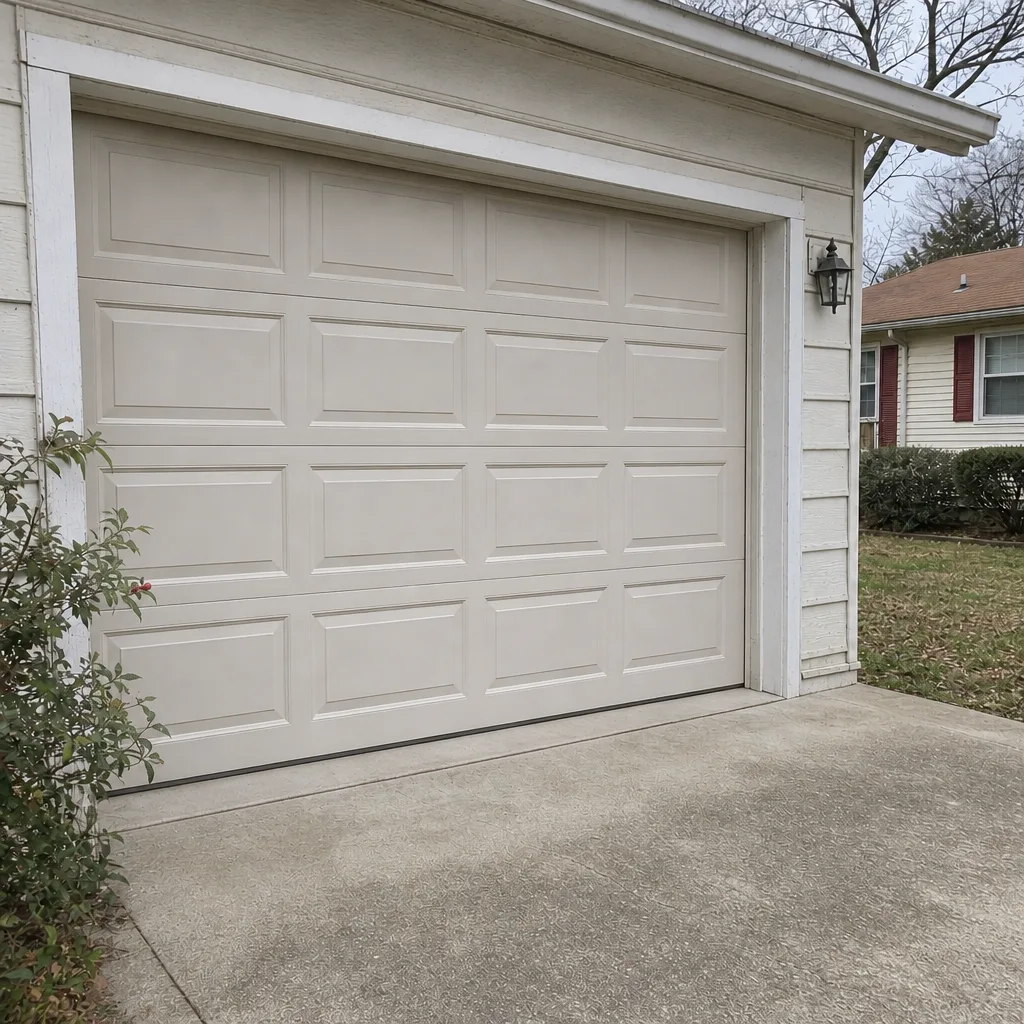 After
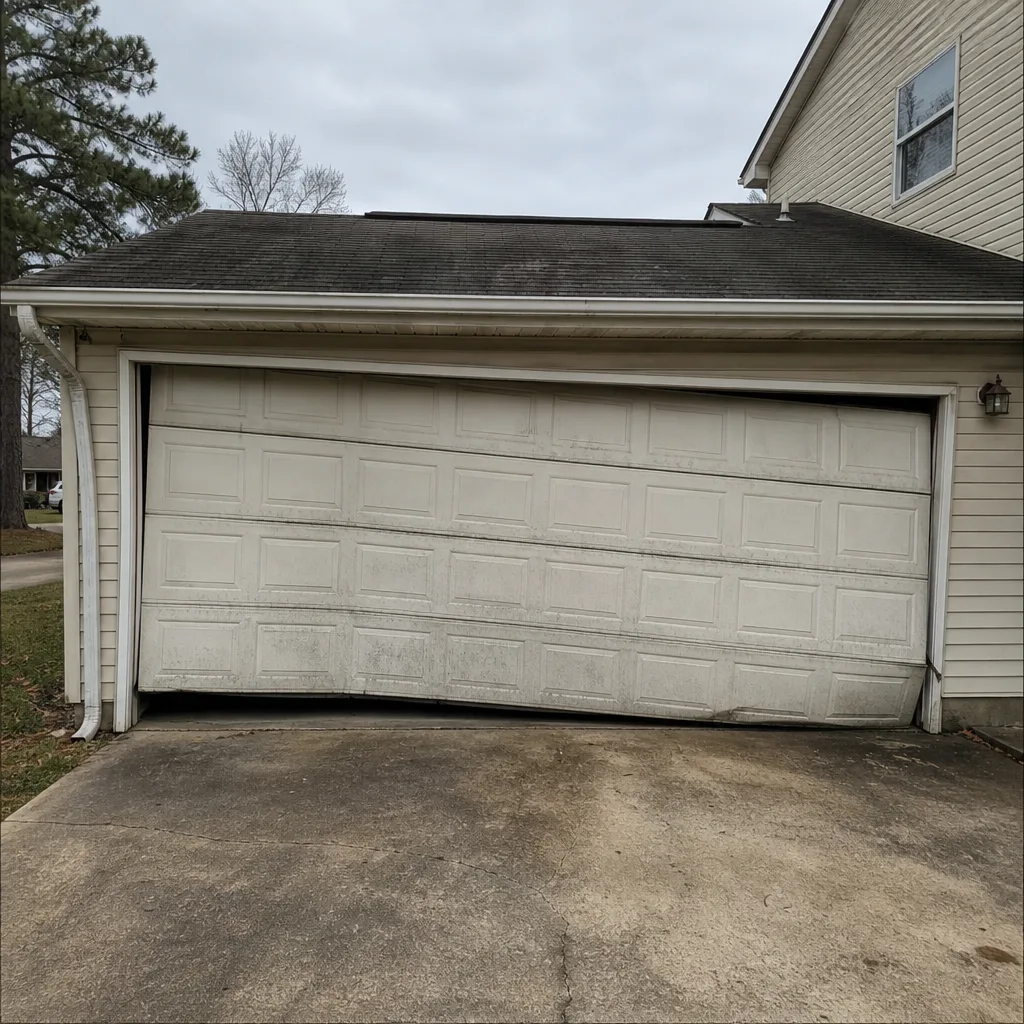 Before
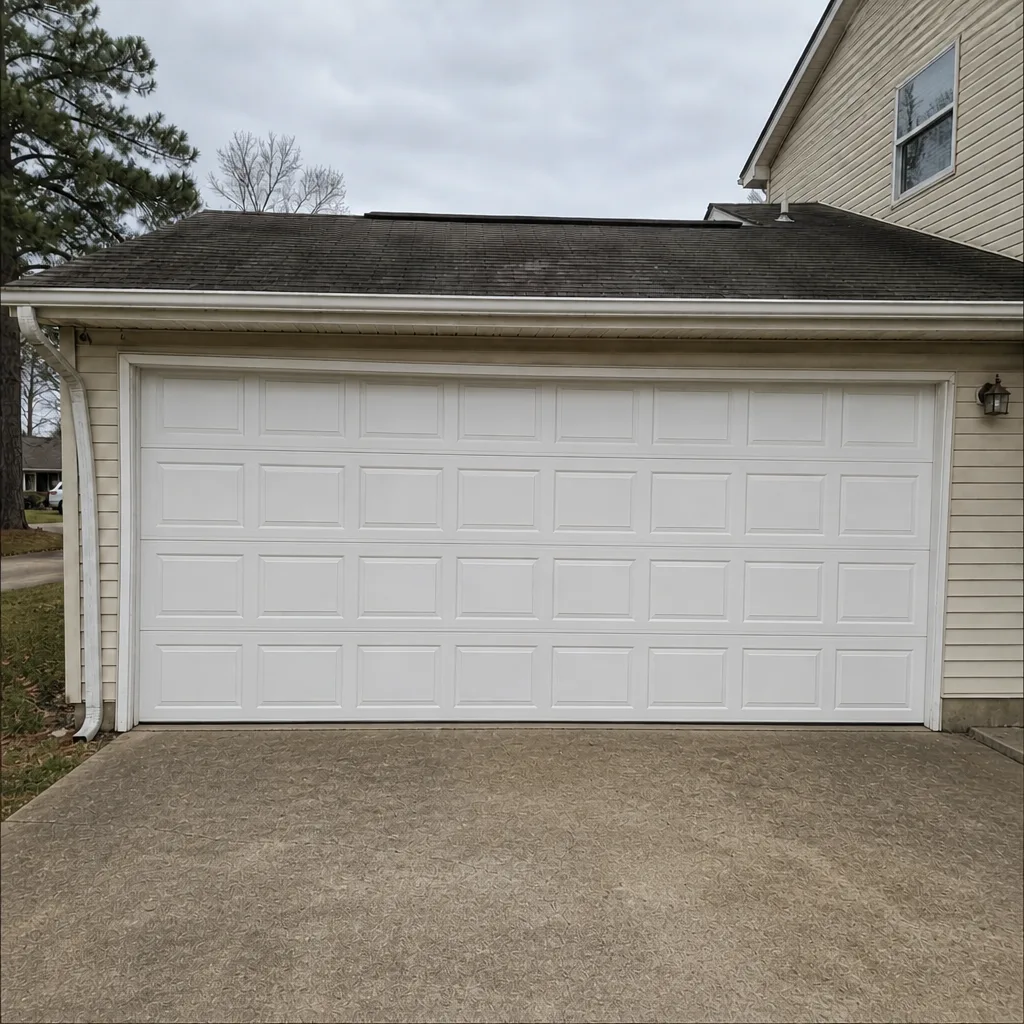 After
Frequently Asked Questions
Often not for a straight like-for-like replacement at the same dimensions and rating, but the determination depends on the specific scope. If you’re changing size, touching the framing or header, or installing a door with a different wind rating, a permit is typically required. Call Chesapeake’s Development and Permits office with the door’s specs before you order, and call us at (877) 419-7485 if you want help reading the scope. Estimates are free.
The fee is based on the project valuation for your specific scope, so the only reliable number comes from the Development and Permits office when your application is filed. Ask them for the fee for a residential garage door replacement when you call about the scope determination. The installation cost itself is separate, and we set that per job by the written estimate. Call (877) 419-7485 for an exact quote on the door work; estimates are free.
The Virginia Uniform Statewide Building Code governs this, specifically the permit provisions in Chapter 1 and the building planning provisions in Chapter 3, which includes design pressure and wind rating requirements. The relevant sections cover anchorage to framing, the door’s design pressure label, and preservation of rated assemblies. Your local building official applies them to your specific address, which is why the scope conversation happens locally.
It can stall the transaction and, in some cases, kill the deal. A permit history search during the sale process flags unpermitted work, and the buyer’s lender or agent usually requires it to be resolved with a retroactive permit and inspection. That inspection can require exposing framing or pulling the door, which adds time and cost. The permit itself is a small part of the project; the retroactive process isn’t. Call (877) 419-7485 and we’ll walk through whether your door history is likely to be an issue.
Yes, and in many cases the HOA standard is stricter than the city’s. Architectural review committees in these communities often review door color, panel style, window configuration, and streetscape consistency, and some require approval before ordering the door. City code and HOA review run in parallel, not in sequence, so both need to be handled before install day. We work on the brand already on your garage and can help you read the architectural form so the submission has the best chance of a first-pass approval.
The inspector issues a correction order, and the fix depends on what failed. Missing labels and documentation usually correct quickly; inadequate anchorage or closed-over framing changes require reopening the wall or pulling the door back off. The most common corrections are missing design pressure labels, anchor pull-out failures, and framing that was covered before inspection. Sequencing the install correctly is what prevents all three. Call (877) 419-7485 for a free estimate on a scope-correct install. We answer 24/7.
The Bottom Line
The Chesapeake permit question isn’t a technicality – it’s a title issue waiting to surface. A like-for-like replacement at the same dimensions and rating often proceeds without a permit, but any change to size, framing, or wind rating puts the job in permit scope, and that determination belongs to the city’s Development and Permits office, not to a guess. HOA architectural review in Greenbrier, Hickory, and Deep Creek runs alongside city code and sometimes exceeds it. The corrections that cause the most trouble are documentation and sequencing failures: missing labels, closed-over framing, and missing permits. Handle the scope first, pull the permit if it’s required, keep the framing inspectable, and the outcome stays clean. Do it in the wrong order, and the sale-time surprise becomes the expensive part.
Contact
We work on the brand already on your garage, from LiftMaster and Genie opener systems to Amarr, Wayne Dalton, Raynor, and Craftsman doors, and we cover the full scope from spring and cable work to full replacement. Call (877) 419-7485 for a free estimate. We answer 24/7. Fast dispatch from 7am to 7pm, Sunday through Friday. When your door won’t move, we will, and when the scope needs a permit, we’ll say so before the quote.
Written by the team at Chesapeake Garage Door Repair Experts.